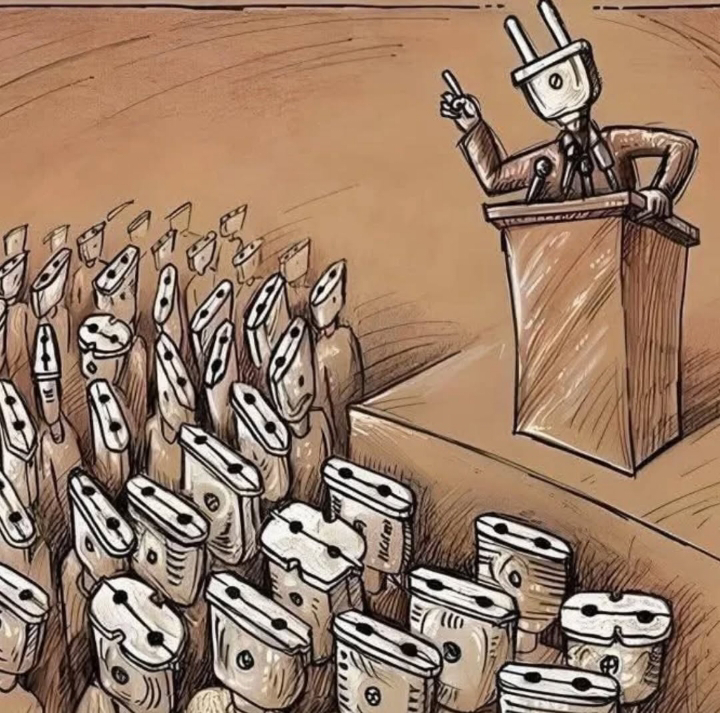
What's the Pygmalion effect doing for human

The Pygmalion effect is a psychological phenomenon where higher expectations placed on individuals lead to improved performance. It suggests that people tend to rise (or fall) to meet the expectations others have of them, especially in hierarchical relationships like teacher-student, manager-employee, or parent-child.

Key Points:
1. Origin: Named after the Greek myth of Pygmalion, a sculptor who fell in love with his statue (Galatea), which then came to life due to his belief and desire. The concept was popularized in psychology by Robert Rosenthal and Lenore Jacobson (1968) through a famous study in education.
   
2. Rosenthal-Jacobson Experiment:  
   - Teachers were told that certain randomly selected students were "late bloomers" with high potential.  
   - By the end of the year, those students showed significantly greater IQ gains, simply because teachers unconsciously treated them differently (e.g., offering more encouragement, challenging tasks, or positive feedback).

3. Mechanism:  
   - Expectations → Behavior: A leader's beliefs influence their actions (e.g., giving more attention or resources).  
   - Behavior → Performance: The recipient internalizes these expectations and adjusts their effort/self-belief.  
   - Reinforcement: Improved performance validates the initial expectations, creating a cycle.

4. Applications:  
   - Education: Teacher expectations impact student achievement.  
   - Workplace: Managers' beliefs about employees affect productivity.  
   - Self-Fulfilling Prophecy: The effect can be positive (high expectations → success) or negative (low expectations → poor outcomes).

5. Opposite Effect: The Golem effect describes how low expectations lead to worse performance.

Example:
A manager who believes a team member is highly capable may delegate more challenging tasks, provide support, and offer praise, leading the employee to excel. Conversely, low expectations may result in neglect and reduced morale.

The Pygmalion effect highlights the power of belief and perception in shaping reality, emphasizing the importance of fostering positive expectations in leadership and education.

Here are some real-world examples of the Pygmalion effect in action:  

1. Education: The "Late Bloomers" Study (Rosenthal & Jacobson, 1968)  
   - **What happened**: Researchers told elementary school teachers that certain randomly selected students were "intellectual bloomers" destined for rapid academic growth.  
   - Result: By the end of the year, these students showed significantly higher IQ gains compared to their peers—simply because teachers unconsciously gave them more attention, encouragement, and challenging material.  

2. Workplace: Manager Expectations & Employee Performance 
   - Example: A tech company manager believes a new hire is a "high-potential" employee (even if they’re average). The manager assigns them key projects, provides mentorship, and gives constructive feedback.  
   - Result: The employee gains confidence, works harder, and eventually performs at a higher level—validating the manager’s initial belief.  

3. Military: The Israeli Defense Forces Experiment 
   - What happened: Trainees randomly labeled as "high-potential" by commanders (without actual merit) performed better in drills and leadership tasks.  
   - Why? Instructors gave them more responsibility, support, and trust, which boosted their skills.  

4. Sports: Coaches & Athletes 
   - Example: A soccer coach tells a player, "You have the talent to be a star," and gives them extra training and playtime.  
   - Result: The athlete trains harder, gains confidence, and outperforms peers who weren’t given the same belief.  

5. Self-Fulfilling Prophecy in Parenting 
   - Scenario: A parent constantly tells their child, "You’re great at math!" and encourages problem-solving.  
   - Outcome: The child internalizes this belief, enjoys math more, and excels—even if they initially struggled.  

Negative Example (Golem Effect):  
   - A teacher assumes a student is "slow" and avoids calling on them. The student disengages, stops trying, and falls behind—confirming the low expectation.  

Key Takeaway:  
The Pygmalion effect shows that belief shapes reality. High expectations + supportive actions often lead to improved performance, whether in schools, workplaces, or personal growth. Leaders, teachers, and mentors can use this to inspire success—but must also avoid unfairly low expectations that hold people back.  

Success is going from failure to failure without losing the enthusiasm

   Hi all, today I would like to share about the interesting topic, namely "Success is going from failure to failure without losing the enthusiasm" , the main reason why I choose that topic because not everyone is ready to face failure, some people try to blame a mistake to others, condition or environment, some people get angry without knowing what to do the next, in order to anticipate the worst situation, we need to lessen the distraction from other people's life and maximize the idea to make the masterpiece, as I realized something unusual recently, many people want to succeed but they don't want to taste the pain of struggle, in fact it is requirement, remember this advice: success will not change human's future, success change human's habit, in order to change human's habit, human need to adapt with the failure and willing to leave something bad from their habit, when facing failure, the key is to learn, adapt, enthusiasm and keep moving forward. Here’s a practical approach:

1. Accept It – Acknowledge that failure is a normal part of growth. Don’t let it define you.

2. Analyze the Mistake – Understand what went wrong. Was it a lack of preparation, strategy, or external factors?

3. Learn from It – Identify lessons that can help you improve next time.

4. Adjust Your Approach – Change your strategy based on what you’ve learned.

5. Stay Positive – Maintain self-belief and avoid negative self-talk.

6. Seek Support – Talk to mentors, friends, or professionals who can offer advice and encouragement.

7. Take Action Again – Don’t let fear of failure hold you back. Try again with improved strategies.

Failure isn’t the end—it’s a stepping stone to success. The most successful people in the world have failed many times but kept pushing forward.
It's natural when people want to avoid failure, as it often comes with discomfort, disappointment, and fear of judgment. However, failure is an inevitable part of life and growth. Instead of trying to avoid failure entirely (which is nearly impossible), the focus should be on minimizing risks, building resilience, and learning how to handle failure effectively when it happens. Here are some strategies to help navigate the fear of failure and reduce its impact:

1. Reframe Your Perspective on Failure
   - Failure as a Teacher: View failure as a learning opportunity rather than a reflection of your worth. Every mistake or setback provides valuable lessons.
   - Normalize Failure: Understand that everyone fails at some point, even the most successful people. It’s a universal experience, not a personal flaw.

2. Set Realistic Expectations
   - Break Goals into Smaller Steps: Large goals can feel overwhelming and increase the risk of failure. Break them into smaller, manageable tasks to build confidence and momentum.
   - Accept Imperfection: Strive for progress, not perfection. Perfectionism often leads to fear of failure and paralysis.

3. Prepare Thoroughly
   - Plan Ahead: Anticipate potential challenges and create contingency plans. Being prepared can reduce the likelihood of failure.
   - Develop Skills: Invest time in learning and practicing the skills needed to succeed in your endeavors.

4. Take Calculated Risks
   - Assess the Situation: Weigh the potential benefits and risks before taking action. Avoid reckless decisions, but don’t let fear stop you from taking necessary risks.
   - Start Small: Test your ideas or actions in low-stakes environments before committing fully.

5. Build Resilience
   - Strengthen Your Mindset: Cultivate a growth mindset by focusing on effort, learning, and improvement rather than fixed outcomes.
   - Practice Self-Compassion: Be kind to yourself when things don’t go as planned. Treat yourself with the same understanding you’d offer a friend.

6. Focus on What You Can Control
   - Let Go of External Factors: Recognize that some things are beyond your control, such as other people’s opinions or unexpected events.
   - Concentrate on Effort: Focus on doing your best rather than obsessing over the outcome.

 7. Seek Feedback and Support
   - Ask for Help: Consult mentors, peers, or experts who can provide guidance and help you avoid common pitfalls.
   - Learn from Others: Study how others have succeeded or failed in similar situations to gain insights.

8. Embrace a Growth-Oriented Approach
   - Celebrate Effort: Acknowledge the courage it takes to try, even if the outcome isn’t perfect.
   - Iterate and Improve: Use failures as feedback to refine your approach and try again.

9. Manage Fear of Judgment
   - Remember: Everyone Is Focused on Themselves: Most people are too busy with their own lives to dwell on your failures.
   - Surround Yourself with Supportive People: Build a network of people who encourage and uplift you, rather than criticize or judge.

10. Shift Your Focus from Failure to Growth
   - Ask Yourself: “What’s the worst that can happen?” Often, the consequences of failure are not as catastrophic as they seem.
   - Focus on the Journey: Enjoy the process of working toward your goals, rather than fixating solely on the outcome.

Final Thought:
While it’s natural to want to avoid failure, it’s important to recognize that failure is not the enemy—fear of failure is. By reframing failure as a natural part of growth, preparing thoroughly, and building resilience, you can reduce its impact and use it as a stepping stone toward success. Remember, the only true failure is giving up or not trying at all.

How is success measured by human capabilities


  Hi all, today I would like to share about the interesting topic, namely "How is success measured by human capabilities", the main reason why I choose that topic because not everyone is willing to know more about success, the cause why people are afraid to know more about success because they aren't ready to undergo the pain of struggle from the life pressure, We need to know that success can be measured if humans put all their energy and sacrifice their time to make the greatest contribution to this world, success is a subjective concept and can be interpreted differently by each individual. Human ability can indeed be one factor used to measure success, but it cannot be considered the only benchmark. Here are some important points to consider:

1. Definition of Success: Everyone has a different definition of success. For some, success may mean achieving career or financial goals, while for others, success may mean happiness, life balance, or social contribution.

2. Human Ability: Human abilities, such as skills, intelligence, and creativity, can indeed help someone achieve certain goals. However, success is also influenced by other factors such as opportunity, social support, and luck.

3. Process and Effort: Success is often more about the process and effort made than just the end result. People who are persistent and continue to learn from failure are often considered successful even though the results are not yet visible.

4. Life Balance: Success can also be measured by how well someone balances various aspects of life, such as family, health, and social relationships.

 5. Positive Impact: For many people, success is also measured by how much positive impact they have on others or society.

So, while human ability can be one indicator of success, it is important to consider other, more holistic and personal factors. True success is often a combination of personal achievement, happiness, and contribution to others.

Measuring human success cannot be done with one standard that is the same for everyone, because each individual has different goals and definitions of success. However, there are some common ways to measure it:

Personal Goal Achievement
Has a person achieved the goals they set for themselves, whether in their career, education, family, or other aspects?

Well-Being and Happiness
✅How happy and satisfied is a person with their life?
✅Do they feel emotionally and mentally at peace?

Impact on Others
✅How much does a person contribute to their family, community, or society?
✅Do they have a positive impact on others?

Financial Independence and Stability
✅Is a person able to meet their life needs without relying on others?
✅Do they have sufficient financial stability?

Personal Growth and Development
✅Is a person continuing to learn and grow personally and professionally?
✅Do they feel that they are becoming a better version of themselves than they were before?

Relationships and Social Connections
✅Does a person have healthy and meaningful relationships with family, friends, or partners? 
✅Are they surrounded by supportive and caring people?

Success is not just about material things or great achievements, but also about balance in life. What one person considers success, may be different for another. What matters most is whether a person feels satisfied with their own life journey.

Failure is a success in progress

  Hi all, today I would like to share about the interesting topic, namely "Failure is a success in progress" , the main reason why I choose that topic because not everyone is willing to accept failure even though it is temporary, not everlasting journey, in order to understand the failure, we need to lower our ego until we find the meaning of failure, if we want to pass from the pain of failure, we must accept it's existence without doubt, accepting failure is an essential part of personal growth and success. Here are some key reasons why we must embrace failure:

1. Failure is a Learning Opportunity
   - Failure teaches us valuable lessons that success cannot. It highlights areas where we need improvement and provides insights into what doesn’t work.
   - Example: Thomas Edison failed thousands of times before inventing the light bulb. Each failure brought him closer to success.

2. Builds Resilience and Strength
   - Overcoming failure builds mental and emotional resilience. It prepares us to handle future challenges with greater confidence and adaptability.
   - Example: Athletes often face setbacks but use them to become stronger and more determined.

3. Encourages Innovation and Creativity
   - Failure pushes us to think outside the box and explore new approaches. It fosters creativity and innovation.
   - Example: Many groundbreaking inventions and discoveries were born from repeated failures.

4. Helps Us Appreciate Success
   - Without failure, success would not feel as rewarding. Failure provides contrast and makes achievements more meaningful.
   - Example: Struggling to achieve a goal makes the eventual success much sweeter.

5. Teaches Humility
   - Failure reminds us that we are not perfect and that mistakes are part of being human. It keeps us grounded and humble.
   - Example: Leaders who have experienced failure are often more empathetic and understanding.

 6. Opens New Doors
   - Sometimes, failure redirects us to better opportunities or paths we might not have considered otherwise.
   - Example: Losing a job might lead to discovering a more fulfilling career.

7. Develops Problem-Solving Skills
   - Failure forces us to analyze what went wrong and come up with solutions. This strengthens our critical thinking and problem-solving abilities.
   - Example: Scientists often learn more from failed experiments than successful ones.

8. Builds Character
   - How we handle failure defines our character. Accepting failure with grace and determination shows maturity and strength.
   - Example: Many successful people credit their failures for shaping their character and work ethic.

9. Reduces Fear of Failure
   - Accepting failure helps us overcome the fear of it. When we realize failure is not the end, we become more willing to take risks and pursue our goals.
   - Example: Entrepreneurs often fail multiple times before achieving success, but they don’t let fear stop them.

10. Aligns with Growth Mindset
   - Accepting failure is a key part of having a growth mindset—the belief that abilities and intelligence can be developed through effort and learning.
   - Example: Students who embrace failure as part of learning tend to perform better academically.

Failure is not the opposite of success; it is a steppingstone toward it. By accepting failure, we unlock the potential to grow, learn, and ultimately achieve our goals. As the saying goes, "Failure is simply the opportunity to begin again, this time more intelligently." – Henry Ford. 

Money is a success generator

   Hi all, today I would like to share about the interesting topic, namely "Money is a success generator", the main reason why I choose that topic because not everyone is willing to pay the price for getting a lot of money, we need to know that not all academic intelligence is a benchmark for earning a lot of money, in order to get a reward in the form of money, humans need to exchange their time, energy, knowledge, experience and sweat to get money, that's the law, if we don't apply that law into reality, we indirectly break the law, the phrase "Success is a money generator" suggests that success leads to financial gain or that being successful naturally results in generating money. It implies that when someone achieves success—whether in business, career, or other endeavors—it often brings financial rewards.

However, the meaning can vary based on context:
✅Business Perspective: A successful business generates profit.
✅Personal Success: Achieving goals can lead to financial stability.
✅Critique of Materialism: Some may argue that true success isn't just about money.

People often have to "pay" or sacrifice various things to get money. Here are some "prices" that people generally pay in the process of exchanging what they have (such as time, energy, skills, or resources) for money:

1. Time
- Time is the most valuable and non-renewable resource. People spend their time working, studying, or doing business to make money.
- Example: Working 8-12 hours a day, overtime, or spending years on education and training.

2. Energy and Health
- Many jobs require great physical or mental energy. Sometimes, this can be detrimental to health, both physical and mental.
- Example: Heavy physical work, stress at work, or lack of time for rest and exercise.

3. Freedom and Independence
- Working often means following rules, schedules, and demands from others (such as superiors or clients). This can reduce personal freedom.
- Example: Having to work certain hours, following company regulations, or adjusting to work culture.

 4. Social Relationships
- Chasing money often sacrifices time that could be spent with family, friends, or community.
- Examples: Missing family events, lack of time to socialize, or conflict in relationships due to focus on work.

5. Passion and Personal Interests
- Sometimes, people have to sacrifice their passions or hobbies to do work that makes more money.
- Examples: Working in a field you don't like just because of the higher salary, or not having time to pursue hobbies.

6. Financial Risks
- Some people take financial risks, such as borrowing money to start a business or invest, which can result in major losses.
- Examples: Losing savings, getting into debt, or going bankrupt.

 7. Ethics and Integrity
- In some cases, people may feel pressured to do things that go against their own values for money, but by showing ethics and integrity, it will trigger a new money conversion
- Example: people create high-value content as a personal brand

8. Peace of Mind
- Chasing money often causes stress, anxiety, and pressure, especially if there are demands to meet life's needs or achieve financial targets, to get peace in life, humans must be able to divide the role between human limitations in solving a problem and God's ability to realize what humans want
- Example: salary or income after working for years

9. Creativity and Happiness
- Sometimes, jobs that make money are not always creatively or emotionally satisfying. People may feel trapped in a boring routine, by giving creativity to a job, humans become more aware of their own worth
- Example: Working in a music performance

10. Personal Resources
- Some people have to sacrifice their personal resources, such as property, savings, or other assets, to make money. - Example: Selling valuables, using savings for business capital, or investing money in risky projects.

Conclusion
Humans pay various "prices" to get money, ranging from time, energy, health, to happiness and social relationships. It is important to find a balance between making money and maintaining quality of life, because money is not everything. Happiness, health, and good relationships are also important aspects of life that should not be ignored.