What's a Business idea mission statement

      Today I want to share an interesting topic, namely "What's a Business idea mission statement", the reason I chose this topic is because many people think that they cannot find a business model or find a statement for a business idea, 
Business ideas can come from various sources, such as:
 1. Personal experience: Sometimes a business idea arises from a personally experienced need or problem, and you are looking for a solution to it.
 2. Market observation: Observing market trends, consumer needs, or gaps in a particular market can give rise to business ideas.
 3. Hobbies or interests: Business can also start from a hobby or interest that is turned into a business opportunity.
 4. Collaboration or discussion: Discussing with other people, collaborating in teams, or even reading books and articles can spark new ideas.
 5. Research and experimentation: Doing research on a particular field or trying experiments can help discover untapped business opportunities.
 6. Inspiration from the success of other businesses: Seeing the success of other businesses and trying to find gaps or innovations in them can be a source of inspiration.

 These are just a few examples, but business ideas can come from anywhere with creativity and an open mind, The most important thing is that someone continues to evaluate what he is doing even though his creativity can produce something, Ideas will continue to emerge if people don't stop honing their skills, to come up with a business idea statement, you can follow these steps:

 ✅Allocate Time for Brainstorming: Set aside specific time to think and jot down business ideas that come to your mind. This can be done alone or with other people who might become your business partners in the future.
 ✅Consider Your Interests: Start by thinking about the things that interest you. This will help narrow your choices to industries or fields that are more specific and relevant to you.
 ✅Identify Community Needs: Think about products or services that do not yet exist or are not yet optimal in society. What problems do people often face and how can you solve them.
✅ Observe Trends: Pay attention to emerging trends and think about how you can take advantage of them. Trends can provide opportunities for business ideas that many people are not aware of.
 ✅Consider Your Own Needs: Think about what you need and how you want to run your business. Do you want a business that can be run from home, shop, office, or virtually.
✅ Discussions with Experienced People: Discussing with people who already have business experience can provide new views and open up potential for collaboration.

 By following these steps, you can come up with innovative business ideas that suit market needs and your personal interests, hopefully this article can provide insight and inspiration, good luck.

Does ideal image work in reality? The fact tells

    Today I want to share an interesting topic, namely "Does ideal image work in reality?" The main reason why I chose this topic is because many people lose self-confidence when their idealism starts to be put to work, The ideal image often communicates a clear message or evokes a strong emotion, is visually appealing, well-composed, and relevant to its context or purpose. It should effectively capture attention and convey the intended information or feeling at a glance, The ideal image in philosophy can vary depending on the philosophical perspective. Generally, it refers to a conceptual or theoretical representation of perfection, truth, or ultimate reality, often pursued through reasoning, contemplation, or reflection. In psychology, the ideal image often refers to an individual's mental representation of their perfect or ideal self, which can influence their thoughts, feelings, and behaviors. It can be shaped by personal aspirations, societal norms, and cultural influences.

To enhance their self-image, individuals can engage in various strategies:
1. Positive self-talk: Replace negative thoughts with positive affirmations and constructive self-talk.
2. Set achievable goals: Set realistic and attainable goals to build a sense of accomplishment and self-confidence.
3. Practice self-compassion: Treat oneself with kindness and understanding, especially during challenging times.
4. Develop strengths: Identify and cultivate personal strengths and talents to foster a sense of competence and self-worth.
5. Surround oneself with positivity: Surround oneself with supportive and uplifting people who encourage personal growth and development.
6. Seek feedback: Request feedback from trusted individuals to gain insight into strengths and areas for improvement.
7. Take care of oneself: Prioritize self-care activities such as exercise, healthy eating, and adequate rest to promote physical and mental well-being.
8. Challenge negative beliefs: Challenge and reframe negative beliefs and self-limiting beliefs that hinder self-esteem and self-image.
9. Engage in hobbies and interests: Pursue activities and interests that bring joy and fulfillment, contributing to a sense of purpose and identity.
10. Seek professional help: Consider seeking support from a therapist or counselor to explore and address underlying issues impacting self-image.
Human idealism often works through a combination of cognitive processes, emotional motivations, and social influences:

1. Cognitive processes: Humans have the capacity for abstract thinking and imagination, allowing them to conceive of idealized concepts, goals, and outcomes. This cognitive ability enables individuals to envision possibilities beyond immediate reality and strive towards their ideals.
2. Emotional motivations: Idealism is often fueled by emotions such as hope, aspiration, and desire for improvement. Positive emotions associated with pursuing idealistic goals can provide the motivation and drive needed to overcome obstacles and persist in the face of challenges.
3. Social influences: Cultural norms, societal values, and interpersonal relationships play a significant role in shaping individual and collective ideals. Humans are social beings, and the shared ideals within a community or culture can reinforce and validate individual idealism, fostering a sense of belonging and purpose.
4. Belief systems: Personal beliefs and ideologies can strongly influence human idealism. Whether rooted in religion, philosophy, or personal values, belief systems provide a framework for understanding and pursuing ideals that align with one's worldview.
5. Adaptability: Human idealism is adaptable and can evolve over time in response to changing circumstances, experiences, and perspectives. Individuals may reassess and refine their ideals as they gain new insights and knowledge throughout life.

Overall, human idealism operates through a complex interplay of cognitive, emotional, and social factors, driving individuals to aspire towards higher standards, strive for improvement, and envision a better future, hopefully this article can provide inspiration and insight, good luck.

Observe the lifestyle of rich


  Today I want to share an interesting topic, namely "Observe the lifestyle of rich", the main reason why I choose this topic is because many people are starting to try how rich people live, I can understand why many people want to live rich because they don't want to feel what poor people feel, Changing the lifestyle like a rich person can involve several steps, such as:
 1. Education and Self-Development: Continuously learn and develop new skills to increase your self-worth.
 2. Financial Management: Create a budget, invest your money, and avoid unnecessary debt.
 3. Health and Fitness: Prioritize your physical and mental health with a healthy diet, exercise and adequate rest time.
 4. Network and Relationships: Build a strong network of people who can provide you with opportunities and support.
 5. Plans and Goals: Set short-term and long-term goals, then work diligently to achieve them.

Besides that, we can learn from the lifestyle of rich people, here are there are some points we can learn from the lifestyle of rich people, such as:
 1. Financial Management: Rich people tend to have strong financial discipline and wise investment strategies. Learning about how they manage and allocate their money can be an inspiration to improve your personal financial management.
 2. Plans and Goals: Rich people often have a clear vision of what they want in life and make organized plans to achieve it. Understanding how they set goals and achieve them can help you formulate a more effective plan for yourself.
 3. Approach to Risk: Rich people often have a higher risk tolerance in investment and business decisions. Learning how they understand, evaluate, and manage risk can help you make smarter decisions in your life and career.
 4. Networks and Relationships: Rich people often build strong networks and value mutually beneficial relationships. Learning how they build and maintain relationships can help you expand your own network and create new opportunities.
 5. Life Balance: Despite their focus on financial success, many wealthy people also prioritize life balance, including health, family, and free time. Learning how they achieve this balance can provide inspiration for developing a more fulfilling and sustainable lifestyle.

With the explanation above, hopefully you understand how to change our lifestyle like a rich person, hopefully this article can provide inspiration and insight, good luck.

What does happy return to us? The fact tells

      Today I want to share an interesting topic, namely "what does happy returns to us?", The main reason why I chose this topic is because not everyone can interpret their own happiness, in this world many people claim to be happy but instead they are deceived by their own happiness and become depressed, Please note that happiness cannot stand alone without being accompanied by the ability to solve problems, Happiness can bring back many positive things in a person's life. Some of the benefits associated with happiness are:
 - Better Physical and Mental Health: Happy people tend to have stronger immune systems and lower stress levels.
 - Stronger Relationships: Happiness can improve social relationships and strengthen bonds with others.
 - Improved Work Performance: Happiness is often associated with higher productivity at work.
 - Emotional Resilience: Happiness helps a person to be more resilient in facing difficulties.
 - Higher Life Satisfaction: Happiness brings feelings of contentment and worth, which improves the overall quality of life.

 In general, happiness can provide a positive boost to various aspects of life, from health to social interactions. Several factors that influence a person's happiness are:

 ✅Economic Conditions: Possessions and wealth can influence happiness because they enable the fulfillment of needs and desires.
✅Religion and Spirituality: Faith and religious life are often associated with greater happiness.
 ✅Age: The relationship between age and happiness varies, with some studies showing that happiness increases with age.
 ✅Health: Good physical and mental health are important factors for happiness.
 ✅Marital Status: Marriage and harmonious relationships can bring happiness.
 ✅Social Life: Positive social interactions and support from family and friends contribute to happiness.
 ✅Gratitude: An attitude of appreciation and gratitude for what you have can increase happiness.

 Overall, a person's happiness is influenced by a combination of internal factors, such as attitudes and outlook on life, as well as external factors, such as the environment and socio-economic conditions. Happiness is the result of complex interactions between various aspects of a person's life, Hopefully this article can provide benefits and inspiration, good luck.

What does happy mean? Psychology talks


      Today I want to share an interesting topic, namely "what does happy mean?", The main reason why I chose this topic is because not everyone finds the meaning of happiness useful, on average they cannot differentiate between pleasure and happiness, If we take a broader perspective, pleasure does not provide the intelligence to find solutions, whereas, happiness provides the ability to deal with problems,  In my opinion, happiness cannot be translated from just one point of view, but must be returned to the person who feels happy, From a parent's perspective, happy has a rich and deep meaning. Here are some aspects of happiness from a parent's perspective:

✅Moments with Children: Parents feel happy when they spend time with their children. This moment can involve various activities, such as playing, talking, or sharing stories. 
✅Emotional interactions with children are often the happiest moments with mothers, while with fathers there are more often moments of play and fun.
✅Child Success: Seeing children grow and develop, achieve goals, and overcome challenges is a source of joy for parents. When children succeed in their education, sports or hobbies, parents feel proud and happy.
✅Emotional Closeness: A strong emotional connection between parents and children is also an important factor. The togetherness, support and love given by parents to their children creates deep bonds and enriches happiness.
✅Role of Parents: Parents feel happy when they can fulfill their roles and responsibilities well. Seeing children grow well and become good individuals is an achievement that brings happiness.
✅Family Well-Being: Overall family well-being also influences parents' happiness. When family relationships are harmonious, basic needs are met, and the family environment is positive, parents feel happier.

 So, for parents, happiness is not only about personal satisfaction, but also about the success and happiness of their children and the overall well-being of the family. 

The meaning of happiness for wealthy individuals can be quite complex and multifaceted. While wealth can provide access to various external sources of happiness, such as luxury experiences, financial security, and the ability to help others, it’s not the sole determinant of happiness. Research suggests that for people with higher incomes, the correlation between meaning and happiness decreases. This implies that while they may experience happiness, it might not necessarily be tied to a sense of meaning or purpose.
Wealthy people may have greater access to happiness through external means, but this doesn’t guarantee a sense of fulfillment or purpose. In fact, some studies find that after reaching a certain level of income that ensures comfort and security, additional wealth has a diminishing return on overall happiness. This could be because happiness for wealthy individuals often involves factors beyond material wealth, such as personal relationships, health, and a sense of accomplishment.

Moreover, how wealthy people choose to spend their money can also impact their happiness. Spending on experiences, buying time (such as through outsourcing tasks), and investing in others can promote happiness more than merely accumulating more wealth.
In essence, while wealth can contribute to happiness by providing comfort and opportunities, it’s the personal values, choices, and meaningful connections that often define the true essence of happiness for wealthy individuals.

Why do i worry so much? Psychology explains

       Today I want to share an interesting topic "Why do I worry so much?", The main reason why I choose this topic. Many people have experienced unpleasant events in reality, People worry for various reasons, and understand these reasons can help us find ways to cope with and minimize unhelpful thoughts. Here are three key reasons why people tend to worry:
✅Natural Alarm System: Our bodies are designed to protect us, and when we sense a threat (real or perceived), a stress signal is sent to the brain. This can manifest as worrying. As humans, we’re natural problem-solvers, and our brains churn out possible solutions when we identify a problem. The more emotionally invested we are in a problem, the more we tend to worry. Worry often arises from the anticipation of a future negative event based on irrational thoughts like “What if something bad happens?” or "What if I can’t handle it?"
✅Fear of Losing Control: Worry often stems from a fear of something happening that we can’t control. Whether it’s responsibilities at work or life’s general chaos, we worry because we want to maintain some semblance of control. However, excessive worry can prevent us from truly living in the present
✅Caring Too Much: Anxious individuals may find it challenging to stop themselves from getting overly invested in worrisome thoughts. While having anxious people in our lives can help us stay vigilant, it’s essential to differentiate necessary worry from unnecessary worry. Sometimes, we care too much and overthink, leading to excessive worry

Remember, excessive worrying can take a toll on our mental and physical health. Learning to manage worrisome thoughts allows us to savor the present moment and live a happier, healthier life, Minimizing worry is essential for maintaining good mental health. Here are some strategies to help you cope with worry and reduce stress:

✅Practice Mindfulness and Meditation: Mindfulness techniques, such as meditation and deep breathing, can help you stay present and reduce anxiety. Regular practice can improve your ability to manage stress and worry.
✅Set Aside “Worry Time”: Allocate a specific time each day to address your worries. During this designated time, allow yourself to think about your concerns. Outside of this time, try to redirect your thoughts away from worry.
✅Share Your Fears: Talk to supportive friends or family members about your worries. Sometimes, expressing your concerns aloud can provide relief and perspective.
✅Focus on Gratitude: Shift your attention to what makes you grateful for. Cultivating gratitude can help counterbalance negative thoughts and reduce worry.
✅Keep an Emotions Journal: Write down your feelings and thoughts regularly. This practice can help you identify patterns, triggers, and irrational worries. It also provides an outlet for processing emotions.
✅Maintain a Regular Sleep Schedule: Lack of sleep can exacerbate worry and stress. Prioritize good sleep hygiene by sticking to consistent sleep and wake times.

Remember that everyone experiences worry, but excessive worry can impact your well-being. By implementing these strategies, you can regain control over your thoughts and reduce anxiety,  Hopefully this article can provide benefits, good luck,

What's the lifestyles of the rich? The fact tells

     Today I want to share an interesting topic, namely "What's the lifestyle of the rich",  The main reason why I chose this topic is because many people are curious about the lifestyle of rich people, besides that, there are many factors that the lower middle class do not know about the lifestyle of rich people, The lifestyle of rich people can come with its own set of challenges and risks. While it may offer privileges and opportunities, it can also involve intense scrutiny, security concerns, and the temptation to indulge excessively, which can lead to health or personal issues. Ultimately, it depends on how one manages their wealth and lifestyle choices. aspects of the lifestyle of wealthy individuals can be learned and imitated to some extent. This might include habits related to financial management, networking, career advancement, and personal development. However, it's important to remember that true wealth isn't just about material possessions, but also about relationships, health, and fulfillment. Simply imitating superficial aspects of wealth may not lead to genuine success and happiness.

From observing the lifestyles of wealthy individuals, you can learn several valuable habits and practices, such as:
1. Financial Management: Rich people often prioritize smart financial decisions, including budgeting, investing, and saving for the future.
2. Goal Setting: They tend to set ambitious yet achievable goals and work consistently towards them.
3. Networking: Wealthy individuals often excel at building and maintaining strong professional and social networks, which can open doors to opportunities.
4. Continuous Learning: Many rich people prioritize self-improvement through reading, attending seminars, and seeking mentorship.
5. Health and Wellness: Wealthy individuals often invest in their physical and mental well-being, maintaining healthy lifestyles and seeking out top-notch healthcare.
6. Work Ethic: They typically demonstrate a strong work ethic and are willing to put in the time and effort required to succeed in their endeavors.

By adopting these practices, one can potentially improve their financial situation and overall quality of life. However, it's essential to adapt these lessons to your own circumstances and values rather than blindly imitating others, I think this article has explained the lifestyle of rich people, but you need to remember that not all rich people's lifestyles are good to emulate, we should be careful about the lifestyle of rich people, everyone has a dark lifestyle that is not worth imitating, such as drinking, gambling, etc

What does it mean a lifestyle medicine? The fact tells

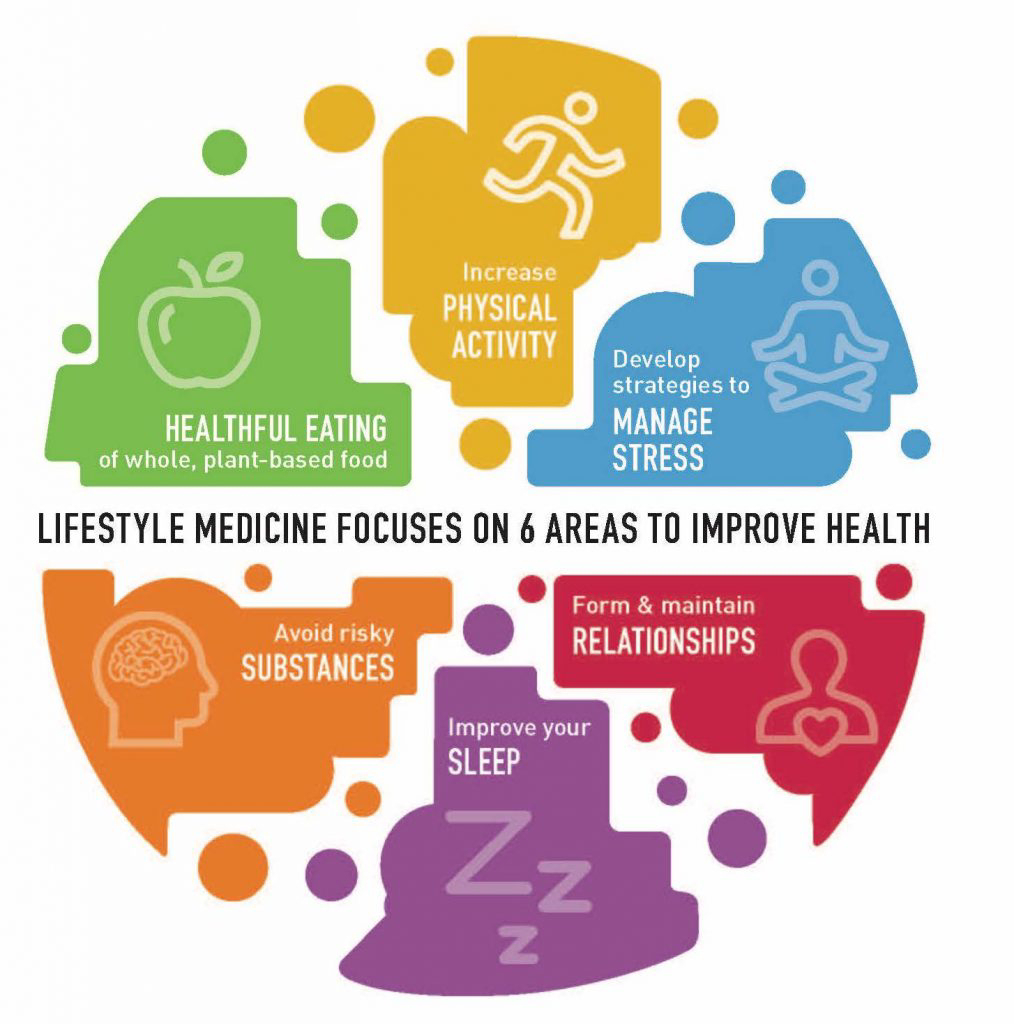
    Today I want to share an interesting topic, namely "what does it mean a lifestyle medicine"  the reason I chose this topic is because not many people realize that their lives are like drugs that have an addictive effect, but do not provide mental healing, The main reason why many people experience this because they often use a lifestyle that exhausts the mind, as we should know that lifestyle determines what we pursue and what we consider as values and identity, The factor that often determines lifestyle becoming a form of medicine is its impact on health outcomes. When lifestyle choices such as diet, exercise, stress management, and sleep patterns are optimized, they can prevent or manage various health conditions, sometimes even more effectively than medications. This approach is often referred to as lifestyle medicine.
People often turn to lifestyle medicine for several reasons:
1. Prevention: Adopting healthy lifestyle habits can prevent the onset of chronic diseases such as diabetes, heart disease, and obesity.
2. Management: Lifestyle changes can help manage existing health conditions, reducing the need for medications or minimizing their dosage.
3. Holistic Approach: Lifestyle medicine considers the whole person, addressing not just symptoms but also underlying causes and overall well-being.
4. Empowerment: By taking control of their health through lifestyle choices, people feel empowered and have a sense of ownership over their well-being.
5. Side Effects: Lifestyle interventions typically have fewer side effects compared to medications, making them attractive options for many.

Overall, the goal of lifestyle medicine is to promote optimal health and well-being through sustainable lifestyle changes, remember : life medicine doesn't require medication like a sick person. Lifestyle medicine focuses on using lifestyle interventions such as diet, exercise, stress management, and sleep rather than relying solely on medication. While some people may require medications for certain conditions, lifestyle medicine aims to reduce reliance on medication by addressing underlying lifestyle factors that contribute to health issues. However, in some cases, a combination of lifestyle changes and medication may be necessary for optimal health management, I think this article's explanation is sufficient, hopefully the article can provide inspiration and insight, good luck 

What's a healthy lifestyle? Psychology explains

    Today I want to share an interesting topic, namely "What's a healthy lifestyle?", The main reason why I chose this topic is because not everyone knows how to build a healthy lifestyle, Many people think that a healthy lifestyle starts with healthy food, this statement is not completely wrong, but we must remember that having a healthy mindset is the main foundation for how to organize a healthy lifestyle, we have to realize that building a healthy lifestyle doesn't have to be about the food or drinks we like, the first thing we can do before building a healthy lifestyle can be started from building a healthy mindset, building a healthy mindset requires awareness of your thoughts and emotions, practice in maintaining a positive perspective, and honing problem-solving skills, besides that, Listening to your thoughts attentively and replacing negative thoughts with positive ones can help create a healthier mindset, Keep in mind that we need exercise if we want to have a healthy lifestyle, an example of building a healthy mindset is practicing gratitude daily. This involves acknowledging and appreciating the positive aspects of your life, no matter how small they may seem. By focusing on what you're grateful for, you train your mind to see the good in situations, which can lead to increased happiness and resilience.
Examples of a healthy lifestyle include regular exercise, a balanced diet with lots of vegetables, fruit, and quality protein, getting enough sleep, managing stress in a positive way, and maintaining good social relationships, building a healthy lifestyle involves several tips:

1. Set realistic goals: Start with small, achievable goals and gradually build upon them.
2. Stay active: Incorporate regular exercise into your routine, aiming for at least 30 minutes most days of the week.
3. Eat a balanced diet: Focus on whole foods, including plenty of fruits, vegetables, lean proteins, and whole grains.
4. Prioritize sleep: Aim for 7-9 hours of quality sleep each night to support overall health and well-being.
5. Manage stress: Practice stress-reducing techniques such as mindfulness, meditation, deep breathing, or hobbies you enjoy.
6. Stay hydrated: Drink plenty of water throughout the day to maintain hydration and support bodily functions.
7. Limit alcohol and avoid smoking: Consume alcohol in moderation and avoid smoking to reduce the risk of health problems.
8. Stay connected: Cultivate meaningful relationships and social connections with friends, family, and community members.
9. Schedule regular check-ups: Visit healthcare providers for preventive screenings and to address any health concerns promptly.
10. Be patient and persistent: Building a healthy lifestyle takes time and effort, so be patient with yourself and stay committed to your goals.

  Hopefully this article can provide inspiration and insight, good luck.

The type of factors which forms of lifestyle


      Today I want to share an interesting topic, namely "The type of factor which forms of lifestyle", The main reason why I choose this topic because many people don't realize that the lifestyle they choose has made them into someone they no longer recognize, many people experience a dead end when the lifestyle they choose turns out to be preventing them from developing their lives, many people don't know whether their lifestyle is good or bad, What they think about is how they can join other people's lifestyles, there are several reasons why someone may not be aware of or recognize their lifestyle. This can include a lack of self-reflection, a lack of awareness of the impact of daily habits, or even resistance to change. Other factors may include habits that have become habits without realizing it or a lack of information about the importance of a healthy lifestyle.
Now there is a question, is it possible for humans to get problems from their own lifestyle? People can get in trouble from their lifestyle's choice if they engage in risky behaviors like substance abuse, excessive gambling, or criminal activities. Unhealthy habits such as poor diet and lack of exercise can also lead to health problems and trouble in the long run.
There are several factors that shape a person's lifestyle, including:

 1. Culture and Social Environment: Cultural norms and influences from the social environment can influence a person's lifestyle.
 2. Income and Employment: A person's income level and type of employment can influence the lifestyle choices available.
 3. Education and Knowledge: A person's level of education and knowledge can influence awareness of the importance of a healthy lifestyle and the decisions they make.
 4. Personal Values and Priorities: A person's personal values and life priorities can influence the lifestyle choices they make.
 5. Accessibility and Availability: The availability of resources such as places to exercise, healthy food, and recreational activities can influence a person's lifestyle.
 6. Genetics and Health: Genetic factors and health conditions can also influence a person's lifestyle, including predisposition to certain diseases and response to diet and physical activity.

  I want to remind you that not all lifestyles are quality, an unhealthy or destructive lifestyle can have a detrimental impact on a person's life.  For example, smoking, excessive alcohol consumption, or drug abuse can cause serious health problems, such as heart disease, cancer, or mental disorders, additionally, an unbalanced lifestyle, such as poor diet and lack of exercise, can lead to obesity, diabetes and other health problems.  Apart from health problems, an unhealthy lifestyle can also cause social, financial and emotional problems that can damage a person's quality of life, 

Certainly. Here is the English translation of the text:
Sure. Let us discuss in greater depth how lifestyle is formed according to modern psychology and Alfred Adler's theory.
 * Alfred Adler’s View: Lifestyle is not merely a way of living
In Alfred Adler’s theory, lifestyle or "style of life" carries a deeper meaning than:
the food we consume,
the clothes we wear,
hobbies,
work,
or how we spend our time.
According to Adler, lifestyle is:
A person's characteristic pattern of viewing themselves, others, and life.

In other words, two people can engage in the exact same activities yet possess different psychological lifestyles.
Example:
Two people both work hard.
Person A thinks:
 "I work hard because I want to grow and achieve my goals."
Meanwhile, Person B thinks:
"I must work hard, otherwise I am worthless."

Behaviorally, both appear equally diligent, but their psychological motivations differ.
 * How is lifestyle formed according to Adler?
Adler believed that an individual's lifestyle pattern begins to form in early childhood.
Simply put:
Childhood experiences
↓
The child's interpretation of those experiences
↓
Beliefs about oneself and the world
↓
Strategies for dealing with life
↓
Lifestyle
The crucial point is that it is not merely objective experiences that have an impact.
Rather:
How a child interprets those experiences.
For example, two children are both frequently criticized.
The first child might conclude:
"I must be perfect to be accepted."
 
The second child might conclude:
"There is no point in trying because I am always wrong."

Their initial experiences may be similar, but their psychological conclusions differ.
Consequently, their lifestyles in adulthood can develop quite differently.
 * Feelings of inferiority and lifestyle formation
One of Adler’s key concepts is the "inferiority feeling."
Every human being at some point has felt:
inadequate,
inferior,
not good enough,
falling behind others.
According to Adler, feelings of inferiority are not inherently bad.
In fact, the feeling:
 "I am not yet capable enough"

can drive someone to grow.
However, problems arise when a person develops unhealthy strategies to cope with that feeling.
For example:
Healthy strategy
> "I am not good at public speaking yet. I will learn."
> 
Outcome:
Feeling of inadequacy → effort → growth.
Unhealthy strategy
 "I am afraid of looking stupid, so I had better not speak."

Outcome:
Feeling of inadequacy → avoidance → stagnation.
If this pattern repeats continuously, it eventually becomes part of one's lifestyle.
 * Lifestyle as a survival strategy
From a psychological perspective, many habits can actually be understood as psychological strategies.
For example, someone who:
Always pleases others
Possible belief:
 "If others do not like me, I will be rejected."

Their lifestyle becomes:
People pleasing.
Always wants to control everything
Possible belief:
> "If I do not control the situation, something bad will happen."

Their lifestyle becomes:
Control-oriented lifestyle.
Frequently isolates themselves
Possible belief:
> "Connecting with others is too exhausting or dangerous."

What forms is a:
Withdrawal lifestyle.
Always pursues achievements
Possible belief:
> "My self-worth depends on my achievements."

What forms is an:
Achievement-oriented lifestyle.
This does not mean everyone exhibiting these behaviors holds the exact same experiences or beliefs. Psychology views these as hypotheses that need to be understood within an individual's unique context.
 * Modern psychology's view: Lifestyle is shaped by multiple systems
Modern psychology views lifestyle as the result of interactions between:

A. Personality
Personality provides foundational tendencies.
For example:
High Openness → likes trying new things.
High Conscientiousness → lives a more structured life.
High Extraversion → seeks social stimulation.
High Neuroticism → may be more sensitive to stress.
High Agreeableness → considers others more.
However, personality is not destiny.
Personality provides tendencies, not a prison.

B. Environment
The environment determines what is considered:
normal,
attractive,
safe,
successful,
embarrassing.
For example:
If someone is in an environment where people play online games every night, that behavior feels normal.
Conversely, if their environment routinely:
exercises,
reads,
engages in discussions,
builds businesses,
those activities more easily become part of their lifestyle.
Hence the simple psychological principle:
Humans often find it easier to change their environment than to force willpower every single day.

 * The reward system and dopamine
The human brain tends to maintain behaviors that provide:
✅pleasure,
✅relief,
✅recognition,
✅a sense of accomplishment.
For example:
Boredom
↓
Opens social media
↓
Gets entertainment
↓
Feels better
↓
Repeats the behavior

Over time, a habit is formed.
If that habit comes to occupy a major part of life, a lifestyle is formed.
However, there is something even more interesting:
Not all rewards are pleasures.
Sometimes a person repeats a behavior because they obtain:
Relief
Example:
Anxious → plays games → anxiety temporarily fades.

The brain learns:
 "Gaming makes me feel better."
As a result, that activity can become an emotional regulation strategy.
So someone might not play simply because they "enjoy gaming," but because the activity serves as a way to:
escape,
reduce stress,
alleviate loneliness,
avoid problems,
gain a sense of competence.
 * Lifestyle and identity
At a certain stage, habits can transform into identity.
Initially:
"I play games."
Then:
 "I am a gamer."
Initially:
"I like to read."
Then:
"I am a reader."

This is important because humans tend to maintain behaviors consistent with their identity.
Psychologically:
Behavior → Habit → Identity → Lifestyle
However, the process can also be reversed.
A person can start with a new identity:
> "I am a person who takes care of my health."

Then they begin to ask:
> "What does a health-conscious person usually do?"

Then behaviors emerge:
walking,
improving diet,
sleeping more regularly.
Gradually, a new lifestyle is formed.
 * Can a lifestyle be changed?
Yes.
According to psychology, lifestyle changes usually fail if a person only tries to alter surface-level behaviors.
For example:
> "Starting tomorrow, I won't play games."

But the more important question is:
> "What function does gaming serve in my life?"

Does gaming provide:
pleasure?
an escape from stress?
social connection?
a sense of competence?
structure to activities?
purpose?
If those psychological functions are not replaced, old habits often return.
 * A more realistic lifestyle change model
For example, someone wants to reduce online gaming.
Do not simply do:
> Gaming → stop
Instead:
> Function of gaming → find healthy alternatives with the same function.

 * The most important psychological conclusion
If we combine Adler and modern psychology, lifestyle can be understood as:
> "Lifestyle is a pattern of behavior and psychological strategies through which a person seeks safety, belonging, competence, pleasure, meaning, and identity."

Therefore, when trying to understand someone's lifestyle, do not merely ask:
"What do they do?"

But also:
"Why is that activity important to them?"

And an even deeper question:
 "What psychological needs are they fulfilling through that lifestyle?"

That is one of the most useful ways to understand someone from a psychological perspective.


What's the Case study lifestyle branding


      Today I want to share an interesting topic to you, namely "What's the case study lifestyle branding", the main reason I choose this topic because many people are afraid of missing out on trends, if we investigate further, Lots of people are willing to try lots of expensive brands just to show their social class, even though in reality other people don't care about it, based on psychological research: Many people are attracted to brands because they are often symbols of status, quality, and a certain lifestyle. Brand selection can reflect personal preferences and the values a person wishes to represent, Basically, living with the prestige of a brand will increasingly separate the distance between big people and small people.
There are several reasons why someone chooses a brand as part of their lifestyle:

 1. Social status: Certain brands are often associated with social status or wealth, and choosing such brands can be a way for someone to demonstrate their status or success to others.
 2. Quality and reputation: Some brands are known for high quality products or a good reputation, so choosing such a brand can be a way for someone to guarantee the quality or performance of the products they use.
 3. Identity and self-expression: Choosing a particular brand can be a way for someone to express their identity or the values they consider important. The brand may reflect a particular lifestyle, interests or beliefs.
 4. Associations with famous figures or icons: Some brands have associations with famous figures or icons in certain industries or cultures. Choosing these brands can be a way for someone to feel connected to those characters or to emulate their lifestyle.
 5. Promised experience and lifestyle: Some brands offer not only a product, but also a certain experience or lifestyle. Choosing the brand can be a way for someone to experience or be part of the lifestyle promised by the brand.

  Having a brand as a lifestyle cannot guarantee someone's happiness directly. Happiness is a complex concept and is influenced by many factors, including interpersonal relationships, physical and mental health, personal accomplishments, and self-satisfaction. While choosing certain brands or owning luxury items may provide short-term satisfaction or make someone feel better about themselves, sustainable happiness cannot be achieved solely through the possession of material goods. True happiness is more often related to meaningful relationships, fulfillment of emotional and spiritual needs, and satisfying life experiences. Using a brand as part of a lifestyle can provide a certain level of pleasure or pride, but true happiness is usually based on deeper things and varies from individual to individual, Hopefully this article provides inspiration and insight, good luck.

What's the difference between rich and poor lifestyle

    Today I want to share an interesting topic, namely "What's the difference between rich and poor lifestyle",  the main reason why I choose this topic is because not everyone recognizes the lifestyle of rich people and poor people, Many people think that the lifestyle of rich people is better than the lifestyle of poor people,   I don't completely agree because there are some lifestyles of rich people that are not worth emulating, such as drinking, gambling, here are some difference between rich and poor lifestyle, the difference between a rich and poor lifestyle can be substantial. rich lifestyles often entail access to luxurious goods, services, and experiences, while poor lifestyles typically involve financial constraints, limited access to resources, and a focus on meeting basic needs. Rich lifestyles may include lavish homes, high-end vehicles, exotic vacations, fine dining, and exclusive leisure activities, while poor lifestyles may involve modest accommodations, public transportation, limited leisure activities, and budget-conscious spending on essentials. Economic status greatly influences lifestyle opportunities and choices, Despite poor people have financial constraints, people can find enjoyment in a poor lifestyle through various means:
1. Community and Relationships: Strong bonds with family and friends can provide emotional support and a sense of belonging, fostering enjoyment and fulfillment even in modest circumstances.
2. Simple Pleasures: Appreciating the little things in life, such as spending time outdoors, enjoying homemade meals, or engaging in hobbies that require minimal resources, can bring genuine joy.
3. Resilience and Creativity: People facing financial challenges often develop resilience and creativity in finding solutions to everyday problems, leading to a sense of accomplishment and satisfaction.
4. Shared Experiences: Shared experiences with others in similar circumstances can create solidarity and camaraderie, enhancing the enjoyment of life despite economic limitations.
5. Cultural Richness: Poorer communities often have rich cultural traditions, music, art, and festivities that provide opportunities for celebration and enjoyment without requiring significant financial investment.
6. Gratitude: Cultivating gratitude for what one has, rather than focusing on what is lacking, can lead to a more positive outlook on life and greater enjoyment of simple pleasures.

Overall, while a poor lifestyle may lack material wealth, it can still be filled with meaningful connections, experiences, and moments of joy, I hope this article gives you an inspiration and insight, good luck.

What is life definition? Psychology talks


    Today I want to share an interesting topic namely "what is life definition?" The main reason why I choose that topic is because many people are curious about it, In philosophy, the meaning of life is a deeply complex. It often revolves concerning the purpose, significance, and ultimate value of human existence. Philosophers offer various perspectives, ranging from existentialism's emphasis on individual choice and responsibility to religious views that propose divine purpose or cosmic significance. Ultimately, the meaning of life is subjective and can vary greatly from person to person, In psychology, the meaning of life is often approached from the perspective of well-being, fulfillment, and purpose. Psychologists explore how individuals find meaning and satisfaction in their lives, the factors that contribute to a sense of purpose, and the impact of having a clear sense of meaning on mental health and overall well-being. Psychological theories and research often delve into topics such as intrinsic motivation, personal values, and existential fulfillment to understand how individuals construct and perceive the meaning of their lives, based on my perception, there is connection between life and discipline, life and discipline can indeed share similarities, as both involve structure, order, and guidance for optimal functioning. just as discipline provides a framework for achieving goals and maintaining balance, life often requires adherence to certain principles, routines, and values to navigate challenges and pursue growth. Both life and discipline's concepts emphasize the importance of consistency, self-control, and perseverance in overcoming obstacles and achieving desired outcomes.

Understanding life is a profound and ongoing journey that involves exploration, reflection, and learning. Here are some ways to deepen your understanding of life:

1. Self-reflection: Take time to contemplate your experiences, beliefs, and values. Reflecting on your thoughts, feelings, and actions can provide insights into your understanding of life.
2. Seek knowledge: Read books, articles, and philosophical works that explore the nature of existence, consciousness, and human experience. Engage with different perspectives and ideas to broaden your understanding.
3. Connect with others: Engage in meaningful conversations with friends, family, or mentors about their perspectives on life. Share your own thoughts and experiences, and be open to learning from others' insights and wisdom.
4. Experience new things: Embrace new experiences, challenges, and opportunities for growth. Whether it's traveling to unfamiliar places, trying new activities, or stepping outside your comfort zone, exposure to diverse experiences can enrich your understanding of life.
5. Practice mindfulness: Cultivate mindfulness through meditation, mindfulness exercises, or simply by being fully present in each moment. Mindfulness can deepen your awareness of the present moment and help you appreciate the richness of life's experiences.
6. Reflect to nature: Spend time in nature and observe the beauty, interconnectedness, and cycles of life. Nature can offer profound lessons about impermanence, resilience, and the wonders of existence.
7. Embrace curiosity: Approach life with a sense of curiosity and wonder. Ask questions, explore mysteries, and seek answers to deepen your understanding of the complexities and mysteries of life.

Remember that understanding life is a lifelong journey, and it's okay to embrace uncertainty and ambiguity along the way. The quest for understanding can be as rewarding as the destination itself, To know the meaning of life, a person needs a fusion of character between himself and nature, Letting go of the ego is a way of understanding life, hopefully this article provides benefits, inspiration and insight, good luck.

What's the circle of life meaning? Psychology talks

   Today I want to share an interesting topic, namely "What's the circle of life meaning?" The main reason why I chose this topic is because not many people want to learn it, the "life of circle" could refer to the idea that life, like a circle, is continuous and cyclical. It suggests that events and experiences repeat themselves, and there's a sense of continuity or interconnectedness in life's journey. It's a philosophical concept that explores themes of recurrence, cycles, and the interconnectedness of all things, The concept of the "life of a circle" can be interpreted in several ways:

1. Cyclical Nature: Life, like a circle, is often seen as cyclical rather than linear. Just as the seasons repeat in a cycle, life often involves the repetition of events, patterns, and experiences. This cyclical nature can be observed in various aspects of life, including personal growth, societal trends, and historical patterns.
2. Interconnectedness: The idea of a circle also symbolizes interconnectedness and unity. In life, events and experiences are interconnected, influencing each other in complex ways. Just as every point on the circumference of a circle is equidistant from the center, every aspect of life is connected and affects the whole.
3. Completion and Wholeness: A circle represents completeness and wholeness. In the context of life, it suggests that each stage or cycle contributes to the overall journey and development of an individual or a society. Even though life may involve ups and downs, challenges, and successes, each experience contributes to the completeness of one's journey.
4. Eternal Recurrence: Some philosophical interpretations, influenced by thinkers like Friedrich Nietzsche, suggest the idea of eternal recurrence. This concept proposes that life repeats itself infinitely, with every event recurring in exactly the same way. In this view, the "life of a circle" represents the eternal repetition of existence.

Overall, the "life of a circle" embodies themes of cyclical nature, interconnectedness, completion, and the eternal recurrence of existence. It's a philosophical concept that invites contemplation on the patterns and rhythms of life and the interconnectedness of all things, Contemplation can certainly deepen our understanding of the circle of life. By reflecting on the cyclical nature of existence, the interconnectedness of events, and the patterns of recurrence, we can gain insight into the broader rhythms of life, to understand life of circle, we need some times to contemplation, the reason is contemplation allows us to ponder the significance of our experiences, the lessons learned from past cycles, and the potential trajectories of future cycles. It encourages us to explore philosophical questions about meaning, purpose, and the interconnectedness of all things. While contemplation is not strictly necessary to grasp the concept of the circle of life, it can enrich our understanding and provide a deeper appreciation for the complexities of existence, hopefully this article can provide insight and inspiration, good luck.

What's the tree of life meaning? Psychology talks

      Today I want to share an interesting topic, namely the "What's the tree of life meaning?" The main reason I chose this topic is because not everyone wants to try to find out about the tree of life meaning, Besides that, Many complications will occur when humans try to dissect a truth, Basically, not everyone likes the truth because most of the truth hurts human pleasure, if we take the meaning of the tree of life, the tree of life is a symbol found in various cultures and spiritual traditions, It represents interconnectedness, growth, and the unity of all life forms. It's often depicted as a tree with branches reaching into the sky and roots deep into the earth, symbolizing the connection between heaven, earth, and the underworld. In essence, it embodies the idea that all living things are interconnected and share a common ancestry, we need to know that not everyone understands the concept of the tree of life, there could be various reasons why some humans may not have idealism about the tree of life. there could be various reasons why some humans may not have idealism about the tree of life. It could be due to cultural or religious beliefs that don't align with the symbolism of the tree of Life. additionally, some people might prioritize scientific explanations over symbolic interpretations. moreover, personal experiences and individual perspectives play a significant role in shaping beliefs and attitudes towards symbols like the tree of life.

Several factors can shape beliefs about the Tree of Life:
1. Cultural Background: Cultural upbringing and traditions heavily influence beliefs about the Tree of Life. Different cultures may have distinct interpretations and significance attached to this symbol.
2. Religious Teachings: Religious beliefs often incorporate the Tree of Life into their doctrines, offering specific interpretations and spiritual significance.
3. Personal Experiences: Individual encounters with nature, spiritual experiences, or personal reflection can shape one's belief in the symbolism of the Tree of Life.
4. Education and Knowledge: Understanding the historical, cultural, and symbolic contexts surrounding the Tree of Life through education can influence beliefs about its meaning.
5. Interpretation of Symbols: How individuals interpret symbols, such as trees, roots, branches, and interconnectedness, can vary based on personal perspectives and experiences.
6. Social Environment: Discussions with peers, exposure to diverse viewpoints, and societal norms can all contribute to shaping beliefs about the Tree of Life.

These factors intersect and interact in complex ways, ultimately shaping an individual's understanding and belief in the tree of life symbol, hopefully this article can provide insight and inspiration, good luck.

What's analytical mindset? The fact tells

     Today I want to share an interesting topic, namely "what is analytical mindset?"  The main reason I choose this topic is because many people too believe in the results of data analysis, but they don't consider reality as a meeting point, maybe someone asks why many people have more confidence in the results of data analysis because people have more faith in data analysis, Besides that, an analytical mindset has the ability to break down complex problems into smaller components, identify patterns, and draw logical conclusions based on data and evidence. in addition, making analysis mindset requires critical thinking, attention to detail, and a systematic approach to problem-solving, here are
several factors can contribute to someone having an analytical mindset:

1. Curiosity: Individuals who are naturally curious tend to ask questions and seek deeper understanding, fostering an analytical approach to problem-solving.
2. Education and Training: Formal education in fields such as mathematics, science, engineering, or logic can provide the foundational knowledge and skills necessary for analytical thinking.
3. Practice and Experience: Engaging in activities that require critical thinking, such as puzzles, logical games, or research projects, can sharpen analytical abilities over time.
4. Environment: Growing up in an environment that encourages questioning, experimentation, and independent thinking can nurture an analytical mindset from an early age.
5. Personality Traits: Certain personality traits, such as openness to new experiences, conscientiousness, and persistence, are associated with analytical thinking.
6. Problem-solving Skills: Individuals who have developed strong problem-solving skills, including the ability to approach problems methodically and consider multiple perspectives, are likely to have an analytical mindset.

Overall, a combination of innate traits, education, practice, and environmental influences can shape someone's analytical mindset, Even though many people believe in the results of data analysis, there are several types of people who don't believe in the mindset that makes a data analysis, at this time I want to clarify that not everyone believes in the results of data analysis, several factors can contribute to someone being skeptical or not easily believing in the results of data analysis:

1. Lack of Understanding: If someone doesn't have a good grasp of statistics, data analysis methods, or the context in which the analysis was conducted, they may struggle to interpret or trust the results.
2. Confirmation Bias: People tend to prefer information that confirms their existing beliefs or opinions. If the results of data analysis challenge their preconceptions, they may be more inclined to distrust them.
3. Misinterpretation of Data: Misleading visualizations, incomplete data sets, or flawed analysis techniques can lead to erroneous conclusions. Skepticism may arise if someone detects inconsistencies or errors in the data analysis process.
4. Trust Issues: Trust in the source of the data, the integrity of the analysts, or the transparency of the analysis process can influence someone's willingness to believe the results. Concerns about bias, manipulation, or hidden agendas may contribute to skepticism.
5. Complexity: Data analysis can be complex, involving sophisticated techniques and assumptions that may not be easily understandable to everyone. Complexity can create doubt or confusion about the validity of the results.
6. Alternative Explanations: Some individuals may prefer alternative explanations or theories that are not supported by the data analysis. They may discount or dismiss the results if they conflict with their preferred explanations.
7. Cultural or Ideological Factors: Beliefs, values, and cultural norms can shape how people perceive and interpret data. Individuals may be more skeptical of data analysis that contradicts their cultural or ideological worldview.
8. Past Experiences: Negative experiences with data analysis, such as encountering misleading statistics or being misled by false claims, can lead to general skepticism about the reliability of data analysis in general.

Addressing skepticism often requires clear communication, transparency, education about data analysis methods, and efforts to build trust in the data and the analysis process. Providing opportunities for dialogue, presenting evidence in multiple formats, and involving stakeholders in the analysis process can also help alleviate concerns and foster confidence in the results,   Hopefully this article can provide insight and inspiration, good luck.

What's academic mindset? People opinionated


     Today I want to share an interesting topic, namely "what's academic mindset" the main reason why I chose this topic is because many people worship academics as if their thoughts must conform to what school teaches, we need to know that academic mindset refers to the way a person thinks and processes information in the context of education and learning. this involves the ability to analyze, evaluate, and synthesize information, as well as the ability to develop coherent and rational arguments. an academic mindset also includes the ability to generate creative solutions to problems, as well as the ability to question, explore, and seek deep understanding of a variety of topics. Here are some examples of academic teachings that are commonly encountered:

 1. Philosophy: Understand the basic concepts of existence, knowledge, ethics, and values that underlie the human mind.
 2. Science: Understanding the basic principles of the universe, through scientific methods to discover, explain and predict natural phenomena.
 3. Social and Humanities: Study of humans, society, and culture, including history, language, literature, politics, and economics.
 4. Mathematics: The study of patterns, structure, space, and quantity, and their applications in various fields of science such as physics, engineering, and computer science.
 5. Art and Design: An understanding of creative expression, aesthetics, and techniques in the visual arts, performing arts, architecture, and graphic design.
 6. Technology and Engineering: Development and application of technology to solve problems and improve human life in various fields such as computers, electricity, machines and materials.
 7. Medicine and Health: Study of the human body, disease, treatment, and health promotion to improve the well-being of individuals and society.
 8. Education: Understand theory and practice in the learning and teaching process to develop individual potential.
 9. Law: Study the rules and regulations that govern human behavior, as well as the judicial system to uphold justice.
 10. Economics: Studies the production, distribution, and consumption of goods and services, as well as the factors that influence the economic behavior of individuals and society.

If we explore further, there are many people often take pride in having an academic mindset for several reasons:

1. Intellectual Growth: An academic mindset fosters continuous learning and intellectual growth, allowing individuals to expand their knowledge and understanding of various subjects.
2. Problem-Solving Skills: Academic-minded individuals develop strong analytical and critical thinking skills, enabling them to effectively solve complex problems and overcome challenges in both academic and real-world contexts.
3. Professional Success: A commitment to academic excellence often correlates with professional success. Individuals with an academic mindset tend to excel in their careers, as they possess the skills and knowledge necessary to innovate and adapt to changing environments.
4. Personal Fulfillment: Many people find fulfillment and satisfaction in pursuing academic goals and mastering new concepts. Achieving academic success can boost self-esteem and confidence, leading to a sense of personal accomplishment.
5. Contribution to Society: Individuals with an academic mindset often strive to make meaningful contributions to society. They may engage in research, education, or advocacy efforts aimed at addressing social issues and advancing human knowledge and progress.

Overall, having an academic mindset is viewed positively because it promotes lifelong learning, critical thinking, and personal and professional growth, all of which are highly valued in today's society, while having an academic mindset offers numerous benefits, it also has some potential weaknesses:

1. Narrow Focus: Individuals with a strong academic mindset may become overly focused on academic achievements, neglecting other aspects of life such as social relationships, personal well-being, and practical skills.
2. Risk of Perfectionism: Academic-minded individuals may feel pressure to constantly strive for perfection, leading to high levels of stress, anxiety, and burnout, especially in competitive academic environments.
3. Limited Practical Application: Some academic knowledge may have limited direct application in real-world situations. Without the ability to translate theoretical concepts into practical solutions, individuals may struggle to address everyday challenges effectively.
4. Resistance to Change: A rigid adherence to academic principles and methodologies may hinder innovation and creativity, as individuals may be resistant to alternative perspectives or unconventional approaches.
5. Dependence on External Validation: Academic success is often measured by external indicators such as grades, awards, and recognition. Relying too heavily on these external sources of validation can lead to a fragile sense of self-worth and identity.
6. Inflexibility: Academic-minded individuals may be less adaptable to change and less willing to consider ideas or viewpoints that challenge their existing beliefs or knowledge.
7. Lack of Practical Skills: While academic pursuits may emphasize theoretical knowledge and intellectual abilities, they may not necessarily develop practical skills that are valuable in everyday life or the workforce.

Overall, an academic mindset can be advantageous in many ways, as humans, we must give our souls free space 50% to accept reality because basically reality is the result of the manifestation of a guidance from God, If we learn to accept reality, then we will get direct guidance from God, hopefully this article can provide insight and inspiration, good luck.

What's a scarcity mindset? Psychology talks


       Today I want to share an interesting topic, namely "what is a scarcity mindset",  The main reason I choose this topic is because so many people experience a scarcity mindset, This problem does not happen once or twice, even many times, This incident generally occurs in a traditional pattern of society that really hates fast-paced modern civilization, a scarcity mindset is a belief system characterized by a persistent fear of not having enough resources, whether it be money, time, opportunities, or other valuable assets. Individuals with a scarcity mindset tend to focus on what they lack rather than what they have, often feeling a sense of insecurity, competition, and anxiety about their ability to meet their needs or achieve their goals. This mindset can lead to hoarding behavior, reluctance to take risks, and difficulty in appreciating or sharing resources with others. As far as I know, people who have a scarcity mindset because they are used to being trained in creating small minded or narrow mindset, there are some several factors can contribute to someone having a scarcity mindset, including:

1. Upbringing: Growing up in an environment where resources were limited can instill a belief that there will never be enough, leading to a scarcity mindset.
2. Cultural influences: Societal and cultural norms that emphasize competition, fear of loss, or a lack mentality can shape individuals' perspectives on abundance and scarcity.
3. Personal experiences: Past experiences of financial hardship, job insecurity, or not having enough can reinforce beliefs in scarcity and create a fear of not having adequate resources in the future.
4. Media and advertising: Constant exposure to messages that promote consumerism and portray scarcity (e.g., "limited time offer," "while supplies last") can perpetuate a scarcity mindset.
5. Comparison with others: Comparing oneself to others who seem to have more can reinforce feelings of scarcity and inadequacy.
6. Fear of failure: Fear of failure or loss can lead individuals to hoard resources and adopt a scarcity mindset as a means of self-protection.
7. Lack of confidence: Low self-esteem or feelings of inadequacy may contribute to a belief that one does not deserve abundance, reinforcing a scarcity mindset.

Besides that, there are internal factors that have not been detected, to avoid a scarcity mindset, you can try the following strategies:

1. Practice gratitude: Cultivate a mindset of abundance by regularly acknowledging and appreciating the resources, opportunities, and blessings you have in your life.
2. Focus on abundance: Shift your perspective from what you lack to what you have an abundance of, whether it's time, skills, relationships, or other resources.
3. Challenge limiting beliefs: Identify and challenge any negative beliefs or assumptions you have about scarcity and replace them with more empowering and positive perspectives.
4. Set realistic goals: Set achievable goals and take proactive steps to work towards them, rather than dwelling on fears of scarcity or failure.
5. Embrace abundance mentality: Adopt an abundance mindset, believing that there is more than enough to go around and that success and prosperity are not finite resources.
6. Practice generosity: Share your time, knowledge, and resources with others, as acts of generosity can reinforce feelings of abundance and interconnectedness.
7. Surround yourself with positivity: Surround yourself with people, books, and media that promote positivity, abundance, and growth, rather than scarcity and negativity.
8. Focus on what you can control: Instead of worrying about things beyond your control, focus your energy on taking positive actions and making choices that align with your goals and values.
9. Practice mindfulness: Cultivate mindfulness through practices such as meditation or deep breathing exercises to become more aware of your thoughts and emotions, and to develop greater resilience in the face of challenges.
10. Seek support: Surround yourself with supportive friends, family members, or mentors who can offer encouragement, guidance, and perspective when needed.

Maybe that's a brief explanation of this article, hopefully this article provides insight and inspiration, good luck.

What's an abundance mindset? Psychology talks

    Today I want to share an interesting topic, namely "what's an abundance mindset?", The main reason why I chose this topic is because many people want to be rich, besides, many people want to change their fate to be better, Now we will discuss the meaning of an abundance mindset, an abundance mindset is a perspective or belief system that focuses on the belief that there are limitless opportunities and resources available in the world, rather than scarcity or lack. It's about seeing the world as full of possibilities and being open to abundance in all aspects of life, including wealth, success, relationships, and personal fulfillment. This mindset encourages gratitude, optimism, and proactive behavior, some people may ask what the main characteristics of someone who has an abundance mindset, one feature of an abundance mindset is gratitude. People with an abundance mindset tend to appreciate what they have rather than focusing on what they lack. They see opportunities in challenges, celebrate the success of others, and believe that there's always more to gain rather than feeling threatened by others' accomplishments.

To develop an abundance mindset, it's important to first pay attention and change the way you think. Here are some steps that may help:
 1. Practice gratitude: Take time each day to recognize the things you are grateful for in your life. This helps shift the focus from lack to abundance.
 2. Change your inner language: Replace negative words and thoughts with positive ones. For example, changing “I can't” to “I can try” or “I will learn.”
 3. Focus on solutions, not problems: Shift your attention from the problem at hand towards finding solutions. Look at every challenge as an opportunity to learn and grow.
 4. Practice openness: Be open to new possibilities and don't get stuck in old ways or limited thinking.
 5. Cultivate positive relationships: Interacting with supportive people who have a positive mindset can help you maintain an abundance mindset.
 6. Stay focused on your goals: Stay clear about what you want to achieve in your life and believe that you have the ability to achieve it.
 7. Practice patience and persistence: Developing an abundance mindset takes time and constant practice. Be patient with yourself and remain persistent in practices that strengthen that mindset.

 By following these steps consistently, you can build and maintain an abundance mindset that allows you to reach your full potential in life, I think my explanation is sufficient, hopefully this article can provide insight and inspiration, good luck.

What is a victim mindset? Psychology talks

     Today I want to share an interesting topic, namely "what is a victim mindset?" The main reason why I choose this topic is because there are many people are curious about victim mindset, based on psychological review, a victim mindset is a psychological state where an individual perceives themselves as constantly being at the mercy of external forces, often blaming others or circumstances for their problems instead of taking responsibility for their own actions or seeking solutions. People with a victim mindset may feel powerless, hopeless, and trapped in a cycle of negativity, One of the main reasons that a person develops a victim mindset is a lack of sense of control or power in their life. When someone feels that they have no control over a situation or its outcome, they tend to see themselves as victims of the circumstances.  This can be caused by a variety of factors, including traumatic experiences, an unsupportive social environment, or a lack of coping skills.  Feelings of inadequacy or loss of hope can reinforce the victim's mindset, making it difficult for a person to see existing options or solutions.
There are several factors that can cause someone to have a victim mindset, including:

 1. Traumatic experiences: Traumatic experiences such as abuse, violence, or uncontrollable loss can cause a person to feel like a helpless victim.
 2. Social environment: The environment around a person, including family, friends, or certain cultures, can reinforce the victim's mindset by supporting the belief that everything happens to them without control.
 3. Lack of emotional or social support: Not being able to get emotional or social support from those closest to you can make a person feel isolated and vulnerable to a victim mindset.
 4. Low self-esteem: Low self-esteem or lack of confidence in one's own abilities can make a person tend to see themselves as a helpless victim.
 5. Negative thought patterns: Negative thought patterns, such as focusing on the bad things or feeling that life is always unfair, can strengthen the victim's mindset.
 6. Inability to overcome difficulties: Difficulty in overcoming challenges or dealing with problems can also trigger a victim mindset, where a person feels that they have no control over their life.

In order to get out of the victim mindset requires awareness and commitment to change thought patterns and behavior. Here are some steps that can help someone get out of the victim mindset:

 1. Be aware of your victim mindset: Start by recognizing and accepting that you have a victim mindset. Recognizing the problem is the first step towards change.
 2. Take responsibility: Stop blaming other people or circumstances for the problems in your life. Take full responsibility for your choices and actions.
 3. Improve self-esteem: Build positive self-esteem by recognizing your accomplishments, accepting your shortcomings, and committing to personal growth.
 4. Change in thought patterns: Replace negative thought patterns with more positive and constructive ones. Focus on solutions rather than problems and look for opportunities in every situation.
 5. Seek support: Find support from positive, motivating people around you, such as friends, family, or mental health professionals.
 6. Develop problem-solving skills: Learn problem-solving and stress management skills to face challenges more effectively.
 7. Maintain balance: Maintain balance in your life by taking care of your physical, emotional and social health.
 8. Keep learning and growing: Be flexible and open to learning and growth. View every experience as an opportunity to grow and develop.
 Changing thought patterns and behavior takes time and consistent effort, but with the right commitment, a person can move out of the victim mindset and steer their life in a more positive and fulfilling direction, hopefully this article can provide insight and inspiration, good luck.

What's Agile Mindset? Psychology explains


   Today I want to share an interesting topic, namely "what's agile mindset" The main reason why I chose this topic is because many people are curious about the meaning and function of the agile mindset, The agile mindset refers to a set of attitudes, values, and principles that emphasize adaptability, collaboration, continuous improvement, and responsiveness to change. In the context of software development and project management, the agile mindset is central to the Agile methodology, which prioritizes flexibility and customer satisfaction over rigid planning and processes.

Here are Key characteristics of the agile mindset include:

1. Adaptability: Being open to change and able to adjust plans and priorities based on feedback and evolving requirements.
2. Collaboration: Fostering teamwork and effective communication among team members, stakeholders, and customers.
3. Empowerment: Encouraging individuals and teams to take ownership of their work, make decisions, and solve problems autonomously.
4. Iterative approach: Embracing iterative development cycles to deliver incremental value and gather feedback early and often.
5. Continuous improvement: Striving for excellence by constantly seeking ways to enhance processes, products, and outcomes.
6. Customer focus: Prioritizing customer needs and delivering value that meets or exceeds their expectations.

Overall, the agile mindset promotes a culture of flexibility, transparency, and responsiveness, which are essential for navigating complex and rapidly changing environments effectively. Several factors contribute to humans having an agile mindset:

1. Openness to Change: Humans are capable of adapting to new situations, ideas, and challenges. This willingness to embrace change is essential for fostering an agile mindset.
2. Learning Agility: Humans possess the ability to learn quickly and apply new knowledge effectively. This enables them to continuously improve and innovate, key aspects of the agile mindset.
3. Collaboration Skills: Humans are social beings and excel in working together with others toward common goals. Collaboration fosters creativity, flexibility, and responsiveness, all of which are fundamental to an agile mindset.
4. Critical Thinking: Humans have the capacity for critical thinking, allowing them to analyze situations, evaluate options, and make informed decisions. This ability is crucial for navigating uncertainties and complexities inherent in agile environments.
5. Empathy and Emotional Intelligence: Humans can understand and empathize with others' perspectives, emotions, and needs. This empathy fosters effective communication, trust, and collaboration, essential components of the agile mindset.
6. Resilience: Humans have the ability to bounce back from setbacks and failures, adapting and persevering in the face of challenges. Resilience enables individuals and teams to maintain momentum and focus on continuous improvement in agile environments.

Overall, humans' cognitive abilities, social skills, and emotional intelligence contribute to their capacity for adopting and embodying an agile mindset, enabling them to thrive in dynamic and complex situations, hopefully this article can provide insight and inspiration, good luck.