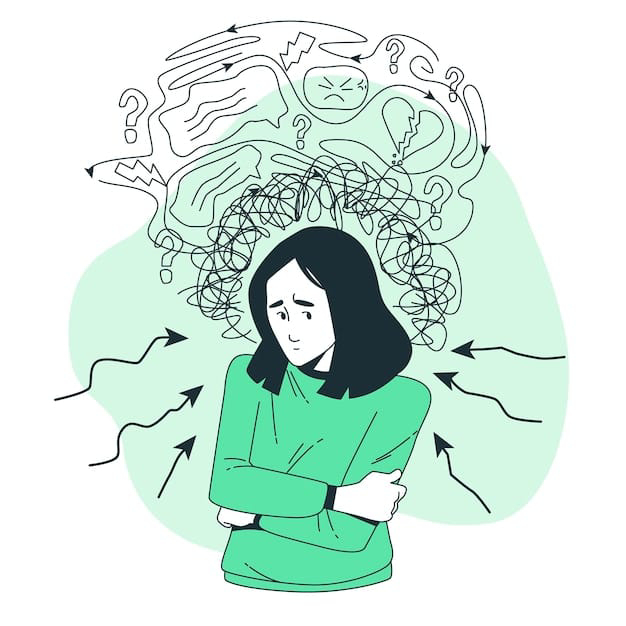
What is life crisis definition? Psychology explains

   Today I would like to share about the interesting topic, namely "What is life crisis definition" the main reason why I chose this topic is because many people are in a critical period but they don't know how to react to it, based on psychological review: a life crisis is a period of intense difficulty, stress, or instability in an individual's life, often triggered by significant life events or changes. These crises can manifest in various forms, such as a midlife crisis, quarter-life crisis, identity crisis, or existential crisis. They typically involve a period of reflection and reassessment of one's life, values, and goals, potentially leading to significant personal growth or change, 
Examples of life crises include:
1. Midlife Crisis: Typically occurs between the ages of 40 and 60, involving a reassessment of life achievements, goals, and personal identity. Individuals may experience dissatisfaction with their careers, relationships, or accomplishments and seek significant changes.
2. Quarter-Life Crisis: Often experienced by individuals in their twenties or early thirties. It involves anxiety and uncertainty about career choices, relationships, and the direction of one's life. It can be triggered by the pressures of transitioning from education to the workforce.
3. Identity Crisis: Involves a period of uncertainty and confusion about one's sense of self and role in the world. This can occur at any age and is often triggered by major life changes or events.
4. Existential Crisis: Characterized by deep questioning about the meaning and purpose of life. Individuals may struggle with feelings of emptiness, lack of direction, or doubt about their existence.
5. Career Crisis: Occurs when an individual faces significant challenges or dissatisfaction in their professional life. This could involve job loss, career stagnation, or a desire for a major career change.
6. Relationship Crisis: Involves significant stress and turmoil in personal relationships, such as a breakup, divorce, or conflict with family members.
7. Health Crisis: Triggered by a serious illness or medical condition, leading to anxiety, fear, and reassessment of life priorities and goals.
8. Financial Crisis: Involves severe financial difficulties, such as debt, unemployment, or bankruptcy, leading to stress and uncertainty about the future.

While it may be challenging to completely avoid life crises, there are strategies that can help individuals manage and potentially reduce their impact. Here are some approaches:
1. Self-awareness: Regular self-reflection can help individuals recognize and address issues before they become crises.
2. Healthy coping mechanisms: Developing healthy ways to cope with stress, such as exercise, meditation, and hobbies, can mitigate the effects of difficult situations.
3. Strong support network: Having a reliable support system of friends, family, or professionals can provide emotional support and guidance during tough times.
4. Flexibility and adaptability: Being open to change and adaptable in the face of new circumstances can make transitions smoother.
5. Setting realistic goals: Establishing achievable goals and expectations can reduce the likelihood of feeling overwhelmed or unfulfilled.
6. Professional help: Seeking help from mental health professionals can provide tools and strategies to manage stress and navigate life challenges effectively.

While these strategies can help manage stress and transitions, experiencing some level of crisis or difficulty is a normal part of life and can contribute to personal growth and resilience.

What is the meaning of work life balance

  Today I would like to share about the interesting topic, namely "What is the meaning of work life balance", The main reason why I choose this topic is because many people lose their work-life balance in real life, if we draw a conclusion from several reliable sources of information, Work-life balance refers to the equilibrium between personal life and career work. It involves prioritizing time and energy between professional responsibilities and activities or interests outside of work, such as family, hobbies, and relaxation. Achieving a good work-life balance is essential for reducing stress, preventing burnout, and maintaining overall well-being. The reason people get stressed because they don't implement work-life balance, another cause that causes someone to lose their work-life balance is the rule that makes them ambitious for their work, 
There are some several factors can contribute to people losing their work-life balance:

1. Excessive Workload: Taking on too many tasks or responsibilities can lead to long hours and insufficient time for personal life.
2. Lack of Boundaries: Difficulty in setting boundaries between work and personal time, especially with remote work and constant connectivity.
3. High Expectations: Both self-imposed and external expectations to perform at a high level constantly.
4. Inefficient Time Management: Poor planning and prioritization can lead to work spilling over into personal time.
5. Job Insecurity: Fear of losing a job may push individuals to overwork to prove their value.
6. Lack of Support: Inadequate support from employers, such as flexible working hours or understanding personal commitments.
7. Technology Overuse: Being constantly available via smartphones and email can blur the lines between work and personal life.
8. Workplace Culture: A culture that rewards long hours and constant availability can pressure employees to sacrifice their personal life.
9. Personal Ambition: High personal goals and career ambitions can drive individuals to prioritize work over personal life.
10. Poor Health Habits: Neglecting physical and mental health can reduce energy and efficiency, leading to more time needed for work tasks.

Now, we would like to know how Implementing a healthy lifestyle while maintaining work-life balance involves several strategies:

1. Set Clear Boundaries: Establish specific work hours and stick to them. Avoid checking work emails or doing work tasks outside of these hours.
2. Prioritize Self-Care: Schedule regular exercise, adequate sleep, and healthy meals. Make time for relaxation and hobbies that rejuvenate you.
3. Effective Time Management: Use tools and techniques like to-do lists, calendars, and time-blocking to organize tasks efficiently.
4. Learn to Say No: Don’t overcommit. Recognize your limits and decline additional work or social engagements when necessary.
5. Take Breaks: Incorporate short breaks during work hours to avoid burnout. Use this time to stretch, walk, or practice mindfulness.
6. Leverage Technology Wisely: Use technology to your advantage with productivity tools but avoid excessive screen time, especially before bed.
7. Seek Support: Communicate with your employer about flexible working options and seek support from family and friends.
8. Disconnect Regularly: Designate tech-free times or zones in your home to disconnect from work and focus on personal activities.
9. Regular Health Check-ups: Stay on top of your health with regular medical check-ups and consultations with healthcare professionals.
10. Pursue Interests: Engage in activities and hobbies that you enjoy and that provide a sense of fulfillment outside of work.

What is quarter life crisis meaning

  Today I would like to share about the interesting topic, namely "What is quarter life crisis meaning", The main reason why I choose this topic is because many people are trapped in a quarter-life crisis situation, Based on my research and some observations, people experience quarter life crises because they are busy chasing their instant gratification and ignoring the truth of reality, the meaning of quarter life crisis is a period of uncertainty and questioning that typically occurs in one's twenties to early thirties. It often involves feelings of anxiety, dissatisfaction, and confusion about one's career, relationships, and overall direction in life. This phase can be marked by a desire for more meaningful work, significant life changes, or a re-evaluation of personal goals and values.
Experiencing a quarter-life crisis can lead to several outcomes, including:
1. Personal Growth: Many people use this period to reflect deeply on their values, goals, and desires, leading to significant personal development.
2. Career Changes: It can prompt individuals to switch careers or pursue further education to align their work with their passions and interests.
3. Improved Relationships: Reevaluating personal connections can lead to stronger, more fulfilling relationships or the end of those that are unfulfilling.
4. Greater Self-awareness: Individuals often gain a clearer understanding of themselves, which can help in making more informed life choices.
5. New Opportunities: This period of crisis can open doors to new experiences, hobbies, and interests that may not have been considered before.

While challenging life pressure, a quarter-life crisis can be a catalyst for positive change and a more authentic life direction, successfully navigating a quarter-life crisis often involves several key factors:
1. Self-Reflection: Taking time to understand personal values, goals, and passions helps in making informed decisions about the future.
2. Support Network: Having friends, family, or mentors to talk to provides emotional support and diverse perspectives.
3. Flexibility and Openness: Being open to change and willing to explore new opportunities can lead to personal and professional growth.
4. Goal Setting: Setting realistic and achievable goals provides direction and motivation.
5. Seeking Professional Help: Therapy or career counseling can offer guidance and strategies for managing stress and making important life choices.
6. Healthy Coping Mechanisms: Engaging in activities like exercise, meditation, or hobbies can reduce stress and improve mental well-being.
7. Continual Learning: Staying curious and learning new skills can open up new career paths and opportunities.

These factors can help individuals turn the challenges of a quarter-life crisis into opportunities for growth and fulfillment.

How to remove negative thoughts from mind permanently

   Today I want to share an interesting topic, namely "How to remove negative thoughts from mind permanently", the main reason why I choose this topic is because not everyone succeeds in conquering negative thoughts permanently,  from a psychological point of view, basically negative thoughts are a natural response to increase alertness and caution, so negative thoughts are not always negative, This also applies to positive thoughts, not always positive thoughts are positive, we have to test our thoughts whether they are in accordance with reality or contrary to reality, remember this : our logic must be coherent with reality even though we create positive expectations, Like it or not, sometimes expectations actually prevent us from canceling negative thoughts
Removing negative thoughts permanently is challenging, but you can reduce their frequency and impact through consistent practice and various strategies. Here are some steps you can take:
1. Cognitive Behavioral Therapy (CBT): This form of therapy helps you identify and challenge negative thought patterns, replacing them with more positive, realistic ones.
2. Mindfulness and Meditation: Practicing mindfulness can help you become more aware of your thoughts and learn to observe them without judgment, reducing their power over you.
3. Positive Affirmations: Repeating positive affirmations can help rewire your brain to focus on positive thoughts and diminish the impact of negative ones.
4. Healthy Lifestyle: Regular exercise, a balanced diet, and adequate sleep can improve your overall mental health, making it easier to manage negative thoughts.
5. Journaling: Writing down your thoughts can help you process and understand them better. It can also help you identify patterns and triggers for negative thoughts.
6. Gratitude Practice: Focusing on what you're grateful for can shift your mindset from negative to positive.
7. Limit Negative Influences: Reduce exposure to negative media, toxic relationships, and stressful environments.
8. Seek Support: Talking to friends, family, or a mental health professional can provide support and perspective.
9. Develop Hobbies and Interests: Engaging in activities you enjoy can help distract you from negative thoughts and promote a more positive outlook.
10. Practice Self-Compassion: Treat yourself with kindness and understanding, especially when you encounter negative thoughts.

These strategies require consistent effort and practice. It might be helpful to start with a few and gradually incorporate more into your routine.

Define a passionate person

  Today I want to share an interesting topic, namely "Define a passionate person", The main reason why I choose this topic is because not everyone thinks that they are passionate people, sometimes they can't differentiate between passionate people and people who are crazy with the type of person who is a workaholic, In psychology, a passionate person is typically defined as someone who exhibits a strong and intense enthusiasm or dedication toward an activity, cause, or interest. Passion involves both cognitive and emotional components, where the individual experiences deep enjoyment, a sense of meaning, and a drive to invest time and effort into their passion. Psychologist Robert Vallerand's Dualistic Model of Passion categorizes passion into two types:
1. Harmonious Passion: This type of passion involves an autonomous internalization of an activity into one's identity. The individual freely engages in the activity, experiencing balance and harmony. It often leads to positive outcomes, such as well-being and sustained motivation.
2. Obsessive Passion: This type involves a controlled internalization, where the activity takes an overpowering importance in one's life. The individual feels compelled to engage in the activity, sometimes at the expense of other aspects of life, leading to potential negative outcomes like stress or conflict.

A passionate person, therefore, is someone who pursues their interests with a high level of commitment and energy, often finding deep satisfaction and meaning in their pursuits, Passionate people can be found in various fields, demonstrating their dedication and enthusiasm through their accomplishments and contributions. Here are a few examples:
1. Marie Curie: A pioneering physicist and chemist, Curie was passionate about science and dedicated her life to researching radioactivity, leading to the discovery of radium and polonium. Her work earned her two Nobel Prizes.
2. Elon Musk: The CEO of Tesla and SpaceX, Musk is known for his passion for technology and innovation. His drive to revolutionize electric cars and space travel has led to significant advancements in these fields.
3. Jane Goodall: Renowned for her work with chimpanzees, Goodall's passion for animal behavior and conservation has led to groundbreaking research and advocacy for wildlife preservation.
4. Malala Yousafzai: An advocate for girls' education, Malala's passion for education and human rights has made her an influential figure globally. She was awarded the Nobel Peace Prize for her efforts.
5. Steve Jobs: The co-founder of Apple, Jobs was passionate about design and technology. His vision and innovation transformed the tech industry and influenced how people interact with technology.

These individuals exemplify how passion can drive significant achievements and positive change in various domains.

Define feeling passionate about something

   Today I want to share an interesting topic, namely "Define feeling passionate about something", The main reason why I choose this topic is because not everyone realizes their passion since childhood, Based on my personal experience, finding passion in work is not easy because you have to overcome obstacles, uncertainty and challenges, if someone likes western style food, then he will be enthusiastic about doing something related to cooking, Passion for something is a strong and deep feeling or emotion towards an activity, interest or goal. Passion is often characterized by:
1. Enthusiasm: A heightened sense of enthusiasm and a strong desire to engage in an activity or interest.
2. Commitment: Dedication and perseverance in pursuing or doing something, even when facing challenges or difficulties.
3. Satisfaction: The sense of pleasure and satisfaction gained from doing or pursuing something.
4. Intrinsic motivation: The internal drive to engage in an activity because the activity itself provides satisfaction and meaning, rather than because of external factors such as rewards or recognition.

Examples of passion could include a person's love for art, science, sports, or their work. People who are passionate about something tend to feel more energized and motivated when they engage in the activity, People who have found passion for something, then they don't need motivation from other people's skills, besides that, we must be alerted with the enemy of passion, 
The main enemies of passion are having various factors that can hinder, diminish, or extinguish one's passion and motivation. Some of the main enemies of passion include:

1. Fear and Doubt: Fear of failure, rejection, or uncertainty can hold a person back from pursuing their passion. Self-doubt can also be a big hindrance.
2. Lack of Support: Without support from family, friends, or coworkers, one may feel isolated and less motivated to pursue their passion.
3. Stress and Burnout: Excessive stress and burnout from work or other life pressures can drain a person's energy and enthusiasm, leaving them feeling exhausted and losing interest in their passion.
4. Time Constraints: Time demands from work, family, or other obligations can make it difficult to find time to pursue their passions.
5. Criticism and Negativity: Unconstructive criticism and negativity from others can be detrimental to one's passion. Feeling unappreciated or looked down upon can extinguish passion.
6. Complacency and Laziness: Excessive complacency or laziness can prevent one from continuing to strive and grow in the field they love.
7. Social Comparison: Excessively comparing oneself to others can diminish self-confidence and make one feel like their passions don't matter enough.

Overcoming these enemies requires self-awareness, stress management strategies, strong social support, and the determination to keep trying despite obstacles.

The example of passion in work

   Today I want to share an interesting topic, namely "The example of passion in work", The main reason why I choose this topic is because not everyone can detect where their passion lies, Passion is a strong feeling or deep enthusiasm for something, be it a particular activity, job, hobby or cause. It is an emotional drive that makes a person extremely passionate, dedicated and motivated to continue doing or pursuing something despite challenges or difficulties.
Passion is often associated with things that provide a sense of satisfaction, happiness, and personal fulfillment. When a person finds their passion, they tend to feel more alive, engaged and purposeful.
Meeting one's passion is often characterized by several characteristics, including:
1. High Enthusiasm: They feel very excited and energetic when doing the activity, even when facing challenges or difficulties.
2. Time Passes Quickly: They often feel that time passes very quickly while engaged in the activity, indicating that they are completely immersed in the activity.
3. Satisfaction and Pleasure: They feel a deep sense of satisfaction and genuine happiness while doing the activity, even if there is no great material reward.
4. High Motivation: They have a strong motivation to continue learning and developing in the field, often independently.
5. Resilience Against Obstacles: They are more resilient to obstacles and failure due to a strong intrinsic drive to succeed in the field.
6. Creativity and Innovation: They often exhibit high levels of creativity and are able to think outside the box while engaged in the activity.
7. Strong Sense of Identity: The activity is often an important part of their identity and how they see themselves.
8. Positive Influence on Others: They are often able to inspire and positively influence others through their passion and dedication to the activity.

Do any of these traits resonate with you in an activity?, Examples of passion at work can vary greatly depending on an individual's interests and talents. Here are some examples:
1. Doctor: A doctor who is passionate about saving lives and helping patients recover from illnesses. They may feel very fulfilled when they see patients recover and continue to update their medical knowledge.
2. Teacher: A teacher who is passionate about teaching and educating students. They get happiness when they see their students succeed and understand the material taught.
3. Chef: A chef who has a great passion for cooking and creating new dishes. They may spend a lot of time experimenting with new recipes and enjoy the process of cooking and satisfying their customers.
4. Engineer: An engineer who has a passion for designing and building new infrastructure or technology. They may feel very challenged and satisfied when they see their work being used and benefiting society.
5. Writer: A writer who enjoys the process of writing and storytelling. They feel very satisfied when their work is read and appreciated by many people.
6. Graphic Designer: A graphic designer who enjoys the creative process of designing attractive and effective visuals. They feel very satisfied when they see their designs being used and appreciated.
7. Entrepreneur: An entrepreneur who is passionate about building and growing a business. They may feel very satisfied when they see their business grow and have a positive impact on employees and customers.
8. Social Activist: Someone who has a passion for fighting for social justice and making positive changes in society. They feel compelled to work hard to achieve the social causes they believe in.

Passion in work not only makes the job more enjoyable, but also often leads to greater success due to dedication and motivation.

What's the difference between forgiveness versus reconciliation

     Today I want to share to an interesting topic, namely "What's difference between Forgiveness versus reconciliation", The main reason why I chose this topic is because not everyone can do reconciliation when they encounter something that cannot be resolved by their knowledge, there are several main reasons why not everyone can reconcile when facing problems:
1. Ego and Pride: Sometimes ego and high self-esteem can prevent a person from admitting mistakes or finding a middle ground.
2. Emotional Wounds: Deep emotional wounds or trauma can make reconciliation very difficult because of the pain that is still being felt.
3. Lack of Communication Skills: Not everyone has good communication skills to resolve conflicts in a constructive way.
4. Differences in Values and Principles: Fundamental differences in values and life principles can make reconciliation difficult, as each side feels its beliefs are the most correct.
5. Distrust: If trust has been broken, it is very difficult to rebuild it and reconcile.
6. Unwillingness to Change: Reconciliation often requires a change in attitude or behavior from both parties. If one or both parties are unwilling to change, reconciliation is difficult.
7. Third Party Influence: Third-party interference that exacerbates the problem can hinder the reconciliation process.

These factors, either individually or collectively, can affect a person or group's ability to reconcile, there are several ways that can help in the reconciliation process to achieve peace:
1. Open and Honest Communication: Opening honest and open channels of communication is essential. Each party must feel heard and understood without judgment or prejudice.
2. Empathy and Understanding: Try to understand the other party's feelings and perspective. Empathy can help reduce tension and pave the way for compromise.
3. Apologize and Give Forgiveness: Admitting mistakes and apologizing are important steps in reconciliation. Apologizing also helps release emotional baggage and makes it possible to move forward.
4. Build Trust: Trust should be rebuilt slowly through consistent actions that show goodwill and sincerity.
5. Be Flexible and Open to Compromise: Sometimes compromise is required to reach an agreement that is fair to both parties. Being flexible and open to change is helpful.
6. Seek Third Party Assistance: Mediation by a neutral third party can be helpful in mediating the conflict and finding a solution that is acceptable to both parties.
7. Focus on the Solution, Not the Problem: Shift the focus from who is wrong or right, to how the problem can be solved in a constructive way.
8. Develop Conflict Resolution Skills: Attending training or workshops on conflict resolution skills can provide tools and techniques to deal with and resolve conflict more effectively.
9. Taking Time for Self-Reflection: Sometimes, taking time to reflect and understand what really matters can be helpful in

Forgiveness definition

        Today I would like to share about the interesting topic, namely "Forgiveness definition", The main reason why I choose this topic is because giving forgiveness has many benefits, especially to mental health, Forgiveness is the act of releasing a person from punishment, guilt, or negative consequences that would otherwise have resulted from their actions. Forgiveness involves the process of forgiving the wrongdoings of others, letting go of resentment or hatred, and trying to move on without being burdened by the event. This can happen in a personal, social, or even spiritual context, 
Forgiveness offers numerous benefits, including:

1. Emotional Relief: It reduces feelings of anger, bitterness, and resentment, leading to emotional healing.
2. Improved Mental Health: Forgiving others is linked to lower levels of anxiety, depression, and stress.
3. Better Relationships: It can restore and strengthen personal relationships by fostering empathy and understanding.
4. Physical Health: Forgiveness is associated with lower blood pressure, reduced risk of heart disease, and better immune function.
5. Increased Happiness: Letting go of grudges can lead to greater feelings of peace, joy, and overall well-being.
6. Personal Growth: It promotes self-awareness and personal growth, helping individuals learn from their experiences.
7. Spiritual Well-being: For many, forgiveness aligns with spiritual or religious beliefs, fostering a sense of purpose and connectedness.

People may struggle to forgive others for various reasons:
1. Hurt and Pain: The emotional pain caused by the offense can be too deep, making forgiveness feel impossible.
2. Perceived Injustice: Forgiving might feel like condoning or minimizing the wrongdoing, especially if the offense was severe.
3. Lack of Remorse: If the offender does not show remorse or apologize, it can be challenging to forgive.
4. Fear of Repetition: People may fear that forgiving will open them up to being hurt again in the future.
5. Pride and Ego: Pride can prevent individuals from letting go of grudges and admitting vulnerability.
6. Misunderstanding Forgiveness: Some might misunderstand forgiveness as forgetting or reconciling, rather than as an internal process of letting go.
7. Control and Power: Holding onto anger and resentment can give a false sense of control and power over the situation or person.


How to avoid negative thoughts? Psychology talks

       Today I want to share an interesting topic, namely "How to avoid negative thoughts", the reason I choose this topic is because not everyone is able to avoid negative thoughts, based on observations, Negative thoughts are caused by low vibrational energy levels, Negative thoughts can be caused by a variety of factors, including:

1. Stress and Anxiety: Pressure from work, financial problems, or relationships can cause stress and anxiety that trigger negative thoughts.
2. Past Trauma: Traumatic or painful experiences in the past can continue to affect the way a person thinks and responds to current situations.
3. Social Environment: Negative or toxic environments, such as bad relationships or unsupportive friendships, can affect one's mindset.
4. Mental Health: Conditions such as depression, anxiety disorders, or other mood disorders can lead to negative thinking tendencies.
5. Lack of Social Support: Lack of support from family, friends, or community can make one feel isolated and increase negative thoughts.
6. Habitual Negative Thinking Patterns: Long-established negative thinking habits, often without realizing it, can make a person constantly see things in a negative light.
7. Media Influence: Constant exposure to negative news or pessimistic media content can affect one's outlook and mood.
8. Physical Health: Physical health issues, lack of sleep, or poor diet can also contribute to negative thoughts.

Recognizing the causes of negative thoughts is the first step to overcoming them and finding ways to improve mental well-being, avoiding negative thoughts involves several strategies and practices. Here are some effective methods:

1. Practice Mindfulness and Meditation: These techniques help you stay present and become more aware of your thoughts, allowing you to observe and let go of negative thoughts without getting caught up in them.
2. Challenge Negative Thoughts: When you notice a negative thought, question its validity. Ask yourself if there's evidence supporting it or if you're possibly exaggerating the situation.
3. Positive Self-Talk: Replace negative thoughts with positive affirmations. Encourage yourself with kind and supportive words, much like you would for a friend.
4. Limit Exposure to Negative Influences: Reduce time spent on social media, news, or with people who constantly bring negativity. Surround yourself with positive influences and uplifting content.
5. Stay Physically Active: Exercise releases endorphins, which can improve your mood and reduce stress. Regular physical activity can help you maintain a positive mindset.
6. Focus on Gratitude: Regularly take time to reflect on things you're grateful for. Keeping a gratitude journal can help shift your focus from what's wrong to what's going well in your life.
7. Set Realistic Goals: Break larger tasks into smaller, manageable steps. Achieving these small goals can give you a sense of accomplishment and combat negative thinking.
8. Seek Professional Help: If negative thoughts are overwhelming or persistent, consider talking to a mental health professional. Therapy can provide you with tools and strategies to manage your thoughts more effectively.
9. Engage in Hobbies and Interests: Spending time on activities you enjoy can distract you from negative thinking and boost your overall mood.
10. Build a Support Network: Surround yourself with supportive friends and family who can provide encouragement and perspective when you need it.

Incorporating these strategies into your daily routine can help reduce the frequency and impact of negative thoughts, hopefully this article can give you an idea how to improve your life career, good luck 

The power of love and forgiveness

   Today I want to share an interesting topic, namely "The power of love and forgiveness", The main reason why I chose this topic is because not everyone applies what they get from feelings of love,  If we explore further, most people will do something for the sake of desire, but not all desires are able to create love, "The power to forgive" refers to a person's ability or power to forgive others for mistakes, injustices, or hurtful actions. This involves letting go of feelings of anger, resentment, or hatred towards the wrongdoer, and may also involve giving a second chance or healing a damaged relationship. Forgiveness can be a very difficult act, but it can also bring peace and healing to both the forgiver and the forgiven.
Creating feelings of love and forgiving others' mistakes is a process that involves self-understanding, empathy, and constant effort. 

 Here are some steps that may help:
 1. Recognizing Your Own Feelings: Be aware of your feelings of anger or hurt. Acknowledging these feelings is the first step towards healing.
 2. Empathy: Try to understand the perspective and circumstances of the person who made the mistake. Knowing the reasons behind their actions can help in forgiveness.
 3. Remembering the Good: Focus on the good things the person has done and their positive qualities. This can help reduce negative feelings.
 4. Talk to the Person: If possible, communicate your feelings honestly and openly. This can help resolve misunderstandings and rebuild relationships.
 5. Accept That Everyone Can Make Mistakes: Remember that no one is perfect, and everyone can make mistakes. Accepting this reality can make it easier for us to forgive.
 6. Meditation or Prayer: Spiritual practices such as meditation or prayer can help calm the mind and open the heart to forgiveness.
 7. Focus on Your Own Healing: Sometimes, forgiveness is more about healing yourself than the other person. Focus on your emotional well-being and how forgiveness can reduce the burden of negativity in your life.
 8. Taking Time: Forgiveness is a process that takes time. Give yourself space and time to heal without feeling rushed.
 9. Professional Help: If negative feelings are too much to overcome on your own, consider seeking help from a counselor or therapist who can help you through this process. 

 With practice and patience, feelings of love and the ability to forgive can grow and develop within a person, forgiving mistakes can be very difficult because it involves various deep emotional and psychological factors. Here are some reasons why forgiveness can be a challenge:
 1. Emotional Pain: When someone hurts us, the emotional pain experienced can be very deep. Overcoming this pain takes time and effort.
 2. Sense of Betrayal: If the person who hurt us is someone we trust or love, the resulting sense of betrayal can make the process of forgiveness more difficult.
 3. Anger and Resentment: Strong emotions such as anger and hatred can hinder our ability to view situations objectively and forgive others.
 4. Feeling of Unfairness: Forgiveness can feel like ignoring or trivializing the wrong done, which may feel unfair to us.
 5. Hurt Self-Esteem: Other people's mistakes can hurt our self-esteem, making us feel belittled or unappreciated.
 6. Fear of Being Hurt Again: There is a fear that forgiveness will make us vulnerable to being hurt again in the future.
 7. Difficulty Overcoming Trauma: Some mistakes, especially those involving trauma or abuse, can be very difficult to forgive because of their deep and lasting impact.
 8. Ego and Pride: Sometimes, our ego gets in the way of the forgiveness process because we don't want to appear weak or accept that we could be hurt.
 9. Lack of Empathy: Difficulty forgiving can arise from an inability to see the situation from the other person's perspective and understand their motivations or difficulties.
 10. Environmental and Cultural Influences: The social and cultural environment in which we live can influence our views on forgiveness. Some cultures may view forgiveness as a sign of weakness.

 Although difficult, forgiveness is an important step to healing and personal growth. By understanding the reasons behind difficulties in forgiving, we can more easily face and overcome these obstacles, hopefully this article can help you how to create harmony in your life, good luck.

Listen to focus on the family

    Hi, Today I want to share an interesting topic, namely "Listen to focus on the family", The main reason why I choose this topic is because not everyone cares to their family, besides that, many people consider their family is second priority after career, I personally don't agree with the type of person who puts career before family,
Listening to our family is important for several reasons:
1. Compassion and Support: Family are usually the people who care and support us the most. Listening to them can help us feel loved and supported.
2. Experience and Wisdom: Family members, especially older ones, often have more life experience. They can give valuable advice based on their experiences.
3. Strengthens Relationships: Good communication, including listening, can strengthen family relationships. It helps create stronger bonds and understand each other better.
4. Avoids Conflict: Good listening can prevent misunderstandings and conflicts. It helps create a harmonious and peaceful family environment.
5. Learning Values and Culture: Through family, we often learn important values, traditions and culture. Listening to them helps us appreciate and continue the family heritage.
6. Problem Solving: Families can often help in solving problems by providing different perspectives and solutions that we may not have thought of on our own.

Listening to family is an important part of building strong and supportive relationships, dividing focus between family and career can be a challenge, but there are some strategies that can help:
1. Set Priorities: Determine what is most important at any given moment and prioritize. For example, when there is an important family event, give your full attention to your family, and when there is a work deadline, focus on your career.
2. Create a Balanced Schedule: Manage your time wisely, create a schedule that takes into account time for work and time for family. Make sure there is free time dedicated to relaxing with your family.
3. Effective Communication: Communicate needs and expectations clearly to family members and coworkers. This helps avoid conflict and ensures all parties understand their respective responsibilities.
4. Utilize Technology: Use technology for efficiency, such as time management apps or digital calendars, to organize and remind important schedules.
5. Delegate Tasks: Feel free to delegate tasks both at home and at work. This helps reduce the burden and allows more time for the things that matter.
6. Stay Healthy: Take good care of your physical and mental health. Exercise, adequate sleep, and healthy eating can help boost energy and focus.
7. Set Boundaries: Create clear boundaries between work time and personal time. For example, avoid bringing work home or set fixed working hours.
8. Give Quality Time: When you are with your family, make sure to give them quality time, not just quantity. Focus your full attention on them without distractions from work.
9. Flexibility: Flexibility in work arrangements, such as work-from-home options or flexible working hours, can help you manage your time better.
10. Regular Evaluation: Regularly evaluate the balance between career and family and make adjustments if needed. 

With the right approach and good planning, dividing your focus between family and career can be easier and more effective, hopefully this article can give you an idea how to improve your relationship with family, good luck.

The Journey for us to focus on the family

      Today I would like to share about the interesting topic, namely "The Journey for us to focus on the family", The main reason why I choose this topic is because not everyone can focus on their family matters, there are some people who prefer to be busy with their work or career rather than focus on their family, In my opinion, the attitude in this decision is not good because it puts aside the position of the family and considers the family only as a home, a journey to focus on family typically means taking time and effort to prioritize and strengthen family relationships. This can involve spending quality time together, supporting each other through challenges, creating lasting memories, and fostering a sense of unity and love. It may also involve making lifestyle changes to ensure that family becomes a central aspect of daily life, such as adjusting work schedules, planning family activities, and engaging in open communication.

    Building a harmonious family involves consistent effort and commitment. Here are some tips:
1. Open Communication: Encourage open and honest communication. Listen to each other without judgment and express your thoughts and feelings clearly.
2. Quality Time: Spend quality time together. Engage in activities that everyone enjoys and create opportunities for bonding.
3. Respect and Empathy: Show respect and empathy towards each family member. Understand and appreciate each other's perspectives and feelings.
4. Set Boundaries: Establish clear and reasonable boundaries. Ensure that everyone understands and respects these boundaries.
5. Shared Responsibilities: Divide household responsibilities fairly. Encourage cooperation and teamwork.
6. Support Each Other: Offer support and encouragement during tough times. Celebrate each other’s successes and milestones.
7. Conflict Resolution: Address conflicts calmly and constructively. Focus on finding solutions rather than assigning blame.
8. Family Traditions: Create and maintain family traditions. These can provide a sense of continuity and belonging.
9. Healthy Balance: Maintain a healthy balance between work, school, and family time. Ensure that family time is a priority.
10. Positive Environment: Foster a positive and nurturing environment. Show love, appreciation, and kindness regularly.
11. Teach Values: Instill important values such as honesty, integrity, and compassion. Lead by example.
12. Seek Help if Needed: Don’t hesitate to seek professional help if you’re facing challenges that you can’t resolve on your own. Family therapy can be beneficial.

Building a harmonious family is an ongoing process that requires patience, effort, and love from all members, hopefully this article can help you how to build good relationship with Family, good luck

What happened when we focus to the family

    Today I want to share an interesting topic, namely "What happened when we focus to the family", The main reason why I choose this topic because not everyone has a close relationship with their family, one of the main cause why they keep their distance from their family members because they have different social circle, principle, Interest, those are driving someone to respective ego, A focus on family has many significant benefits, both for the individual and for the family unit as a whole. Some of the benefits include:
1. Emotional Wellbeing: Close relationships with family can provide strong emotional support, helping to cope with stress and life challenges.
2. Mental Health: Harmonious family relationships can improve mental health, reducing the risk of depression, anxiety and other mental health problems.
3. Increased Self-Confidence: Receiving support and affection from family can boost self-confidence and self-esteem.
4. Character and Value Development: Family is the first place where one learns values, ethics, and social norms, which are crucial for character development.
5. Social Support: The family provides a social support network that one can rely on in difficult situations, be it financial, health or other.
6. Physical Health: Good family relationships are often associated with healthy habits, such as eating together and exercising together.
7. Happiness: Spending time with family and having strong relationships can increase happiness and life satisfaction.
8. Education and Learning: Families that focus on children's education and development can provide a strong foundation for future academic and professional success.
9. Stability: Harmonious families provide a sense of security and stability that is essential for the well-being of children and other family members.

By focusing on family, individuals not only contribute to their own well-being but also to the well-being and happiness of their loved ones, a focus on family can have many positive impacts on the individual and the family as a whole. Here are some of the things that might happen:
1. Increased Emotional Wellbeing: Strong and supportive relationships with family can help reduce stress and improve emotional well-being.
2. Improved Mental Health: Support and warmth from family can contribute to better mental health, reducing the risk of problems such as depression and anxiety.
3. Closer Relationships: Spending quality time together can strengthen family bonds, increase mutual trust, and deepen relationships between family members.
4. Better Child Development: Children who grow up in a harmonious family environment tend to be emotionally and mentally healthier and have better academic and social performance.
5. Stability and Security: A focus on family provides a sense of security and stability, which is important for the well-being of children and other family members.
6. Increased Self-Confidence: Receiving support and affection from family can boost the self-confidence and self-esteem of family members.
7. Happiness and Life Satisfaction: Good family relationships are often associated with higher happiness and life satisfaction.
8. Healthy Living Habits: Families that focus on shared well-being tend to develop healthy living habits, such as eating together, exercising, and maintaining overall health.
9. Support in Adversity: Having strong family relationships means having a support network to rely on in difficult or crisis situations.
10. Strong Values and Character: Families that focus on developing values and character can form better individuals, with strong values and good behavior.

Overall, a focus on family can bring many long-term benefits, both for personal well-being and for overall family success and happiness, hopefully this article can help you how to improve your relationship with your family, good luck.

What's advance behavioral health

  Today I would like to share about the interesting topic, namely "What's advance behavioral health", the main reason why I chose this topic is because not everyone wants to change their behavior, The main cause is ego, besides ego, there is a barrier called lifestyle,
Advancing behavioral health requires a holistic approach that includes education, social support, and environmental change. Here are some steps that can be taken:
1. Education and Awareness:
   - Public Education: Educational campaigns on the importance of mental and physical health.
   - School Programs: Curriculum integration that teaches children about mental health and healthy behaviors from an early age.
2. Access to Health Services:
   - Affordable Services: Provide easier and more affordable access to mental and physical health services.
   - Telehealth: Using technology to provide mental health counseling and support online.
3. Social Support:
   - Support Community: Establish support groups for various behavioral health issues.
   - Family Training: Engage families in training to provide effective support.
4. Supportive Environment:
   - Government Policies: Implement policies that support mental health in workplaces, schools and communities.
   - Public Facilities: Provide sports facilities and public spaces that encourage physical activity and social interaction.
5. Promotion of Healthy Lifestyles:
   - Health Campaigns: Promote campaigns that encourage healthy lifestyles such as exercise, a balanced diet, and stress management.
   - Company Programs: Implementation of workplace wellness programs to improve employee well-being.
6. Stigma Reduction:
   - Anti-Stigma Education: Organizing campaigns to reduce stigma towards people with mental health issues.
   - Inspirational Stories: Promote success stories of individuals who have overcome behavioral health issues.

With a holistic and collaborative approach, behavioral health can be significantly improved in the community, to improve behavioral health, one can take the following steps:
1. Education and Awareness: Learn about the importance of mental and behavioral health and how they affect overall well-being.
2. Adopt Healthy Habits: Adopt a daily routine that includes physical activity, a balanced diet, adequate sleep and stress management.
3. Seek Social Support: Build a strong social support network with friends, family or support groups to share feelings and experiences.
4. Managing Stress: Develop stress management techniques such as meditation, yoga, breathing exercises, or an enjoyable hobby.
5. Consult a Professional: Do not hesitate to seek help from a psychologist, psychiatrist, or counselor if you feel the need.
6. Set Goals and Priorities: Set realistic and achievable goals and prioritize your daily life to avoid burnout and stress.
7. Maintain Life Balance: Make sure there is a balance between work, rest, and recreational activities.
8. Recognize and Overcome Negative Thoughts: Learn how to recognize negative thoughts and replace them with more positive and constructive thoughts.

By adopting these steps, one can gradually improve their behavioral health and create a more balanced and fulfilling life, hopefully this article can help you how to maintain your behavior health, good luck.

What does patience is virtue means

   Today I would like to share about the interesting topic, namely "what does patience is virtue means", the reason I chose this topic is because not everyone knows the meaning of patience, Besides that, Many people think that patience is part of forming personal character, it cannot be represented by other people, "Patience is a virtue" means that the ability to wait for something without getting angry or upset, it is a valuable quality. It suggests that being patient is a moral excellence that leads to better outcomes, both in personal behavior and in dealing with others. The phrase highlights the importance of self-control, tolerance, and perseverance in facing life's challenges. It implies that good things come to those who are willing to wait and handle delays or difficulties gracefully.
To be patient, several things you need include:
 1. Self-Awareness: Being aware of the feelings and thoughts that arise when facing difficult situations helps to control emotional reactions.
 2. Perseverance: Having the will to keep trying and not giving up easily even when facing challenges.
 3. Emotional Control: Able to manage negative emotions such as anger, frustration, or anxiety in a constructive way.
 4. Faith: Believe that every trial and difficulty has a lesson and believe that everything happens by Allah's will.
 5. Prayer and Worship: Praying and drawing closer to Allah through worship can give you peace of mind and the strength to be patient.
 6. Social Support: Getting support from family, friends, or the community can help in maintaining patience.
 7. Positive Thinking: Trying to think positively and seeing the good side of every incident helps maintain emotional balance.
 8. Acceptance: Accepting reality and circumstances that cannot be changed gracefully.
 9. Avoid Excessive Stress: Do activities that can reduce stress such as exercise, meditation, or hobbies.
 10. Learning from Experience: Taking lessons from past experiences and understanding that every difficulty is part of the learning and self-development process.

 By developing and practicing these things, one can become more patient in dealing with various situations in life, there are several factors that can make it difficult for someone to be patient:
 1. Uncontrolled Emotions: Emotions such as anger, frustration, or anxiety that are not managed properly can make it difficult for a person to be patient.
 2. High Stress Levels: Excessive stress from various aspects of life, such as work, relationships, or financial problems, can reduce a person's ability to be patient.
 3. Ignorance or Lack of Understanding: Not understanding the importance of patience or how to develop patience can cause a person to easily lose patience.
 4. Bad Habits: Bad habits such as always wanting instant results or never learning to wait from past experiences can make it difficult for someone to be patient.
 5. Social and Environmental Pressure: An unsupportive environment, such as impatient friends or family, can influence a person's attitude.
 6. Lack of Confidence or Faith: Lack of belief that everything that happens is part of God's plan and has wisdom behind it can make it difficult for a person to be patient.
 7. Life Imbalance: Lack of time for oneself or enjoyable activities can make a person feel overwhelmed and impatient.
 8. Personality: Some people may have a personality that tends to be more impulsive or impatient by nature.
 9. Influence of Media and Technology: The expectation of instant results instilled by modern media and technology, such as the internet and social media, can make people less patient.
 10. Lack of Time Management Skills: Not being able to manage time well can lead to feeling rushed and stressed, thereby reducing patience.

 To overcome these things, a person needs to learn self-control techniques, manage stress, and develop habits that support patience, hopefully this article can help you how to improve your character to be better, good luck.

What's the saying patience is virtue

   Today I would like to share about the interesting topic, namely "what's the saying patience is virtue", the main reason why I choose that topic because not everyone knows about the power of patience, the word "the patience is a virtue" is an expression that emphasizes the value and importance of being patient. It suggests that having the ability to wait calmly, endure difficulties without complaint, and maintain self-control in the face of delays or obstacles is a commendable and admirable quality. Patience is often seen as a positive trait that can lead to better decision-making, improved relationships, and greater personal resilience, making patience a personal virtue involves intentional practice and mindset shifts. Here are some steps to develop and enhance patience:
1. Self-Awareness: Recognize situations that test your patience and understand your triggers. Being aware of what makes you impatient is the first step to managing it.
2. Mindfulness and Meditation: Practice mindfulness to stay present and calm. Meditation can help reduce stress and improve your ability to remain patient.
3. Set Realistic Expectations: Understand that not everything will happen according to your timeline. Setting realistic expectations can help you accept delays and setbacks more gracefully.
4. Practice Gratitude: Focusing on what you have rather than what you lack can reduce feelings of impatience and frustration.
5. Develop Empathy: Try to see things from others' perspectives. Understanding that others may have their own challenges can help you be more patient with them.
6. Break Tasks into Steps: Large tasks can be overwhelming and test your patience. Breaking them down into smaller, manageable steps can make them easier to handle.
7. Positive Self-Talk: Encourage yourself with positive affirmations. Remind yourself that patience leads to better outcomes and personal growth.
8. Learn from Experiences: Reflect on past situations where patience paid off. Use these experiences to motivate yourself to be patient in future scenarios.
9. Stay Occupied: Find productive ways to pass the time while waiting. Reading, listening to music, or engaging in a hobby can make waiting periods more tolerable.
10. Seek Support: Share your goals of becoming more patient with friends or a mentor. They can provide encouragement and hold you accountable.

Patience, like any virtue, can be cultivated with consistent effort and practice, which makes patience difficult because people want fast results and an easier process, hopefully this article can give you an idea how to improve your habit, good luck.

How does social interaction affect mental health? Psychology talks


  Today I would like to share about the interesting topic, namely "How does social interaction affect mental health", the main reason why I choose that topic because not every couple realizes about social interaction affect, some people consider 
Social interactions have a huge impact on mental health. Here are some ways social interactions can affect mental health:
 1. Emotional Support: Interacting with friends, family, and the community can provide important emotional support, helping a person cope with life's stress and difficulties.
 2. Sense of Connectedness: Feeling connected to others can increase feelings of well-being and happiness and reduce feelings of loneliness and isolation.
 3. Increased Self-Esteem: Positive social interactions can increase self-esteem and provide a higher sense of self-worth.
 4. Stress Reduction: Socialization can help reduce levels of cortisol, the stress hormone, in the body. Talking to other people can provide a distraction from problems and provide a new perspective.
 5. Social Skills Development: Regular interactions help in developing and sharpening social skills, which are essential for effective communication and healthy interpersonal relationships.
 6. Practical Support: A strong social network can provide practical help, such as financial assistance, advice, or physical assistance in difficult situations.
 7. Promotion of Healthy Habits: Friends and family often influence a person's behavior and habits. A social environment that supports a healthy lifestyle can promote physical activity, healthy eating patterns, and good sleep habits.

 However, social interactions can also have a negative impact if the relationship is toxic or full of conflict:
 1. Stress and Anxiety: Interpersonal conflict or poor relationships can increase stress and anxiety.
 2. Depression: Lack of social support or experiencing social rejection can increase the risk of depression.
 3. Destructive behavior: A negative social environment can encourage destructive behavior such as substance abuse or criminal behavior.
 4. Social Isolation: Lack of social interaction can lead to isolation, which is linked to various mental health problems such as depression and anxiety.

 Therefore, it is important to build and maintain healthy and positive social relationships to support good mental health, maintaining good relations with the community requires consistent effort and good intention. Here are some ways to do it:
 1. Good Communication: Always try to communicate clearly and politely. Listen to others attentively and respect their opinions.
 2. Mutual Respect: Respect differences and appreciate diversity in society. Avoid prejudice and discriminatory attitudes.
 3. Active Participation: Get involved in community activities such as community meetings, social events, or mutual cooperation activities. Active participation shows your commitment to the community.
 4. Show Empathy and Concern: Show concern for people's needs and problems. Help those in need and show empathy in everyday interactions.
 5. Keep the Environment Clean and Safe: Contribute to keeping the environment where you live clean and safe. This shows that you care about the welfare of society.
 6. Build a Social Network: Build good relationships with neighbors and other community members. Building a strong social network can provide emotional and practical support.
 7. Share Information and Knowledge: If you have useful information or knowledge, share it with the community. This could be health tips, information about events, or another practical knowledge.
 8. Keep Your Promises: If you promise to do something, make sure to keep it. These builds trust and shows that you are reliable.
 9. Be Friendly and Open: Be friendly and open towards others. Greet neighbors with a smile and be ready to help them if needed.
 10. Respond to Complaints Positively: If there are complaints or criticism from the public, respond with a positive and constructive attitude. Try to find solutions together rather than responding defensively.
 11. Promote Positive Activities: Encourage and promote positive activities in the community, such as sporting events, the arts, or other social activities.
 12. Use social media Wisely: If you are active on social media, use these platforms to spread positive information and maintain good communication with other members of the community.

 By following these steps, you can help build and maintain good, harmonious relationships with the people around you, hopefully this article can help you how to maintain your mental health during making social interaction, good luck.

What's Social anxiety relationship? Psychology talks

   Today I would like to share about the interesting topic, namely "What's Social anxiety relationship?", The main reason why I chose this topic is because there are so many people who suffer from anxiety when they are in a relationship,  From a psychological point of view, someone who experiences anxiety in a relationship because he tends to compare between his reality and his idealism, social anxiety relationships refer to interpersonal relationships that are affected by social anxiety. Social anxiety is excessive fear or anxiety about social situations, especially those involving interactions with other people. People with social anxiety often fear negative judgment, embarrassment, or awkwardness in social interactions, In the context of relationships, social anxiety can affect a person's ability to form and maintain healthy relationships. For example, someone with social anxiety may find it difficult to start conversations, make friends, or even have romantic relationships. They may also tend to avoid social situations, which can lead to isolation and difficulty building a strong social network.
Dealing with social anxiety in relationships can be challenging, but there are some strategies that can help:
 1. Cognitive-Behavioral Therapy (CBT): CBT is an effective therapeutic approach for treating social anxiety. This therapy helps identify and change negative thought patterns and behaviors that cause anxiety.
 2. Exposure Therapy: This therapy involves gradually exposing oneself to anxiety-provoking social situations. With repeated exposure, anxiety may decrease over time.
 3. Relaxation Exercises: Techniques such as meditation, deep breathing, and yoga can help calm the mind and body, thereby reducing anxiety.
 4. Education and Understanding: Understanding that social anxiety is a common and treatable condition can provide a positive perspective. Reading books or articles about social anxiety can also be helpful.
 5. Social Support: Seeking support from friends, family, or a support group can help reduce feelings of loneliness and provide emotional encouragement.
 6. Open Communication: Talking to your partner or friend about your anxiety can help them understand and provide necessary support.
 7. Social Skills Development: Taking courses or workshops to improve social skills can help increase confidence in social interactions.
 8. Limit Negative Thinking: Trying not to think too much about other people's judgments and focusing on the present moment can help reduce anxiety.
 9. Medication: In some cases, a doctor may prescribe medication to help reduce anxiety symptoms. The drug should be used under medical supervision.
 10. Professional Consultation: Meeting with a psychologist or psychiatrist can provide professional guidance and support in dealing with social anxiety.

 With a combination of these strategies, a person can reduce social anxiety and build healthier, more fulfilling relationships, hopefully this article can help you how to maintain your social relationship, good luck.

What's separation anxiety relationship? Psychology talks

  Today I would like to share about the interesting topic, namely "Separation anxiety relationships', The main reason why I choose this topic because many couples regret it when they don't know what makes them anxious when they get along together, besides that, they don't know how to defend relationship when they feel anxious, based on some research, separation anxiety in relationships can be caused by various factors, including:
1. Insecurity and Low Self-Esteem: If one partner lacks confidence in themselves or the relationship, they may feel anxious when their partner is not around.
2. Past Traumas: Previous experiences of abandonment or loss, such as divorce, breakups, or the death of a loved one, can contribute to anxiety about separation.
3. Attachment Styles: People with an anxious attachment style often fear being left alone and may experience higher levels of anxiety when separated from their partner.
4. Dependency: Over-reliance on a partner for emotional support, validation, or identity can lead to anxiety when that support is unavailable.
5. Trust Issues: A lack of trust in the partner or the relationship can cause anxiety about what might happen when they are apart.
6. Communication Issues: Poor communication skills or unresolved conflicts can lead to uncertainty and anxiety about the state of the relationship.
7. Life Changes: Major life changes, such as moving, changing jobs, or having children, can increase stress and anxiety, potentially affecting the relationship.

Addressing these underlying issues through open communication, therapy, and building self-confidence can help reduce separation anxiety in relationships, overcoming worry about your partner due to fear of separation can be done in the following ways:
 1. Open Communication: Talk openly with your partner about your feelings and concerns. Honest and open communication can help build understanding and trust.
 2. Build Trust: Try to strengthen trust in the relationship by demonstrating consistency, honesty, and openness.
 3. Develop Independence: Try to develop hobbies or activities that you can do alone. This can help you feel more independent and less emotionally dependent on your partner.
 4. Manage Stress: Find ways to manage stress and anxiety, such as exercising, meditating, or doing enjoyable activities.
 5. Understand and Manage Emotions: Learn to recognize and manage your own emotions. Psychological books or counseling can help in understanding emotions and provide strategies for dealing with them.
 6. Therapy or Counselling: If the worry and fear are very disturbing, consider seeking help from a therapist or counselor who can help you overcome these problems.
 7. Improve Communication Skills: Learning how to communicate effectively can help overcome many problems in relationships. This includes active listening and expressing feelings in a healthy way.

 By addressing the root causes of these worries and fears, you can create healthier and more stable relationships, hopefully this article can help you how to maintain your relationship, good luck.

What's the Attachment anxiety relationship? Psychology talks

Today I would like to share about the interesting topic, namely "What's the attachment anxiety relationship", The main reason I choose this topic is because many couples are bound by anxiety even though there is a partner next to them, several factors that can make someone feel tied to worry in their relationships, include:
 1. Past Experiences: Trauma or negative experiences from previous relationships can create excessive worry.
 2. Lack of Self-Confidence: Lack of self-confidence can make someone feel unworthy of love or respect.
 3. Uncertainty or Lack of Communication: Ambiguity or miscommunication in relationships can lead to feelings of anxiety.
 4. Emotional Insecurity: Fear of rejection or abandonment can trigger deep feelings of worry.
 5. Changes in Relationship Dynamics: Changes in the relationship, such as physical distance or changes in a partner's behavior, can cause concern.
 6. Overthinking: Thinking too much or worrying about small things can make someone constantly feel anxious.
 7. Outside Influences: Pressure from family, friends, or society can influence feelings of worry in relationships.
 8. Feelings of Insecurity: If one partner doesn't feel safe or feels like they have something to hide, this can cause concern.
 9. Emotional Dependence: Excessive dependence on a partner for happiness or self-validation can trigger feelings of worry.

 Managing anxiety in relationships requires open communication, trust, and a joint effort to create a sense of security and comfort for both parties, I feel optimistic that if every couple applies the 9 methods above, they will be free from the worries that have been trapped in a relationship, If someone feels worried because of their partner's actions or behavior, several steps they can take are:
 1. Open Communication: Discuss concerns with your partner honestly and openly. Explain the feelings and reasons behind the concerns without blaming them.
 2. Listen to your partner: Give your partner the opportunity to explain their perspective. Listen with empathy and without interruption. 
 3. Set Clear Boundaries: Discuss boundaries that make both parties feel comfortable and safe in the relationship.
 4. Look for Solutions Together: Work together to find solutions that can reduce worry, such as improving communication, spending quality time together, or establishing routines that provide a sense of security.
 5. Build Trust: Work to build and maintain trust in each other through consistent actions and honest communication.
 6. Self-Reflection: Evaluate whether the worry is based on reality or is an unfounded fear. Sometimes, self-introspection can help understand whether the problem originates from within oneself.
 7. Seek External Support: Consulting a therapist or relationship counselor can help provide perspective and strategies for dealing with concerns.
 8. Understand your partner's habits: Getting to know your partner's habits and way of thinking can help relieve worries about not knowing.
 9. Practice Stress Management Skills: Techniques such as meditation, exercise, or hobbies can help reduce stress and anxiety. 
 10. Evaluate the Relationship: If constant worry is interfering with your mental and emotional well-being, it is important to consider whether the relationship is healthy and worth maintaining.

 These steps can help create a more stable and supportive environment in the relationship, hopefully this article can help you how to improve your relationship, good luck.

Acceptance and commitment therapy for couples

  Today I would like to share about the interesting topic, namely "Acceptance and commitment therapy for couples", The main reason why I choose this topic is because many couples don't know how to accept differences from their partners, even though everyone has differences that cannot always be reconciled, in fact with differences, there will be a sense of respect and a sense of complementing each partner's differences, Forming commitment in a new relationship requires good communication and mutual understanding. Here are some steps you can take:
 1. Open Communication: Make sure to always speak honestly about your feelings, hopes and needs. Also listen to what your partner feels and hopes for.
 2. Set Goals Together: Discuss what you want from this relationship and how you see your future together. This can help align expectations and goals.
 3. Build Trust: Trust is the basis of every commitment. Provide concrete evidence that you can trust each other and can be relied on.
 4. Give Time and Attention: Spend quality time together to strengthen emotional bonds. Show concern and support in everyday situations.
 5. Mutual Respect: Respect your partner's differences and opinions. Mutual respect will strengthen the foundation of the relationship.
 6. Stay Flexible: Remember that every relationship has challenges and requires adjustments. Be flexible and open to change for the common good.
 7. Evaluation and Reflection: Periodically, review your relationship. Discuss what went well and what needs improvement.

 Following these steps can help form a strong and healthy commitment in a new relationship, besides respecting our partner, we must start learning how to accept differences, accepting your partner's differences is key to maintaining a harmonious and healthy relationship. Here are some ways to accept these differences:
 1. Understand That Differences are Normal: Every individual has different backgrounds, values ​​and life experiences, accept that these differences are normal and natural.
 2. Open and Honest Communication: Discuss these differences with your partner.  Speak honestly about how these differences affect your feelings and views.
 3. Learn to Listen: Listen attentively when your partner talks about their views or habits, try to understand their perspective without judgment.
 4. Focus on Similarities: Instead of constantly fighting over differences, look for similarities that can strengthen your relationship.  This will help build a strong foundation.
 5. Compromise: Compromise is an important part of relationships.  If these differences cause conflict, try to find a solution that is acceptable to both parties.
 6. Appreciate Differences: See differences as a wealth, not as a problem.  Appreciating differences can broaden insight and enrich relationships.
 7. Remain Patient and Understanding: Accepting differences takes time, Be patient and understanding in this process.
 8. Set Healthy Boundaries: If there are differences that are fundamental and difficult to accept, it is important to set healthy boundaries so as not to compromise each other's emotional well-being.

 In these ways, you can accept and appreciate your partner's differences, so that the relationship can grow stronger and more harmonious, hopefully this article can help you to maintain your relationship, good luck.