
How to make a talent works with his potential

Everyone has hidden talents, it's just that not everyone can maximize their potential. To make a talent active, a person only needs to encounter a problem that becomes a public need. ...and then take the side of the problem that can be solved with the talent he is interested in.

A talent will not develop if it is not given a problem that puts pressure on many people. ...a talent will become a livelihood if he works on a problem that he is interested in but on the other hand other people hate that problem.

1. How to Make Your Personal Talent Useful or Productive:

a. Identify Clear Purpose:
Ask: Who needs this talent? Where can it solve real problems?
Example: Good at writing? You can blog, create copy for businesses, or write books.

b. Apply it to Real Situations:
Don’t wait for perfection. Use your talent to help others or to make products, services, or creative works—even if small.

c. Solve Real Problems:
A talent becomes valuable when it fixes a need—entertains, educates, simplifies, saves time, or improves lives.

d. Collaborate:
Offer your talent to groups, organizations, or teams. Example: A musical talent can join performances or record songs for media.

e. Monetize It (if wanted):
Freelancing, teaching, content creation, consulting, selling products—find ways to turn talent into income if that matters to you.

f. Build a Portfolio:
Show proof—videos, writings, projects, certifications—so others know you’re talented and trustworthy.

2. How to Develop or Improve Talent into Real Skill:

a. Practice Deliberately:
Not random practice—but focused, challenging, feedback-driven effort.
Example: A writer improves not by casual journaling but by trying structured storytelling and revising based on critique.

b. Learn from Masters:
Study those far ahead of you. Courses, books, workshops, mentors—what are they doing differently?

c. Get Consistent Feedback:
Ask: "What can I improve?" Let friends, mentors, or customers point out your blind spots.

d. Build Related Skills:
Support your main talent with complementary abilities.
Example: A designer also learning marketing will multiply their value.

e. Stretch Beyond Comfort Zone:
Only struggling a little beyond what you can do will cause real growth. Comfort = stagnation.

f. Track Progress:
Keep records. How fast are you improving? What’s still weak? Adjust practice plans.

g. Stay Humble & Curious:
Great skill requires a mindset of "I still have a lot to learn." Never think "I’m already good enough."

Summary:

Make Talent Useful
✅Apply it to real-world problems, build a portfolio, help others, monetize it.

Turn Talent into Skill
✅Deliberate practice, learning from experts, consistent feedback, challenge limits.

Does working hard defensively is a bad habit? Psychology explains

Working hard defensively isn't inherently a bad habit, but it can become problematic depending on the context and how it affects your overall performance and mindset. Here are some key considerations:

Potential Downsides of Overworking Defensively:

1. Burnout & Fatigue – Constantly playing with extreme defensive effort can drain your energy, leading to decreased performance in other areas (e.g., offense, decision-making).

2. Foul Trouble – Over-aggressive defense can result in unnecessary fouls, hurting your team.

3. Lack of Offensive Contribution – If you focus too much on defense, you might neglect offensive development or fail to transition effectively.

4. Predictability – Smart opponents may exploit over-aggressive defenders with pump fakes, ball fakes, or quick moves.

When It’s a Good Thing:

- If your defensive intensity is controlled, smart, and efficient, it’s a huge asset.

- Teams value lockdown defenders who can disrupt opponents without fouling.

- Defense wins championships—many players (e.g., Draymond Green, Marcus Smart) built careers on elite defense.

How to Improve Defensive Habits:

- Focus on positioning & IQ rather than just effort—anticipate plays instead of reacting wildly.

- Stay disciplined—avoid reaching, stay on your feet, and contest shots without fouling.

- Balance offense & defense—don’t sacrifice one for the other unless your role demands it.

Final Verdict:

Hard defensive work is not a bad habit—it’s a skill. But like any skill, it must be refined to avoid negative consequences. Strive for smart, efficient defense rather than just relentless hustle.

Balancing working hard and relaxing is essential for long-term productivity, mental health, and overall well-being. Here’s how you can achieve a healthy balance:

1. Set Clear Priorities
   - Focus on high-impact tasks that align with your goals.
   - Use the 80/20 rule (Pareto Principle)—20% of your effort often yields 80% of results.
   - Avoid overworking on low-value tasks.

2. Work in Focused Intervals
   - Try the Pomodoro Technique (25-50 mins work + 5 -10 min breaks).
   - Deep work sessions (90-120 mins) followed by longer breaks improve efficiency.

3. Schedule Relaxation Intentionally
   - Treat breaks like appointments (e.g., walks, naps, hobbies).
   - Practice digital detox—avoid work-related screens during downtime.
   - Engage in mindfulness/meditation to recharge.

4. Listen to Your Body & Mind
   - Signs you need a break: fatigue, lack of focus, irritability.
   - Chronic stress harms productivity—rest is not laziness, it’s recovery.

5. Set Boundaries
   - Define work hours and stick to them (avoid "always-on" culture).
   - Learn to say no to excessive workload when needed.

6. Optimize Your Energy
   - Work during your peak energy hours (morning/night?).
   - Relax when energy is low—don’t force unproductive work.

7. Quality Over Quantity
   - Working smarter (with focus) > working longer (with burnout).
   - Rest improves creativity and problem-solving.

8. Enjoy Leisure Without Guilt
   - Relaxation is part of success, not a distraction.
   - Hobbies, socializing, and sleep boost long-term performance.

Final Thought: 
Balance isn’t about equal hours—it’s about working intensely when needed and resting deeply to sustain it.  

Why scroll social media aimless is dangerous for human potential

   In the modern area many people focus are distracted by the social media application, Mindless scrolling on social media can slowly "immobilize" your real potential in ways most people don’t realize, because it silently reshapes your brain’s habits, attention, and energy over time.

Here’s why:

1. Kills Deep Focus:
Social media trains your brain to prefer short, fast, dopamine hits instead of deep, focused work — the kind that builds real skills or creativity.

2. Steals Time & Energy:
Even 30 minutes of scattered scrolling here and there adds up to hours daily — time that could have gone into learning, creating, or real connections.

3. Triggers Comparison & Self-Doubt:
Seeing “perfect” lives online subtly makes you question your own path, making you doubt your abilities or slow your ambition.

4. Weakens Patience & Grit:
Social media rewards "easy dopamine." Real growth (like building a business, learning a language, getting fit) demands patience, boredom, and effort — skills that wither when we scroll too much.

5. Reduces Original Thought:
Constant exposure to others’ opinions, trends, and thoughts can crowd out your own ideas and intuition — your true inner potential.

So yes — scrolling can gently "paralyze" your deeper potential without you noticing — like a leak in a tire.

But if you use social media with intention (for learning, connection, creativity), it can boost your potential too.
Great choice. Here’s a simple guide to make your social media use boost your potential — not drain it:

🌿 4 Ways to Make Social Media Serve You (Not the Other Way Around):

1. Set a Purpose Before You Open It.

👉 Ask:

"Why am I opening this app?"

"What do I want to learn / connect / check?"
If no clear reason — skip.

2. Curate Your Feed Ruthlessly.

👉 Follow only:

People who teach, inspire, or uplift you.

Accounts that match your goals (fitness, business, creativity, mental health).
👉 Mute/unfollow:

Negative drama, fake perfection, endless memes.
Your brain becomes what you feed it.

3. Set Time Windows for Scrolling.

👉 Example: "Only check IG/TikTok 15 mins after lunch."
👉 Never scroll right after waking or before bed — your subconscious is most open at those times.
👉 Use tools like:

App timers (Android/iPhone)

“One Sec” app (adds friction before opening social media)

4. Post, Don’t Just Consume.

👉 Create instead of only scrolling.

Post thoughts, ideas, projects, art — even small ones.

Sharing builds confidence, skill, and purpose.


🎯 Bonus: Weekly Social Detox

Take 1 day/week with zero social media.
It resets your brain’s dopamine, sharpens focus, and boosts motivation surprisingly fast.

Why do people tend to prioritize ego over logic when arguing?


  If we see the modern era, people like to debate but not everyone knows why they need to debate, here’s why people are naturally drawn to debate:

1. Natural Desire to Be Right

Being right = feeling competent or intelligent.

Our brain rewards this with pleasure (dopamine), making it feel good to argue for our view.

2. Assertion of Identity

Debating allows people to express "who they are" — their values, beliefs, and worldview.

It’s a way to defend and showcase personal or group identity.

3. Social Status & Power

Winning arguments can boost respect, influence, or authority in a group.

In many cases (work, politics, media), debate is a tool to gain or protect status.

4. Mental Stimulation

Debates activate problem-solving, logic, and creativity.

Some enjoy debates the same way others enjoy puzzles or strategy games — for intellectual excitement.

5. Emotional Release

Debating lets people vent frustrations or emotions in a structured way.

It feels like a safe outlet to process inner tensions.

6. Need for Belonging or Group Defense

Debating helps defend shared values of a community or tribe.

It creates a sense of "us versus them", strengthening in-group unity.

7. Curiosity & Learning (for some)

People who value truth-seeking or intellectual growth debate to test their ideas, get feedback, or learn something new.

In short:

> People debate because it satisfies ego, identity, status, emotion, curiosity, and connection needs — all deeply wired in human psychology.

Here are key reasons why people often prioritize ego over logic in arguments:

1. Self-Identity Protection (Ego Defense)

People's beliefs are deeply tied to their sense of self.

When a belief is challenged, the brain often treats it like a threat to identity, triggering defensive behavior rather than rational analysis.

This is called the "ego defense mechanism" — protecting self-worth is prioritized over accepting uncomfortable truths.

2. Emotional Brain Overrides Logical Brain

The amygdala (emotional center) can hijack the prefrontal cortex (logic/reason center) when a person feels attacked or humiliated.

This is why arguments often "heat up" — the brain switches to fight-or-flight mode, not calm reasoning.

3. Fear of Being "Wrong" = Fear of Inferiority

Admitting error feels like losing status or respect.

Many cultures (especially competitive or hierarchical ones) teach that being wrong is shameful rather than a path to learning.

4. Confirmation Bias

People instinctively seek evidence that confirms their beliefs and ignore or devalue evidence that contradicts them.

This bias fuels ego protection and prevents logical openness.

5. Social and Cultural Pressures

In public arguments, pride and face-saving matter.

Even if logic suggests they are wrong, people may defend their stance to avoid embarrassment or loss of authority.

6. Cognitive Dissonance

When facts conflict with long-held beliefs, the discomfort (dissonance) makes people defend their position rather than adjust it.

Defending the ego becomes a way to reduce this inner tension.

In short:

Protecting the self feels more urgent than protecting the truth.
Admitting error threatens the self; defending it, even irrationally, feels safer.

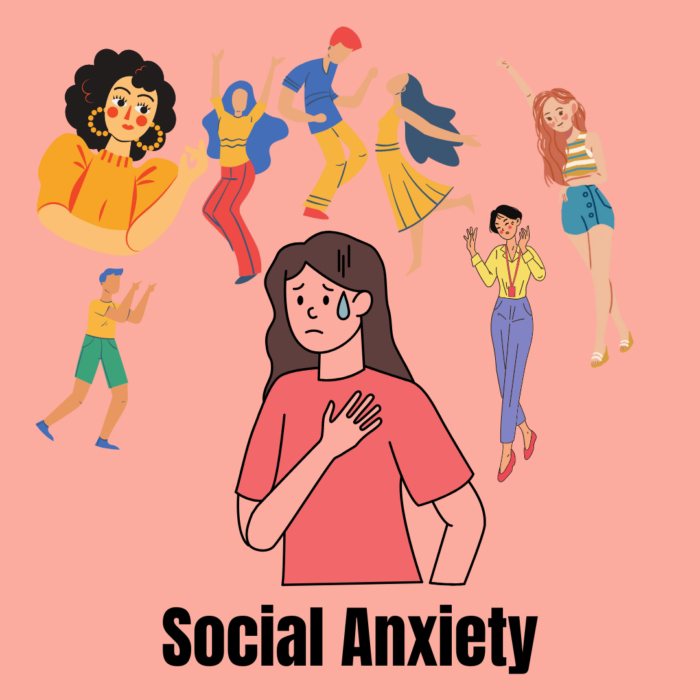
Why people get panic when they are being criticized

At its core, panic comes from the brain’s "threat detection" system going into overdrive—even when the threat isn't physical, but emotional or social.

Here’s a deeper look at where panic comes from:

1. The Amygdala Response (Fight, Flight, Freeze)

Panic starts in the amygdala, the part of the brain that detects danger. When it senses a threat—real or imagined—it sends signals that flood the body with stress hormones (like adrenaline and cortisol).
Even if the "threat" is just someone’s words (criticism, rejection), the brain can react as if you’re in danger.

2. Perceived Loss of Control

Panic often comes when you feel powerless—when something unpredictable, uncomfortable, or overwhelming happens (like sudden criticism), and you don't feel able to handle or stop it.

3. Fear of Negative Outcomes

The mind can quickly jump to worst-case scenarios:

“What if they hate me now?”

“What if I fail and lose everything?”

“What if I look stupid in front of others?”
This mental spiral creates a sense of panic.

4. Past Trauma or Emotional Memory

If your brain links the current situation to a past painful experience (like being shamed, bullied, or rejected), it may trigger panic automatically—even if you consciously know this moment is different.


5. Overactive Nervous System

Some people have naturally sensitive stress responses (possibly genetic or learned). Their body reacts more strongly or quickly to stress, leading to faster or more frequent panic.

In simple terms:

👉 Panic = A sudden flood of fear or anxiety when your brain thinks you're in danger—even if the "danger" is just social or emotional, not physically 

Here’s why many people panic or feel uncomfortable when criticized:

1. Fear of Rejection or Disapproval
Humans are deeply wired to seek acceptance—from family, peers, society. Criticism feels like a threat to this acceptance, triggering anxiety or panic.

2. Ego and Self-Identity Threat
When criticized, especially about things we value (like intelligence, skill, or personality), it feels like our sense of self is being attacked. The mind reacts defensively, sometimes with panic, to protect this self-image.

3. Negative Past Experiences
If someone grew up in a highly critical or judgmental environment, criticism now may unconsciously remind them of those hurtful moments, making the reaction more intense.

4. Low Self-Esteem or Insecurity
People with fragile self-worth often view criticism as confirmation of their worst fears about themselves, which can cause panic or distress.

5. Perceived Imbalance of Power
When the critic holds more power (like a boss or parent), the stakes feel higher. Fear of consequences (losing a job, love, respect) can intensify the emotional reaction.

6. Lack of Emotional Regulation Skills
Some simply haven't learned how to process discomfort or defensiveness calmly. So the reaction feels overwhelming or automatic.

7. Social Conditioning
Many cultures overemphasize success and perfection, making failure or criticism feel catastrophic rather than a normal part of growth.

A helpful reframe:

Criticism, when constructive, can actually be an opportunity for learning or growth—but this perspective only comes with self-confidence, self-awareness, and practice in emotional resilience.

What's imposter syndrome for common meaning

Impostor Syndrome is a psychological pattern where a person doubts their own skills, talents, or accomplishments and has a persistent fear of being exposed as a "fraud" — even when there is clear evidence of their competence.

Key Features:

1. Self-Doubt: Feeling like you don’t deserve success or recognition.
2. Attributing Success to Luck: Believing achievements are due to luck, timing, or others being fooled — not your own abilities.
3. Fear of Exposure: Anxiety that others will "find out" you are not as capable as you seem.
4. Perfectionism: Setting excessively high goals and feeling like a failure if they’re not met perfectly.
5. Discounting Praise: Brushing off compliments or positive feedback as undeserved.

Common Among:

✅High achievers (academics, professionals, creatives)
✅People starting new roles or challenges
✅Minorities in a given field or group (due to feeling "different" or "under scrutiny")

Possible Effects:
✅Stress, anxiety, burnout
✅Avoidance of new opportunities
✅Overworking to "compensate"

It's Important to Know:

Impostor Syndrome is not a clinical disorder — it’s a pattern of thoughts and feelings.
Many highly successful people, like Maya Angelou and Albert Einstein, have admitted feeling like "impostors" at times.

People who experience Impostor Syndrome tend to engage in certain typical patterns of activity or behavior in response to feelings of unworthiness or fear of being “found out” as incompetent. Here are some types of activities that are often done:

1. Overworking

They often work much harder than necessary to prove that they deserve the position or achievement.
Taking on too many tasks in order to be seen as “contributing” more.

2. Procrastination

Delaying tasks because of fear of failure or fear that the work will not be perfect.
Getting caught up in feeling “unprepared” to start or finish something.

3. Perfectionism

Seeking perfect results — sometimes not finishing because of fear that the results are “not good enough.”
Constantly redoing or revising work even though it is actually decent or even very good.

4. Avoidance

Avoiding promotions, new responsibilities, or public speaking opportunities because they feel “not worthy.”
 Not daring to speak or voice opinions in meetings or forums.

5. Seeking Constant Validation (Often Seeking Validation)

Constantly seeking recognition, praise, or confirmation from others to feel confident enough.
Feeling anxious if you don't get positive feedback immediately.

6. Discounting Success (Ignoring Your Own Success)

Underestimating your own achievements ("Oh, it was just a fluke", "Everyone can do that").
Not wanting to acknowledge your own abilities or hard work.

7. Hiding or Faking Competence (Pretending to Know)

Trying to hide ignorance or weaknesses for fear of being considered incompetent.
Reluctant to ask or ask for help even though you really need it.


What is the term for someone who has a lot of money but no success in life


 Hi, today I would like to share about the interesting topic, namely "What is the term for someone who has a lot of money but no success in life", The meaning of this statement is that what is considered wealth is not yet what can be said to be wealth of the heart. A term "wealth but no success" that could describe someone who has a lot of money but no making great contribution in life, it depends on how you define "success." If you mean they lack fulfillment, purpose, or achievement beyond wealth, here are some possible terms or expressions:

Rich but unfulfilled – A general and empathetic way to describe the situation.
Affluent underachiever – Suggests they have wealth but have not achieved much else.
Wealthy failure – Harsher; implies they’ve failed in important aspects of life despite money.
Empty millionaire – Informal, highlighting material wealth but emotional or spiritual emptiness.
Soulless rich – More poetic or judgmental, used in literary or philosophical contexts.
Financially successful but personally lost – A more balanced, descriptive phrase.

Wealth lies in feeling completely sufficient, not feeling like you have excess wealth or excess income, Wealthy people can be considered not successful when their wealth is not accompanied by other core aspects of a meaningful or well-rounded life. Here are several reasons why someone with a lot of money might still be seen (or feel) as unsuccessful:

1. Lack of Purpose or Fulfillment

They may not feel fulfilled by their work or life.

Wealth without passion or purpose can lead to a sense of emptiness.

Example: Someone inherits millions but never finds a reason to get out of bed each day.

2. Poor Relationships

They may have strained family ties, few true friends, or be isolated.

Success often includes emotional connection and healthy social bonds.

3. No Personal Growth

They may avoid challenges, live without discipline, or never develop emotional intelligence.

Stagnation in character, knowledge, or wisdom can signal a lack of deeper success.

4. Ethically or Morally Compromised

If their wealth comes from dishonest or harmful means, society may see them as failed despite riches.

Example: A billionaire whose actions destroyed the environment or exploited workers.

5. Mental or Emotional Struggles

Depression, anxiety, or substance abuse can persist or even worsen with wealth.

Inner peace and well-being are often better indicators of success than money.

6. Lack of Contribution to Others

True success is often tied to impact—how one improves the lives of others.

Wealth hoarded without generosity or positive contribution can appear selfish or hollow.

7. Chasing Status Over Meaning

If someone lives only for status symbols (cars, clothes, homes) without deeper meaning, others might see them as shallow rather than truly successful.

In essence, money is a tool, not a destination. Success is often defined more broadly—through relationships, purpose, growth, and integrity. Without those, even extreme wealth can feel or appear like a hollow victory.