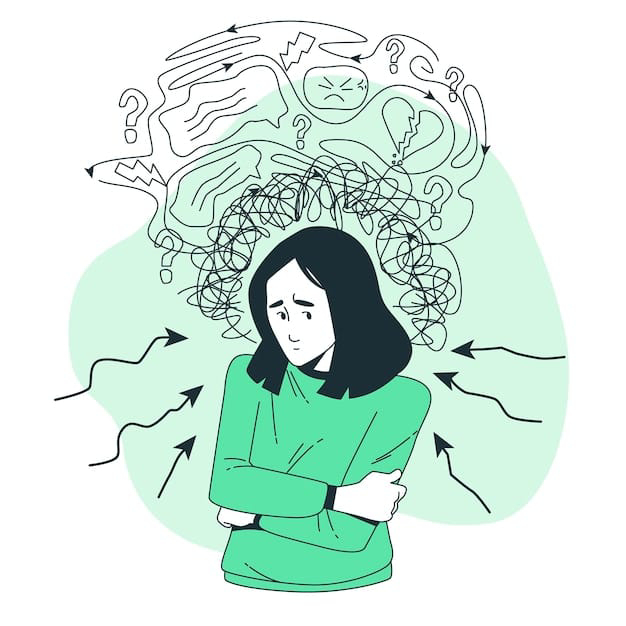
Everything I know about love is giving what I love most to others

  Hi All, today I would like to share about the topic, namely "Everything I know about love is giving what I love most to others", the main reason why I choose the topic because not many people are aware how to express love to others, some people think the act of love is providing a kindness to anyone who seeks help, it is not wrong statement, but let me clarify "act of love is providing the evidence in real life", act of love is not talk something romantically, or promise something to glorify someone's name, if we want others acknowledge what we know about love, so we must build something that can connect between other people's need and our resources, if we just say something romantically to someone we love, it is not sign of love, but it is kind of puppy love, Love often needs evidence because, for many people, it brings reassurance and trust. When people see tangible actions, words, or sacrifices that show commitment and care, it validates their feelings and helps them feel valued. Evidence of love isn't always about big gestures—it can be in the consistency of small actions, like listening, being attentive, showing respect, and standing by each other during tough times.
Evidence in love also helps create a foundation of trust. Since love is an intangible emotion, visible proof (through actions) helps partners, family members, or friends feel secure that their bond is mutual and reliable.
Giving something you love to others involves a willingness to share a part of yourself and the joy that it brings. 
Here’s how you can do it in a meaningful way:

1. Identify What You Love Most About It: Reflect on what makes this thing or experience so valuable to you. Whether it’s an object, skill, or knowledge, understanding what makes it special will help you convey its value when sharing it.
2. Find the Right Time and Context: Choose an appropriate moment to introduce this to others, especially if it’s something new to them. Make it personal and relevant to the situation, so they feel your genuine intention.
3. Share the Experience, Not Just the Thing: If it’s an activity or knowledge, invite them to experience it with you. For instance, if you love cooking, teach them a recipe, or if you enjoy reading, discuss a book you cherish.
4. Explain the Significance: Tell them why it’s meaningful to you. Sharing the story behind it or how it’s impacted your life can help others appreciate it as you do.
5. Be Patient and Open: They may not feel the same connection immediately. Allow them to experience it in their own way, without pushing your feelings onto them.
6. Allow Room for Their Own Interpretation: Let them make their own connection with it. This way, they can develop their appreciation and enjoyment, which can make the sharing feel mutual.

Sharing something you love can create a beautiful bond and help others see a piece of the world through your eyes, remember: sharing something we love is like creating the unconditional love, here is the definition: Unconditional love is love given freely without expecting anything in return. It means accepting someone fully, including their flaws and imperfections, and supporting them regardless of the circumstances. This type of love isn't based on conditions or requirements, such as someone behaving a certain way or meeting specific expectations. Instead, it’s a steady, unwavering commitment to the other person, even during difficult times.
Unconditional love is often seen in certain parent-child relationships, close friendships, or long-term partnerships. It's rooted in compassion, patience, forgiveness, and acceptance. This doesn't mean there are no boundaries or that harmful behavior is tolerated; rather, it means the love remains even when challenges arise.
Ultimately, unconditional love prioritizes the well-being and happiness of the loved one, often placing their needs alongside or even above one’s own desires, while still maintaining a sense of self-respect and mutual respect in the relationship, hopefully this article can give you an insight, good luck.

What makes money can't buy happiness

  Hi all, today I would like to share about the interesting topic, namely "What makes money can't buy happiness", the reason why I choose that topic because not everyone is aware about the truth "money can't buy happiness", okay, let me clarify that sentence to you, the sentence "money can't buy happiness" means money will not give you something beyond the physical world, money is the tool which help human to accelerate or maximize the target's potential, if money can determine human's happiness, why some people try to suicide themselves? Here are some key reasons why money can’t always buy happiness:

1. Hedonistic Adaptation
Humans tend to adapt quickly to change, including increases in living standards. When people reach a certain level of wealth, the initial happiness that comes from money fades, and they start to feel mediocre. This situation leaves them wanting more, but the pleasure they feel is numb / down.
2. Relationships and Social Connections Matter More
Studies show that meaningful relationships with others have a big impact on happiness. Money may help create opportunities to meet people, but true relationships—like love, friendship, and family support—can’t be bought with money.
3. Deeper Life Values
Many people find that they are happier when they live a meaningful life, such as helping others, contributing to society, or achieving important personal goals. These things provide a more lasting sense of satisfaction than materialistic pleasures.
4. Mental Health Doesn’t Always Go Hand in Hand with Wealth
Money may help maintain physical health, but it doesn’t guarantee mental health. Problems like anxiety, depression, or stress can still arise, even for those who are financially well-off.
 5. Pressures and Demands of Wealth
The more money a person has, the greater the responsibilities and expectations they face, such as safeguarding assets, fear of loss, or feeling isolated. These pressures often reduce quality of life and create anxiety.

     Money can provide comfort and access to basic needs, but for deeper and more lasting happiness, non-material factors such as relationships, meaning in life, and mental health are often far more influential. Money can't buy happiness, especially since true happiness comes from things that can't be measured in material terms. Here are some factors that make money unable to fully guarantee happiness:

1. Quality of Relationships
Deep happiness often comes from genuine relationships with family, friends, and partners. Strong emotional connections, affection, and genuine support cannot be bought or measured with money.
2. Meaning and Purpose in Life
Many people feel happier when they have a purpose or feel that their life has meaning. For example, working to help others, achieving dreams, or doing things that make them feel better as individuals. These are things that can only be found through experience and process, not through money.
3. Self-Acceptance and Inner Contentment
Happiness often comes from self-acceptance, gratitude, and inner peace. Money cannot help someone love themselves or feel satisfied with what they have. This process requires deep introspection and self-acceptance.
 4. Stable Mental Health
Many aspects of mental health, such as feeling happy and being free from anxiety or depression, cannot be bought with money. While money can help someone access therapy, ultimately mental stability is the result of internal work that takes time and commitment.
5. Balanced Life
True happiness often comes from a balanced life—between work, time for yourself, and time with loved ones. Pursuing wealth too much can come at the expense of other aspects of life that are more rewarding.

Money may provide comfort and access, but the elements that make up true happiness—like love, meaning in life, self-acceptance, and mental health—cannot be bought and require a process that goes far beyond material things, hopefully this article can give you an insight, good luck.

What's the meaning of the definition of partnership

  Hi all, today I would like to share about the interesting topic, namely "What's the meaning of the definition of partnership", the reason why I choose that topic because not everyone is aware how to differentiate between building partnership and building friendship, Partnership is a relationship between two or more individuals, organizations, or entities who collaborate to achieve common goals, share responsibilities, and divide the benefits or risks of their joint efforts. In a partnership, all parties contribute resources—such as skills, time, or capital—and work together, often with a formal or informal agreement outlining their roles and expectations. Partnerships can exist in various contexts, including business, personal relationships, and social or community initiatives.
The key difference between friendship and partnership lies in their core nature and the expectations that come with each:
1. Purpose:
Friendship is primarily built on mutual affection, trust, and emotional support. It exists for companionship, shared experiences, and personal connection.
Partnership is often goal-oriented and involves collaboration to achieve a specific outcome, like running a business, completing a project, or achieving a mutual objective.
2. Commitment and Responsibilities:
In a friendship, there’s less formal responsibility. Friendships thrive on voluntary support, shared interests, and emotional connection without strict obligations.
A partnership, whether business or personal, involves defined responsibilities and obligations. There are often legal, financial, or practical commitments that both parties agree to.
3. Emotional vs. Functional Focus:
Friendship is centered on emotional closeness, fun, trust, and understanding. It’s more about personal bonding and companionship.
Partnership is more functional, where cooperation and teamwork are key for success in achieving a specific goal. Emotional closeness might not be as central.
4. Longevity:
Friendships are typically long-term, enduring beyond specific tasks or goals.
Partnerships may be temporary, lasting only as long as the goal or project is relevant.

Both relationships can overlap, as some friendships evolve into partnerships, and some partnerships are built on deep friendship. However, their foundation and focus remain distinct, remember that not everyone wants to build partnership, there are several factors, such as:

1. Lack of alignment in goals: Partnerships require a shared vision or purpose. If individuals or entities have different goals or priorities, they may not form a partnership.
2. Trust and compatibility: Partnerships rely on mutual trust, compatibility, and the ability to work well together. Not everyone may find the right partner with whom they can collaborate effectively.
3. Risk aversion: Some people may avoid partnerships because of the risks involved, such as sharing responsibilities, financial exposure, or potential conflicts.
4. Self-reliance: Some individuals prefer working independently and may not seek partnerships because they value control and autonomy over collaboration.
5. Lack of opportunity or resources: Partnerships often require specific resources, networks, or opportunities that might not be available to everyone, limiting their ability to form partnerships.
6. Past negative experiences: Previous negative experiences with partnerships, such as conflict or failure, may deter some from entering into new partnerships.

These factors, along with personal preferences, circumstances, or timing, can influence why not everyone forms partnerships, hopefully this article can give you an insight, good luck.

How to recognize the love bombing signs

  Hi all, today I would like to share about the interesting topic, namely "How to recognize the love bombing signs", the main reason why I choose that topic because not every couple can recognize whether they really get the pure love or not, love bombing is not like a pure love, love bombing is kind of appraisal or puppy love, in order to make a living together with love, we must build act of self love at the first time, if we don't build act of self love, we will become the victim of love bombing, Love bombing is a manipulative tactic where someone overwhelms another person with excessive affection, attention, praise, and sometimes gifts, often early in a relationship, in order to gain control or influence. The person who is doing the love bombing might seem incredibly charming and attentive at first, making the recipient feel special, adored, and swept off their feet. However, this intense attention is usually used to manipulate or control the other person once they are emotionally attached.
Here are some examples of acts of self-love:
1. Setting Boundaries: Learning to say “no” when you feel unable or uncomfortable to do something. This is important so that you don’t feel pressured or burdened.
2. Doing Self-Care: Taking time to take care of your body, such as taking a relaxing bath, skin care, or exercising that you enjoy.
3. Meditation or Self-Reflection: Taking time to reflect, meditate, or just sit quietly to understand your feelings and thoughts.
4. Eating Healthy: Making sure your body gets good nutrition by eating healthy and nutritious foods.
5. Appreciating Yourself: Acknowledging your accomplishments and positive qualities, even if they are small. This can be done by writing a daily journal about the good things you have done.
6. Taking Time to Rest: Taking a break from your routine, work, or technology to recharge your mental and physical energy.
 7. Exercise: Keeping your body active with exercise that you enjoy is not only good for your body but can also improve your mood.
8. Self-Forgiveness: Learn to forgive yourself for past mistakes and be less hard on yourself when faced with failure.
9. Engage in Hobbies: Make time to do activities that make you happy, such as reading, gardening, or painting.
10. Self-Speak Kindly: Avoid negative self-talk and replace it with supportive and loving words to yourself.

Each of these actions is about giving yourself attention and love, which ultimately supports better mental and emotional health.
Avoiding the act of love bombing—where someone showers another person with excessive attention, affection, and gifts in order to manipulate or control—requires self-awareness, setting healthy boundaries, and ensuring your intentions are genuine in a relationship. Here are some ways to avoid love bombing:

1. Pace Your Emotions
Take things slow in a new relationship or friendship. Avoid overwhelming the other person with grand gestures or excessive declarations of affection early on. Healthy relationships build over time.
2. Set Realistic Expectations
Avoid promising too much too soon. Don’t offer emotional support, gifts, or attention that goes beyond what is reasonable at the stage of the relationship.
3. Respect Boundaries
Ensure that you respect the other person’s need for space. Healthy relationships involve mutual respect for each other's independence and time.
4. Be Honest About Your Feelings
Ensure your affection comes from a place of sincerity, not a need for control or validation. Check your motives and make sure your affection is a reflection of genuine feelings.
5. Avoid Overloading Communication
Excessive texting, calling, or checking in can feel suffocating to the other person. Give them time and space to respond and live their own life outside of the relationship.
6. Check for Codependency
Ensure that your emotional well-being isn’t completely reliant on the other person. Building your own interests and maintaining friendships outside of the relationship helps avoid putting too much pressure on the connection.
7. Be Aware of Emotional Manipulation
Avoid using affection or gifts as a way to make someone feel obligated to you. Love bombing often involves manipulating someone into feeling indebted, so ensure your actions are free from this motive.
8. Seek Feedback from Trusted Friends
Sometimes, friends or family may notice unhealthy patterns that you might overlook. Be open to their insights about the pace or intensity of your relationship.
9. Practice Self-Reflection
Regularly check in with yourself to evaluate your actions and intentions in relationships. Ensure that you are coming from a place of healthy affection, not control or insecurity.

By being mindful of these steps, you can foster genuine, balanced connections rather than overwhelming the other person with excessive attention, which may feel manipulative, hopefully this article can give you an insight, good luck.

What's the sign of low emotional intelligence

  Hi, today I would like to share about the interesting topic, namely "What's the sign of low emotional intelligence", the main reason why I choose that topic because many people get angry when they meet with something unpleasant and they are unprepared to meet with new experience in this world, for the average people, they start showing their anger if they reject something that doesn't relate with their expectations,  basically expectation is always hurt, my advice is you must be prepared to meet something that you hate when you see what's approaching you, that's the point we need to learn from the emotional intelligence, recognizing and understanding emotional intelligence is very important for humans for several reasons:

1. Improving Social Relationships: With emotional intelligence, a person can better understand the emotions of others, empathize, and respond to situations appropriately. This helps in building healthier and more harmonious relationships, both personally and professionally.
2. Conflict Management: Emotional intelligence helps a person to be calmer in tense situations, so that they are able to handle conflicts in a more positive and solution-oriented way, rather than with detrimental emotional reactions.
3. Better Decision Making: When a person understands and manages their emotions well, they can make more rational decisions and not be hastily influenced by negative emotions, such as anger or fear.
4. Reducing Stress: Managing emotions well helps a person face the pressures of everyday life more calmly, so that stress does not develop into more serious problems such as burnout or depression.
5. Improving Performance: In the workplace, emotional intelligence is essential for leadership, teamwork, and effective communication. People who have high emotional intelligence tend to be more adaptable and more productive.
 6. Improved Personal Well-Being: By better understanding and managing emotions, one can maintain mental balance, have happier relationships, and generally experience a more fulfilling life.

Overall, recognizing emotional intelligence helps people become more emotionally balanced, have better relationships, and achieve success in various aspects of life.

Here are the Signs that someone has low emotional intelligence include:

1. Difficulty Controlling Emotions: Often experiencing emotional outbursts, such as excessive anger or frustration over small things.
2. Lack of Empathy: Inability or difficulty understanding other people's feelings and perspectives, and lack of attention to their emotional needs.
3. Not Accepting Criticism: Often feeling offended or defensive when criticized, even for something constructive.
4. Difficulty Forgiving and Forgetting: Tends to hold grudges and finds it difficult to let go of other people's mistakes, even though the problem has been going on for a long time.
5. Blaming Others: Tends to blame others for the problems they face and does not want to take responsibility for their own mistakes.
6. Difficulty Communicating: Unable to convey emotions clearly, often misinterpreting communication, or not wanting to listen to other people's opinions.
7. Inability to Manage Stress: Easily feeling anxious or overwhelmed when facing challenges, without effective strategies for dealing with stress.
 8. Insensitive to One's Own Emotions: Difficulty recognizing or identifying one's own feelings, which can lead to confusion in decision-making.

If these signs appear in everyday life, it could be a sign that there needs to be an increase in emotional intelligence.

Why do I like feeling hurt emotionally

  Hi All, today I would like to share about the interesting topic, namely "Why do I like feeling hurt emotionally", the main reason why I choose that topic because many people get hurt emotionally without knowing what's causing it, in the psychology's terminology, it is called "emotional attachment", people get hurt emotionally because there's strong entanglement which is tagged emotionally where they don't want to break from other people's habit, besides that, building a wild expectations can be one of big major that can hurt the individual's mind, people who like getting hurt emotionally because they expect something beyond their own capacity, start from now, don't just demand others to follow what you expect, it would be better if you demand yourself to do something beyond your expectations, if you apply this method, I am very sure you are not going get hurt emotionally anymore.
People get hurt emotionally for a variety of reasons, many of which are tied to our relationships, self-perception, and experiences. Here are the main reasons why people experience emotional pain:

1. Betrayal and Trust Issues
When someone close, such as a friend, partner, or family member, betrays our trust, it can deeply hurt emotionally. Trust is fundamental in relationships, and when it’s broken, feelings of anger, sadness, and insecurity often follow.

2. Rejection and Abandonment
Emotional pain frequently arises from rejection—whether it's rejection from a loved one, peers, or a job opportunity. Being abandoned by someone we care about, such as in the case of a breakup or a close relationship ending, can also leave deep emotional scars.

3. Unmet Expectations
People often set expectations for relationships, career, or personal achievements, and when those expectations aren’t met, it can lead to feelings of disappointment, frustration, and sadness. Emotional hurt can stem from perceived failures or the belief that life isn’t going as planned.

4. Loss and Grief
The death of a loved one or the loss of a significant relationship can cause intense emotional pain. Grief, which is the emotional response to loss, can manifest in sadness, anger, confusion, and even despair as people come to terms with their loss.

5. Emotional Abuse or Manipulation
Being in a relationship where there is emotional manipulation, gaslighting, or abuse can deeply wound someone emotionally. Constant criticism, neglect, or controlling behavior undermines self-worth and can leave lasting emotional scars.

6. Loneliness and Isolation
Humans are social beings and feeling lonely or isolated from others can lead to emotional distress. When someone feels disconnected or unimportant, it often results in sadness, anxiety, and feelings of being unlovable or unworthy.

7. Low Self-Esteem and Self-Criticism
People who struggle with low self-esteem often hurt emotionally because they are hard on themselves. They may constantly feel they are not good enough, comparing themselves negatively to others, or engaging in self-critical thoughts that erode their emotional well-being.

8. Unresolved Trauma
Past traumas, such as childhood abuse, neglect, or other significant emotional wounds, can linger into adulthood and cause recurring emotional pain. Unhealed emotional wounds from the past may resurface when triggered by certain situations, people, or experiences.

9. Unhealthy Attachment Styles
Some people experience emotional pain due to insecure attachment styles formed in early childhood. For example, those with an anxious attachment style may feel constantly worried about being abandoned or not loved enough, leading to emotional distress in relationships.

10. Unreciprocated Love or Affection
Emotional pain can arise when someone’s feelings of love, care, or affection are not reciprocated. Loving someone who doesn’t love you back, or who is emotionally unavailable, can lead to feelings of unworthiness and heartache.

11. Conflict and Misunderstanding
Conflict in relationships, especially when there is poor communication or misunderstanding, can cause emotional pain. Feeling misunderstood, not heard, or devalued in important relationships often leads to hurt feelings and resentment.

12. Perceived Failure or Guilt
Feeling like a failure or experiencing guilt—whether over personal choices, mistakes, or how one has treated others—can cause significant emotional pain. The burden of guilt or the sense of not measuring up to one’s own or others’ expectations can be mentally and emotionally taxing.

13. Judgment and Criticism from Others
Negative judgment, harsh criticism, or social rejection from others can cause feelings of inadequacy, shame, or embarrassment. When someone feels judged or looked down upon, especially by those they care about, it can deeply hurt their emotional well-being.

14. Lack of Purpose or Direction
Some people experience emotional pain because they feel lost or lack a clear sense of purpose or direction in life. This can lead to feelings of hopelessness, emptiness, or existential dread.

In summary, emotional pain often results from unmet needs—whether those needs are for love, security, understanding, or acceptance. Relationships, both with others and ourselves, are a key factor in emotional well-being, and when they are disrupted or strained, emotional hurt is a common result. Healing from emotional pain often involves addressing the underlying causes, seeking support, and learning healthier ways to cope with and manage emotions.

Avoiding emotional hurt entirely is challenging, as human relationships and experiences naturally involve emotional risks. However, there are several strategies that can help reduce the likelihood of getting hurt emotionally and help people manage their emotional responses when challenges arise:

1. Set Healthy Boundaries
Establishing and maintaining healthy emotional boundaries is crucial in protecting yourself from unnecessary hurt. This means knowing your limits in relationships, communicating them clearly, and not allowing others to overstep those boundaries. Healthy boundaries prevent people from being taken advantage of and help avoid overextending emotionally in harmful situations.

2. Manage Expectations
Unrealistic expectations often lead to disappointment and emotional hurt. By managing your expectations—whether in relationships, work, or personal achievements—you can avoid unnecessary pain. Accepting that people are flawed, life is unpredictable, and not everything will go as planned can help protect against deep emotional distress when things don’t work out.

3. Develop Emotional Resilience
Emotional resilience is the ability to bounce back from challenges and emotional pain. Strengthening this skill helps you cope better with disappointment, loss, and failure. Ways to build emotional resilience include:
Practicing mindfulness and emotional regulation techniques, Learning from past experiences to grow stronger, Keeping a balanced perspective on setbacks

4. Cultivate Self-Awareness
Self-awareness involves understanding your emotions, triggers, and vulnerabilities. The more you understand what causes you emotional pain, the better you can anticipate and manage those situations. Self-awareness also helps you recognize when you’re entering potentially harmful situations or relationships, allowing you to protect yourself proactively.

5. Avoid Codependent Relationships
In codependent relationships, people often feel responsible for the emotions and well-being of others, leading to emotional exhaustion and hurt. Learning to maintain your independence while still caring for others is important for emotional well-being. Don’t base your happiness entirely on another person’s actions or approval.

6. Focus on Self-Love and Self-Worth
A strong sense of self-love and self-worth acts as a buffer against emotional hurt. When you value yourself, you are less likely to tolerate mistreatment or toxic relationships. Fostering self-compassion and understanding your intrinsic worth helps ensure that others' actions or opinions don’t easily damage your self-esteem.

7. Communicate Effectively
Misunderstandings and unresolved conflicts often lead to emotional pain. Practicing effective communication, where you express your feelings, needs, and concerns clearly, can help avoid unnecessary hurt. Assertiveness, honesty, and active listening play key roles in preventing emotional wounds caused by miscommunication.

8. Choose Relationships Wisely
Surrounding yourself with supportive, trustworthy, and emotionally healthy individuals reduces the chances of getting hurt. Take time to observe how others treat you and manage their own emotions before investing deeply in a relationship. Be mindful of red flags, such as manipulation, dishonesty, or emotional unavailability, which often lead to emotional pain down the road.

9. Embrace Vulnerability with Caution
While vulnerability is essential in forming deep connections, it’s important to be selective about whom you open up to. Gradually build trust and share your emotions over time, ensuring the other person respects your boundaries and reciprocates your trust. This reduces the chances of being emotionally exposed to someone who may not value or protect your feelings.

10. Let Go of the Need for Control
Much emotional pain stems from trying to control outcomes, especially in relationships or life events that are beyond your control. Learning to accept uncertainty and focus on what you can control—your own thoughts, actions, and responses—helps minimize emotional distress when things don’t go as expected.

11. Avoid Over-Dependence on External Validation,
Relying too much on others for validation, love, or acceptance can make you vulnerable to emotional hurt. Develop a strong sense of internal validation, where you find confidence and worth from within, rather than from external sources. This helps reduce emotional pain when others criticize or reject you.

12. Process Emotions Instead of Suppressing Them
Avoiding emotional pain doesn’t mean suppressing emotions. Suppressed emotions often lead to greater hurt down the line. Instead, acknowledge and process your feelings in a healthy way—whether through journaling, talking to someone you trust, or practicing mindfulness techniques. This helps you deal with emotions as they arise, preventing them from building up into greater pain.

13. Recognize and Exit Toxic Situations Early
One way to avoid deep emotional hurt is by recognizing toxic situations early and taking steps to remove yourself from them. Whether it’s a toxic work environment, friendship, or romantic relationship, it’s essential to identify unhealthy dynamics (such as manipulation, gaslighting, or emotional abuse) and distance yourself before further damage occurs.

14. Focus on Growth and Learning
Adopt a growth mindset that sees challenges and emotional pain as opportunities for personal development. When you view life’s difficulties as chances to learn and grow, emotional setbacks become less overwhelming, and you are better equipped to handle future challenges.

15. Seek Support When Needed
Sometimes, the best way to avoid prolonged emotional pain is to seek help. Whether through therapy, counseling, or talking to trusted friends, getting support can help you gain perspective, heal, and develop better coping strategies for future challenges.

16. Be Present and Avoid Overthinking
Emotional pain often stems from rumination—replaying past hurts or worrying about future problems. Practicing mindfulness and staying present can help you avoid getting stuck in negative thought patterns that intensify emotional pain. Focus on what you can do in the present moment rather than dwelling on what went wrong or fearing what might happen.

By applying these strategies, you can reduce your risk of emotional hurt while developing healthier ways to cope with emotional challenges that arise. While it’s impossible to avoid all emotional pain, building resilience and awareness can help you manage it more effectively.

Social emotional skills for kindergarten

     Hi all, today I would like to share about the interesting topic, namely "Social emotional skills for kindergarten", the main reason why I choose that topic because not many parents can educate / apply the social emotional skill to their children, some parents entrust the teachers who work at the school to apply the social emotional skill, have you ever stayed curious why kindergarten needs to learn social emotional skill ? The reason is, Kindergarten is a critical time for children to learn social-emotional skills because these skills lay the foundation for future success in school and life. Here's why it is important for kindergarteners to develop social-emotional skills:

1. Emotional Regulation: Young children are just beginning to understand and manage their emotions. Learning social-emotional skills helps them identify their feelings and develop strategies to calm themselves when they are upset or excited. This emotional regulation is key for reducing stress and maintaining focus.
2. Building Relationships: In kindergarten, children interact with peers, teachers, and other adults outside of their family for the first time. Social-emotional skills help them navigate these new relationships, cooperate with others, share, take turns, and resolve conflicts.
3. Developing Empathy: Early exposure to social-emotional learning helps children recognize and understand the feelings of others, which is essential for developing empathy. This leads to kinder interactions and fewer conflicts with peers.
4. Improved Learning Readiness: When children feel emotionally secure and know how to interact positively with their peers, they are better able to concentrate on learning. Social-emotional competence supports academic success by creating a positive classroom environment.
5. Positive Behavior: Social-emotional learning promotes behaviors like following instructions, paying attention, and self-control. This leads to fewer disruptions in the classroom and helps children adapt to structured environments.
6. Foundation for Lifelong Success: The skills learned in kindergarten, such as cooperation, problem-solving, and emotional regulation, will continue to benefit children throughout their lives. They help in forming healthy relationships, coping with challenges, and making responsible decisions.

In short, teaching social-emotional skills in kindergarten helps children become well-adjusted, compassionate, and successful in both academic and social settings, for kindergarten-aged children, social-emotional skills are crucial for their development. Some key skills that can be applied at this stage include:

1. Self-Awareness: Helping children recognize their own emotions and express them appropriately. Activities like "emotion charts" or story time where children identify how a character is feeling can build this skill.
2. Self-Regulation: Teaching children how to manage their emotions, like calming down when upset. Techniques like deep breathing exercises, quiet corners, or visual aids (like stoplights for behavior) help with emotional regulation.
3. Social Awareness: Encouraging empathy and understanding of others' feelings. Reading books about diverse experiences and discussing how others may feel in certain situations fosters this skill.
4. Relationship Skills: Helping children develop skills to work with others, share, and communicate. Group activities, role-playing scenarios, or guided playtime teach cooperation and active listening.
5. Responsible Decision-Making: Teaching children to make thoughtful decisions. Offering choices in daily routines, explaining consequences in simple terms, and asking questions like "What could you do next time?" help build this skill.

Integrating these skills into daily routines helps children build a strong foundation for emotional and social development, the question right now is "why not every parent feel urgency to teach their children with social emotional skill?"  because some parents have prioritized their own private life rather than their future's children, hopefully this article can give you an insight, good luck. 

Client relationship management skills

   Hi All, today I would like to share about the interesting topic, namely "Client relationship management skills" , the main reason why I choose that topic because this skill is very unique and very useful, besides that, this skill can help people to increase their reputation, increase their personalities and increase their networking, Maintaining a strong relationship with clients is crucial for several reasons:
1. Trust and Loyalty: A good relationship builds trust, which can lead to client loyalty. Loyal clients are more likely to continue doing business with you and refer others to your services.
2. Customer Retention: It is often more cost-effective to retain existing clients than to acquire new ones. A strong relationship increases the likelihood of repeat business.
3. Understanding Client Needs: Regular communication and rapport with clients allow you to better understand their needs and provide tailored solutions, improving client satisfaction.
4. Problem Solving and Feedback: A good relationship opens the door for honest feedback, which can help you address issues early and improve your services.
5. Competitive Advantage: Businesses with strong client relationships stand out from competitors, as customers often value the personal connection and reliability as much as the service or product itself.
6. Business Growth: Happy clients are more likely to become advocates for your business, driving growth through word-of-mouth and positive reviews.

In summary, strong client relationships foster trust, retention, and business growth, making them a key component of long-term success.
Building and maintaining strong client relationships is key to long-term success. Here are some important skills for client relationship management:

1. Effective Communication: Be clear, concise, and transparent in all communications. Listen actively and ask questions to fully understand the client’s needs.
2. Empathy: Understand and acknowledge the client’s concerns, goals, and challenges. This helps in building trust and rapport.
3. Responsiveness: Be quick in addressing client inquiries and resolving issues. This demonstrates commitment and reliability.
4. Adaptability: Be flexible to adjust to the client’s preferences and evolving needs. Adapt your services or communication style when necessary.
5. Problem-Solving: Approach challenges proactively and offer solutions that meet or exceed the client’s expectations.
6. Professionalism: Maintain a professional demeanor in all interactions. Respect deadlines, and consistently deliver quality work.
7. Building Trust: Follow through on promises, maintain confidentiality, and be honest in all dealings to create a foundation of trust.
8. Client Education: Educate clients on your products, services, and processes. Helping them understand how things work can foster collaboration and trust.
9. Networking: Stay engaged with your clients, even outside of active projects. Keep them updated on new developments or opportunities that could benefit them.
10. Emotional Intelligence: Being able to manage your emotions and understand the emotions of your client can enhance the relationship by fostering deeper understanding and rapport.

Developing these skills can help in sustaining a positive and productive client relationship over time, in addition, defining the type of client you choose to work with is important for aligning your business strategy and ensuring long-term success. Here are some steps and factors to consider when defining your ideal client type:

1. Identify Your Niche
Industry: What specific industry or sectors do you specialize in? For example, healthcare, finance, technology, or retail.
Type of Business: Do you prefer working with small businesses, startups, or large corporations?
Services/Products: Which clients are most likely to benefit from your specific services or products?

2. Understand Client Needs
Problems to Solve: What challenges do your ideal clients face that your business can solve? Look for clients who require the solutions you are best equipped to provide.
Budget and Resources: Do they have the budget to afford your services or products? Understanding financial capacity is key to avoiding mismatches in expectations.

3. Demographic and Psychographic Traits
Size: What is the size of the company (number of employees, annual revenue, etc.)?
Location: Are your services more suitable for local, regional, national, or international clients?
Decision-Making Style: Does your ideal client prefer long consultations or quick decisions? Understanding their approach to decision-making is crucial for compatibility.

4. Client Behavior
Communication Style: Do they prefer formal, structured communication or a more casual, flexible approach?
Long-Term Relationship vs. One-Time Projects: Are you looking for clients interested in ongoing partnerships, or are one-off projects acceptable?
Expectations: Do they have realistic expectations about timelines, deliverables, and costs?

5. Values Alignment
Cultural Fit: Do the client’s values align with your business ethics, culture, and vision? Clients with similar values tend to have better long-term relationships.
Sustainability and Social Responsibility: Do they value sustainable practices or corporate social responsibility if that’s important to your business?

6. Profitability and Growth Potential
Lifetime Value: Will this client provide long-term profitability, or will they require more resources than the revenue they bring in?
Scalability: Is their business scalable? As they grow, can your relationship grow too, benefiting both parties?

7. Past Experience and Feedback
Historical Data: Review your past clients and look for trends—what type of clients were the most profitable, easiest to work with, or offered the most growth potential?
Client Testimonials and Feedback: Clients who provide positive feedback and appreciate your work are usually good indicators of the type of client you want.

8. Risk Tolerance
Stability: Is the client financially stable or in a high-risk situation? Riskier clients may require higher rewards or special terms.
Dependability: Are they known to make late payments or change project scopes frequently? This can be a red flag to avoid.

9. Client’s Goals and Vision
Future-Oriented: Clients with clear long-term goals who align with your growth vision are more likely to result in a sustainable relationship.
Collaborative Mindset: Are they willing to work together to achieve mutual success, or do they tend to dominate the partnership?

10. Red Flags
Difficult Clients: You may want to avoid clients who have a history of being difficult, micromanaging, or constantly changing the scope of work.
Mismatch of Needs and Services: Avoid clients who don’t actually need your core services or are looking for something outside your expertise.

By defining these criteria, you can better focus your marketing and outreach efforts on clients who match your ideal profile, leading to more successful and harmonious business relationships.

Beginning of wisdom is the fear of the lord

   Hi all, today I would like to share about the interesting topic, namely "beginning of wisdom is the fear of the lord", the main reason why I choose that topic because not everyone believes in Almighty God, based on the data from Psychological research, people who lack fear of God, they tend to get more stress, depression and other mental illness, now the question is how we fear the Lord ?, the first thing we must do is know the rule of God, the rule can be obtained from the religion or the holy book, The concept of fearing God, especially in religious contexts, often refers to a deep respect, reverence, or awe rather than fear in the conventional sense. Here are a few reasons why people are encouraged to "fear" God in various religious traditions:
1. Respect for Divine Power: Fear of God acknowledges His supreme power and authority over all creation. It's a recognition of the greatness of God and the realization of human limitations.
2. Moral Accountability: Fear of God can inspire people to act ethically and responsibly. It reminds believers that their actions have consequences and that they are accountable to a higher power.
3. Guidance and Wisdom: In some scriptures, fearing God is seen as the beginning of wisdom, fearing to God can lead human to humility and a desire to follow divine guidance, resulting in a more righteous life.
4. Love and Devotion: In many faiths, fear of God is intertwined with love. It isn't about being terrified of punishment, but about a deep love and respect for God that leads to obedience and reverence.
5. Spiritual Growth: Fear of God can foster spiritual growth by encouraging self-reflection, repentance, and a deeper connection to the divine.

Maybe there's question, what's relationship between wisdom and fear to the lord, this concept highlights several key connections between wisdom and the fear of the Lord:

1. Foundation of Wisdom: The fear of the Lord is seen as the starting point or foundation of true wisdom. It suggests that recognizing God's authority and aligning oneself with His will is the first step toward gaining deeper insight and understanding.
2. Humility and Openness: Fear of the Lord implies humility. It involves recognizing that human knowledge is limited, and that ultimate wisdom comes from God. This humility opens the way for learning, growth, and deeper understanding of life's truths.
3. Moral and Ethical Living: Wisdom in religious texts is not just intellectual; it’s also moral. The fear of the Lord guides a person toward righteous behavior, helping them discern right from wrong. Wisdom in this sense is not just about knowledge but about making sound, ethical decisions in everyday life.
4. Dependence on God: True wisdom, according to the Bible, is not about relying on one's own intellect or strength but on trusting and revering God. The fear of the Lord fosters a dependence on divine guidance rather than self-sufficiency.
5. Spiritual Insight: Fear of the Lord brings spiritual wisdom, enabling a person to see life from a divine perspective. It allows them to understand the deeper meaning and purpose behind creation, life, and their relationship with God.

In short, fearing the Lord is portrayed as the key to unlocking the path to wisdom because it brings reverence, humility, and an openness to God's guidance.

Irrational fear defines

       Hi all, today I would like to share about the interesting topic, namely "irrational fear defines", the main reason why I choose that topic because many people build irrational fear through their bad experience and they magnify their irrational fear through avoiding the location which may remind them with irrational fear, you may have a question, "where does the irrational fear come?" Irrational fear, or phobia, can arise from several factors, both psychological and biological. Here are some common causes:
1. Traumatic Experiences: Past traumatic or frightening events can trigger irrational fears. For example, a person bitten by a dog might develop a phobia of dogs.
2. Learned Behavior: Fear can be learned through negative associations. If someone associates a neutral situation or object with fear (like storms after seeing damage from a storm), they may develop an irrational fear of it.
3. Environmental Influences: The environment, including family or social context, can contribute to the development of irrational fears. Children may adopt fears from parents or others around them.
4. Genetic and Biological Factors: Some studies suggest a genetic predisposition to anxiety disorders or phobias. People with a family history of anxiety may be more prone to develop irrational fears.
5. Brain Chemistry Imbalances: Neurotransmitter imbalances, like serotonin or dopamine, can affect how the brain processes fear, potentially leading to heightened or irrational fears.
6. Psychological Development: Childhood experiences and upbringing can play a role. If children face situations where they feel unprotected or unsupported, they may develop excessive fears later on.

In most cases, irrational fears are exaggerated compared to the actual threat and can interfere with daily life, we must be careful, if we don't build new strong habit, the irrational fear will define something for us, you may ask "when the irrational fear happens?" the irrational fears will define something, a person’s perception of an object, situation, or our experience until it become severely distorted into our mindset. In this condition, irrational fears affect not only how we respond to things, but also how we perceive, we understand, or how we give meaning to the experience. Here are some of the effects:

1. Avoidance: A person may actively avoid the object or situation they fear, even if it doesn’t pose a real threat. For example, someone with an irrational fear of heights might avoid climbing tall buildings or even looking at pictures of skyscrapers.
2. Perceptual Distortion: Irrational fears can cause a person to view things in an exaggerated or distorted way. For example, someone with an insect phobia might see a small insect as a much bigger threat than it really is.
3. Self-Limitation: Irrational fears can limit a person in terms of daily activities or life decisions. They may turn down new opportunities or experiences because they are driven by their irrational fear.
4. Exaggerated Emotions: Phobias or irrational fears can cause intense emotional reactions. Even when the actual threat is small or nonexistent, the fear response can be overwhelming, such as severe anxiety, panic, or even a panic attack.
5. Identity Formation: If an irrational fear persists for a long time, a person can begin to define themselves by that fear. They may think, “I’m a person who’s afraid of flying,” or “I can’t be in crowded places,” and this can limit their view of themselves.
6. Loss of Objectivity: Irrational fears often make it difficult for a person to be objective. They may have difficulty seeing that their fear is illogical, even when presented with evidence or explanations to the contrary.

An irrational fear defines something when it takes over the way a person perceives reality and directs their behavior and decision-making, even when the fear is not based on a real threat.

Don't let fear define you


Hi all, today I would like to share about the interesting topic, namely "don't let fear define you", the main reason why I choose that topic because many people let their fear dominating their lives until they can't do something useful and meaningful, if we use another perception from psychological review: Fear is a natural emotional response to perceived danger or threats. It helps humans survive by triggering a "fight, flight, or freeze" reaction in the face of a dangerous situation. Fear arises from various factors:

1. Biological Response: The brain's amygdala plays a key role in detecting threats, activating the body's defense mechanisms such as an increased heart rate, rapid breathing, and heightened alertness.
2. Evolutionary Function: Fear evolved to protect us from harm by making us avoid dangerous situations, animals, or environments.
3. Personal Experiences: Past traumatic or negative experiences can condition a person to fear certain things. This can lead to phobias or anxiety disorders.
4. Learned Behavior: Fear can also be learned by observing others. If someone sees another person respond with fear to a certain stimulus, they might adopt that fear themselves.
5. Uncertainty or Lack of Control: People often fear situations where they feel uncertain or unable to control the outcome, such as the unknown, illness, or death.

Though fear is meant to protect us, it can sometimes become excessive or irrational, leading to anxiety or avoidance behaviors that negatively affect one’s life, Minimizing the negative side effects of fear involves both mental and physical strategies. Here are some effective ways to reduce the impact of fear:

1. Identify and Understand the Fear
Acknowledge your fear and understand what triggers it. Knowing the root cause helps in managing it better.
Distinguish between real and imagined fears—understanding whether the fear is based on a real threat or an exaggerated perception.

2. Practice Relaxation Techniques
Deep breathing exercises: Slow, deep breaths help calm the body's stress response.
Progressive muscle relaxation: Tensing and relaxing muscle groups can reduce physical tension caused by fear.
Meditation and mindfulness: These practices increase awareness and help you stay present, reducing fearful thoughts about the future or past.

3. Cognitive Behavioral Therapy (CBT)
Challenge negative thoughts: Replace fear-driven thoughts with more balanced and rational ones.
Gradual exposure therapy: Slowly confronting the fear in controlled steps can help desensitize the brain, reducing the intensity of the fear response over time.

4. Healthy Lifestyle Habits
Exercise: Physical activity can reduce stress hormones and increase mood-enhancing chemicals, like endorphins.
Balanced diet: Certain nutrients, like omega-3 fatty acids, magnesium, and B vitamins, can help regulate mood and reduce anxiety.
Adequate sleep: Rest is critical for emotional regulation and reducing anxiety.

5. Build Emotional Resilience
Positive self-talk: Encourage yourself with constructive thoughts, replacing "I can't" with "I can handle this."
If we develop coping skills: we can cultivate problem-solving skills to face fearful situations calmly and with confidence.

6. Seek Professional Help
For persistent or severe fears that impact daily functioning, talk therapy, counseling, or medication might be helpful.

7. Social Support
Talking about your fears with friends, family, or a support group can provide reassurance and help you gain new perspectives on handling them.

8. Exposure to Fearful Situations
Gradual, controlled exposure to what you fear can help desensitize the response over time. This can rewire your brain to recognize that the perceived threat isn’t as dangerous as it seems.

By combining these approaches, the negative effects of fear can be minimized, allowing individuals to live more balanced and less anxious lives.

What does it means to fear god

  Hi, today I would like to share about the interesting topic, namely "What does it means to fear god", the reason why I choose that topic because not everyone fears to God, if we research from psychological point of view, people don't fear God because they want to behave like a God, meaning, people will show their strength as if they predetermined everything they have experienced without communicating with something bigger than people's strength, the question is "why people should fear God if they already become God?", that's make a sense, God in human can become a popularity, reputation, material world, knowledge, experience, super connection with other people, etc.
"Fear of God" is a phrase often used in religious contexts to express deep reverence, respect, and awe for God. It doesn't necessarily mean being afraid of God in the same way one might fear danger, but rather having a profound awareness of God's power, holiness, and justice, which inspires humility and obedience, In many religious traditions, the "fear of God" is seen as a guiding principle that encourages people to live ethically, follow God's commandments, and be mindful of their actions. It reflects both respect for God's authority and recognition of human limitations.

Remember this note: not everyone fears God for several reasons, which can vary based on personal beliefs, upbringing, culture, and philosophical outlooks:

1. Different Beliefs: People come from diverse religious and spiritual backgrounds. Some follow religions where the concept of fearing God is central, while others may belong to belief systems that do not emphasize this idea or interpret it differently, For example, some people may see God as loving and compassionate rather than as a figure to be feared.
2. Atheism and Agnosticism: Some individuals do not believe in God (atheists) or are unsure about God's existence (agnostics). For these people, fearing God is not relevant because they do not recognize a divine being as part of their worldview.
3. Cultural Differences: In some cultures, the emphasis on fearing God is less prominent, and instead, the focus may be on personal spirituality, humanism, or different ethical principles that do not rely on a fear-based relationship with a deity.
4. Individual Interpretations: Even within religious traditions, people have varying interpretations of what it means to "fear God." Some may see it as respect or reverence, while others may not feel the need for fear if they view God as a purely loving figure.
5. Life Experiences: Personal experiences, whether positive or negative, shape how people relate to the concept of God. Some may feel disconnected or indifferent due to challenges, loss, or disillusionment, leading them to not feel fear or reverence toward God.

Ultimately, the idea of fearing God is deeply personal and varies widely based on individual, cultural, and philosophical factors, as long as we consider God resides in our ego appeal, afterwards, we will never feel God.