How to solve problem of unemployment


     Today I want to convey an interesting topic, namely "how to solve problem of unemployment" if you ask me why finding a job is difficult because the school education system teaches something that is not needed in the world of work, The average education system taught in schools is teaching how to be someone who memorizes things, teaching students to hate mistakes, hate rejection, many students are punished simply for making non-criminal mistakes, As long as the education system teaches students to hate failure in the learning system, there will be no innovation in the thinking of the younger generation, Basically not all failures are in vain, Solving unemployment is complex and often requires a combination of strategies, including:

1. Education and Training Programs: Providing opportunities for people to learn new skills or upgrade existing ones to match the needs of the job market.
2. Economic Policies: Implementing policies that encourage investment, entrepreneurship, and job creation.
3. Support for Small Businesses: Small businesses are major drivers of employment. Supporting them through incentives, loans, and mentorship programs can stimulate job growth.
4. Infrastructure Development: Investing in infrastructure projects creates jobs directly and indirectly, while also improving economic competitiveness.
5. Labor Market Flexibility: Policies that promote flexibility in the labor market, such as reducing barriers to hiring and firing, can encourage businesses to hire more workers.
6. Promoting Innovation and Technology: Embracing technological advancements and innovation can lead to the creation of new industries and job opportunities.
7. Social Safety Nets: Providing unemployment benefits, job training programs, and other forms of social support can help alleviate the impact of unemployment on individuals and families while they seek new employment.
8. Encouraging Remote Work and Telecommuting: Especially relevant in light of the COVID-19 pandemic, promoting remote work options can provide job opportunities to those who may not be able to work in traditional settings.
9. Addressing Structural Issues: Identifying and addressing underlying structural issues such as discrimination, inequality, and lack of access to opportunities can help ensure that employment opportunities are available to all segments of society.
10. International Cooperation: Addressing unemployment often requires collaboration between countries, particularly in areas such as trade, migration, and economic development.

     The 10 things written above are a form of strategy to follow up on the number of unemployment, Besides that, Implementing these strategies can optimize the amount of increase in productivity among the productive age group, the more often we provide training to the younger generation, the more it reduces unemployment rates over time, Apart from that, the central government must also provide uncomplicated requirements to job seekers, if job requirements are made more difficult, more job seekers will not pass the selection, The following are examples of unreasonable requirements in job seeking: work under pressure, maximum age 25, attractive appearance, must have studied at a Bachelor's degree university, hopefully this article can provide insight and inspiration, good luck.

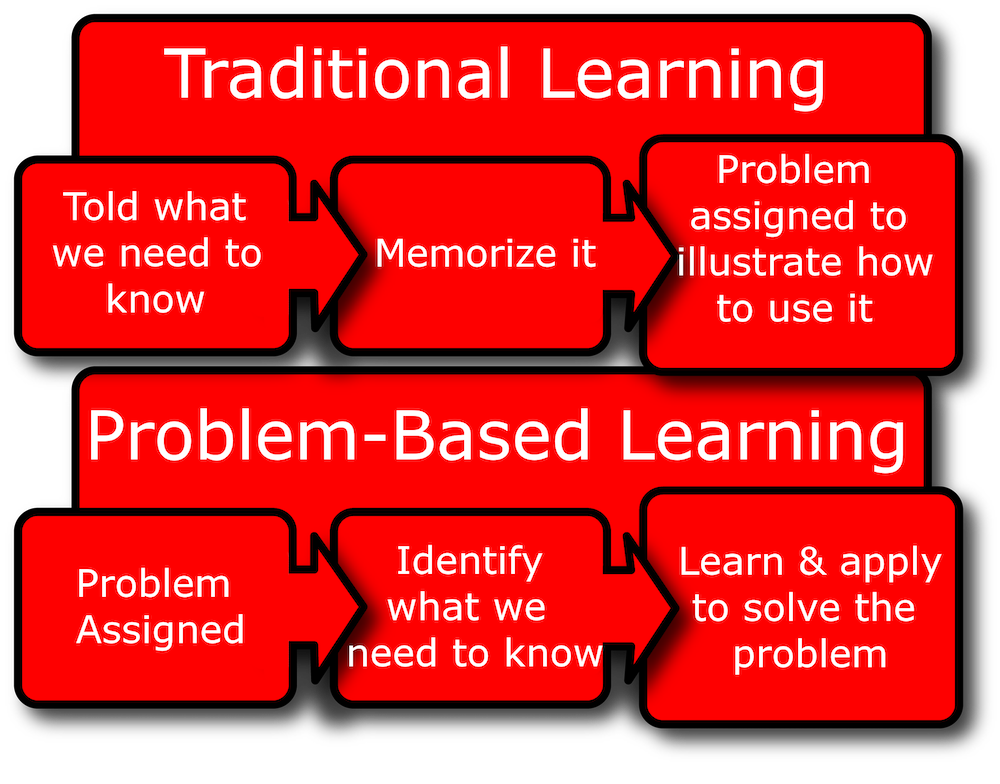
The Problem is existed to keep us learning

    Today I want to explain an interesting topic, namely "The problem is existed to keep us learning", The main reason why I chose this topic is because many people don't understand the function of learning and the function of problems, Many people think that problems come from the source of disaster, but it's not like that, The problem is aimed at measuring human abilities and increasing human awareness, so there is no reason for us to hate problems, The most important thing is that we can change or update the way we learn, if we don't update our way of learning, then we will face the same mistakes over and over again, addressing recurring problems effectively requires a systematic and structured approach. Here are some steps that can help you resolve recurring problems:
 
 1. Identify the root of the problem: Try to find out what is causing the problem to recur. Is there a particular pattern or underlying cause? By understanding the root of the problem, you can find more effective solutions.
 2. Create an action plan: After identifying the root of the problem, create a clear and detailed action plan. Determine the concrete steps you need to take to resolve the problem.
 3. Implement the right solution: Consistently implement the action plan you have created. Make sure to involve all relevant parties and provide the necessary support.
 4. Evaluate results: After implementing the solution, evaluate the results. Is the recurring problem still occurring or has it been resolved? If problems persist, consider adjusting or finding alternative solutions.
 5. Learn from experience: Take lessons from every problem you face. Identify what works and what doesn't work. By learning from experience, you can improve your ability to overcome problems in the future.
 
 Remember that dealing with recurring problems requires patience and persistence. Don't hesitate to seek help from others if needed, such as friends, family, or experienced professionals.

  We don't need to be afraid when problems come our way because there are times when we can't avoid them, we just need to do something that the problem wants and start identifying what we haven't done, keep in mind that we should not dictate life because basically we don't know what will happen in the future, we just need to do what the problem requires of our efforts, Identifying the root of recurring problems can be challenging, but there are several steps that can help you in this process. Here are ways to identify the root of recurring problems:
 
 1. Reflection and Introspection: Take time to reflect and examine yourself. Ask yourself if there are recurring patterns in situations that produce the same problems. Pay attention to your emotions, thoughts and actions when facing these problems.
 2. Situation Analysis: Review situations or events involving recurring problems. Identify factors that may influence or trigger the problem. See if there are certain patterns, certain people, or certain environments involved in the problem.
 3. Observation and Observation: Carefully observe situations when recurring problems occur. Pay close attention to what happens before, during, and after the problem arises. Note down all relevant details and try to figure out patterns or relationships between the factors involved.
 4. Talk to Others: Discuss recurring problems with those closest to you, such as family, friends, or coworkers. They may have a different point of view and can provide new insight into the root of the problem that you may have missed.
 5. Use Analysis Techniques: There are several analysis techniques that can help identify the root of the problem, such as the Ishikawa (Fishbone) Diagram, Pareto Analysis, or 5 Whys Analysis. These techniques help in digging deeper and finding the underlying cause of recurring problems.
 6. Consult a Professional: If recurring problems persist and are difficult to identify, consult an experienced professional, such as a psychologist, counselor, or other relevant expert. They can help see problems from a different perspective and provide more in-depth guidance.
 
 During the process of identifying the root of the problem, it is important to remain open and objective. Don't hesitate to record your findings and seek help if needed. Hopefully these steps help you in identifying the root of recurring problems, hopefully this article can provide new insights and experiences, good luck.

Problem behaviors are culturally determined

   Today I want to convey an interesting topic, namely "Problem behaviors are culturally determined", The main reason why I chose that topic is because not many people realize that problematic behavior is shaped, If you ask me why many people are not aware of their problematic behavior because of parenting that does not emphasize ethics and morals, Problem behaviors can be culturally determined because cultural norms, values, and expectations shape individuals' understanding of what acceptable or unacceptable behavior within a particular society is. What may be considered problematic in one culture might be tolerated or even encouraged in another. Cultural influences impact various aspects such as family dynamics, education systems, social structures, and religious beliefs, all of which contribute to shaping behavioral norms and responses to deviant behavior.
Culture plays a significant role in shaping our values, beliefs, and norms. It's like a lens through which we view and understand the world. Here's how:
 
1. Values: Culture determines what we deem important in life. For example, some cultures value individualism and self-reliance, while others emphasize community and cooperation. These values then influence our decisions and attitudes.
2. Beliefs: Our beliefs about what is true and false are often shaped by our culture. For instance, religious beliefs are heavily influenced by cultural traditions. Similarly, our beliefs about social issues, like gender roles or family structures, are also molded by our cultural background.
3. Norms: Norms are the unwritten rules about how to behave in a society. They guide our behavior and let us know what is considered acceptable or unacceptable in our community. For instance, cultural norms dictate how we should dress, how we interact with others, and even how we express our emotions.
4. Perception of the World: Culture also shapes our perception of the world and our place in it. It influences how we interpret experiences, how we react to situations, and how we relate to others.
5. Identity: Culture contributes to our sense of identity and belonging. It gives us a sense of who we are and where we come from, which can influence our values and beliefs.
 
So, culture is like a compass guiding us through life. It's not fixed and can change over time, but it provides a framework that helps us make sense of the world around us, Culture can significantly influence our perception of right and wrong. This is often referred to as cultural relativism, which is the idea that concepts of right and wrong are not absolute but are instead determined by the cultural context. For example, in some cultures, it's considered perfectly acceptable for parents to arrange marriages for their children, while in other cultures, this practice might be seen as a violation of individual rights and personal freedom, Similarly, in some societies, it's considered disrespectful to question authority or elders, while in others, open dialogue and questioning are encouraged as a means of growth and understanding, These examples show that our understanding of what is moral, ethical, and acceptable can vary greatly depending on our cultural background. It's important to remember that our cultural lens can shape our judgments and perceptions, and what we consider to be "right" or "wrong" might not be viewed the same way in a different cultural context, Hopefully this article can provide benefits and insight, good luck.

Every problem shared is a problem halved

        Today I would like to share about the topic "Every problem shared is a problem halved", the main reason why I choose that topic because Many people experience confusion when facing problems that are considered burdensome on their minds, To overcome this problem, usually someone will do something unusual, such as telling someone else about the problem or they will borrow capital from people who have cash capabilities, I'm not saying this method is wrong, but I think they are in a hurry to make a quick decision,  In psychology, the more a problem is told to other people, the stronger and more widespread the problem becomes. To overcome the pattern of problems that have become bigger, we as humans should not exaggerate the problem, an effective way to reduce the volume of problems is by dividing the types of problems into smaller looks, e.g. We can provide when it will be reviewed, who will be involved, what the next steps will be, what we can dig up, what data we need, please don't start things by opening the question "why did this problem occur?", it's the same as looking for a scapegoat. 

Sharing problems with others is a common human behavior and there are several reasons why people do it.
 
1. Emotional Support: When people share their problems, they often seek emotional support. It's comforting to know that others understand what we're going through and can offer empathy and compassion.
2. Seeking Advice: Sometimes, people share problems because they're looking for advice or a different perspective. Others might have experienced the same issue and can provide helpful insights or solutions.
3. Stress Relief: Talking about problems can also be a form of stress relief. It allows people to vent their feelings and frustrations, which can help reduce anxiety and make them feel better.
4. Connection: Sharing problems can also deepen relationships. It shows trust and vulnerability, which can strengthen bonds between people.
5. Resolution: Sometimes, the act of talking through a problem can lead to a resolution. The process of explaining the issue to someone else can help clarify the problem and might even lead to a solution.
 
Remember, it's always okay to share your problems with others. We all need help sometimes, and it's important to lean on our support systems when we're struggling, you're never alone, when we share our problems with others, it can provide emotional support in several ways:
 
1. Validation: When you share your feelings and someone else acknowledges them, it can validate your experiences. This validation can make you feel understood and less alone in your struggles. It's comforting to know that what you're feeling is normal and okay.
2. Empathy: When others listen to our problems, they can offer empathy. They may not be able to solve the problem, but just knowing that someone else cares and understands can be a great source of comfort. It's like a warm hug for your emotions. 
3. Encouragement: Sharing problems often leads to words of encouragement from others. They can provide reassurance that you are strong enough to overcome the challenges you're facing. This can boost your confidence and morale, helping you to cope better. 
4. Comfort: Sometimes, just the act of talking about what's troubling us can provide a sense of relief. It's like releasing a burden that you've been carrying alone. Having someone to share that burden with can provide immense comfort. 
5. Perspective: Others can provide a fresh perspective on our problems. They might see things that we've missed or offer a different angle that we hadn't considered. This can help us to view our problems in a new light and manage our emotions better. 
 
Remember, it's okay to lean on others for emotional support when you're facing problems. We all need a little help sometimes, Hopefully this article can provide insight and inspiration, good luck.

Why the problem repeatedly occurred


       Today I would like to share about the interesting topic namely "Why the problem repeatedly occurred", The main reason I chose this topic is because many people experience this situation and don't know what to do, If you ask me the main reason many people let their problems repeat themselves is because they don't understand how to get out of such a condition, In my opinion, the reason someone lets problems happen is because they think about something that doesn't concern them, they actually avoid the problem and try to find blame for the situation, There could be various reasons why a problem keeps occurring. Here are a few possibilities:
 
1. Lack of understanding or clarity about the problem: Sometimes, we may not fully understand the problem, which prevents us from addressing it properly.
2. Inadequate solution: The solution implemented may not be effective or comprehensive enough to fully resolve the issue.
3. External factors: There could be external factors or circumstances that are causing the problem to reoccur, such as environmental conditions, other people's actions, etc.
4. Systemic issues: If the problem is part of a larger system, there may be systemic issues that keep causing the problem.
5. Lack of resources: Sometimes, a lack of resources (time, money, manpower, etc.) can prevent us from fully addressing the problem.
6. Habitual behavior: If the problem is caused by a certain behavior, it can keep recurring if the behavior is not changed.
 
   Of course, without more specific details about the problem, it's difficult to pinpoint the exact cause. If you want, you can share more about the situation, and I might be able to provide a more tailored response, improving understanding of a recurring problem is crucial to find an effective solution. Here are some strategies that might help:
 
1. Identify the Root Cause: Use problem-solving methodologies like the "5 Whys" technique. This involves asking "why?" five times to drill down to the root cause of the problem.
2. Data Analysis: Collect and analyze data related to the problem. Look for patterns and trends that might give clues about what's causing the problem.
3. Consult Others: Talk to other people who are familiar with the problem. They might have insights or perspectives that you haven't considered.
4. Research: Look for information about similar problems faced by others. There might be case studies, articles, or forums that can provide useful insights.
5. Reflect and Learn: After each occurrence of the problem, take some time to reflect on what happened and why. What can you learn from this instance? How can it inform your understanding of the problem?
6. Experiment: Try different approaches to solving the problem and observe the results. This can help you understand what works and what doesn't.
 Remember, understanding a problem deeply is the first step to finding a permanent solution. Keep an open mind, be curious, and don't be afraid to ask questions. Hopefully this article can provide inspiration and insight, good luck.