How to overcome anxious attachment in relationship

   Hi, today  I would like to share about the interesting topic, namely "How to overcome anxious attachment in relationship", The main reason why I choose this topic is because many couples feel worried about their love journey, The main reason why they worry about their relationship is because they only think about their pleasure but they don't think about how to maintain their discomfort amidst passionate feelings and logic,  It is important to remember that a lasting relationship is based on a sense of mutual service to the best of their respective strengths, The power of love must come from a sense of service, not from waiting for a response of love, Attachment anxiety in relationships often stems from early life experiences, particularly those involving caregivers or significant people in one's life. Several factors contribute to the development of attachment anxiety in romantic relationships:

1. Inconsistent or Unreliable Caregiving: If a person experienced inconsistent care or attention from their caregivers during childhood, they might develop an anxious attachment style. This inconsistency can lead to a deep-seated fear of abandonment or rejection, making the person overly concerned about their partner's availability and commitment.
2. Past Traumas or Losses: Experiences of loss, betrayal, or abandonment in previous relationships can heighten attachment anxiety. These past experiences can create a fear of similar events occurring in future relationships, leading to heightened vigilance and anxiety.
3. Low Self-Esteem: Individuals with low self-esteem may doubt their worthiness of love and affection, leading to a fear that their partner will leave them for someone better. This can cause them to seek constant reassurance and validation from their partner.
4. Negative Relationship Models: Growing up in an environment where relationships were unstable, conflict-ridden, or lacked affection can contribute to the development of attachment anxiety. If a person witnessed or experienced dysfunctional relationships, they might fear the same patterns will occur in their romantic life.
5. Overdependence on the Partner: When a person relies heavily on their partner for emotional support and validation, they may become anxious at the thought of losing that support. This overdependence can create a cycle of anxiety, where the person constantly seeks reassurance.
6. Communication Issues: Poor communication skills can exacerbate attachment anxiety. If one partner is unclear or distant in their communication, the anxious partner might interpret this as a sign of disinterest or potential abandonment.
7. Personality Traits: Some individuals are naturally more prone to anxiety due to their personality traits. For example, people who are more sensitive or prone to worry may be more likely to develop attachment anxiety in relationships.
8. Societal and Cultural Factors: Societal pressures, cultural expectations, and media portrayals of "ideal" relationships can also contribute to attachment anxiety. If a person feels they must meet certain standards to keep their partner, they may become anxious about their relationship.

Addressing attachment anxiety often involves exploring these underlying factors and working on building self-esteem, improving communication, and developing healthier relationship patterns. Therapy or counseling can be particularly helpful in addressing these issues.
Improving the quality of a relationship affected by anxiety, whether it's attachment anxiety or general relationship anxiety, requires intentional efforts from both partners. Here are some strategies to help improve such a relationship:

### 1. Open and Honest Communication
   - Express Feelings and Needs: Encourage both partners to openly express their feelings, needs, and concerns. Honest communication can prevent misunderstandings and reduce anxiety.
   - Active Listening: Practice active listening, where both partners truly hear and validate each other’s feelings without judgment or defensiveness.
### 2. Build Trust
   - Consistency: Be consistent in your actions and words. Consistent behavior helps build trust, which can alleviate anxiety.
   - Follow Through: Ensure that promises and commitments are kept. Reliability and dependability are crucial for reducing anxiety in a relationship.
### 3. Address Insecurities
   - Self-Awareness: Both partners should work on understanding their insecurities and how they impact the relationship. Personal reflection or therapy can help identify and address these issues.
   - Reassurance: Provide each other with reassurance, but in a way that is balanced and not excessive. This helps calm fears without fostering dependency.
### 4. Set Healthy Boundaries
   - Respect Individual Space: Ensure that both partners have personal space and time for themselves. This can prevent the relationship from becoming too enmeshed and anxiety ridden.
   - Clear Boundaries: Establish clear boundaries that respect each other's needs and comfort levels. This can reduce anxiety by creating a predictable and safe environment.
### 5. Practice Mindfulness and Stress Management
   - Mindfulness Exercises: Engage in mindfulness practices, such as meditation or deep breathing, to manage stress and anxiety. Being present in the moment can help reduce worry about the future.
   - Physical Activity: Regular physical activity can help manage anxiety by releasing endorphins and reducing stress.
### 6. Seek Professional Help
   - Couples Therapy: Couples therapy can provide a safe space to explore the dynamics of the relationship, improve communication, and address underlying issues causing anxiety.
   - Individual Therapy: If one partner struggles significantly with anxiety, individual therapy can help them work on personal issues that may be affecting the relationship.
### 7. Focus on the Positives
   - Gratitude and Appreciation: Regularly express gratitude and appreciation for each other. Focusing on the positive aspects of the relationship can help counterbalance anxiety.
   - Celebrate Small Wins: Celebrate small achievements and milestones in the relationship. This can help build a sense of accomplishment and satisfaction.
### 8. Develop a Secure Attachment
   - Create Security: Work together to create a secure base in the relationship where both partners feel safe and loved. This involves mutual support, reliability, and emotional availability.
   - Reframe Negative Thoughts: Challenge and reframe negative thoughts that contribute to anxiety. For example, instead of thinking, "They'll leave me if I make a mistake," reframe it as, "We can work through challenges together."
### 9. Encourage Independence
   - Pursue Individual Interests: Encourage each other to pursue individual hobbies and interests. This can reduce over-dependence and anxiety in the relationship.
   - Support Personal Growth: Support each other’s personal growth and development, which can lead to a more balanced and less anxious relationship.
### 10. Build Emotional Intelligence
   - Understand Emotions: Work on understanding and managing your emotions, as well as recognizing and empathizing with your partner's emotions.
   - Emotional Regulation: Practice emotional regulation techniques, such as taking a break when feeling overwhelmed, to prevent anxiety from escalating.

By applying these strategies, couples can work together to reduce anxiety and improve the overall quality of their relationship. It’s important to remember that progress may take time, and patience and compassion for each other are key.
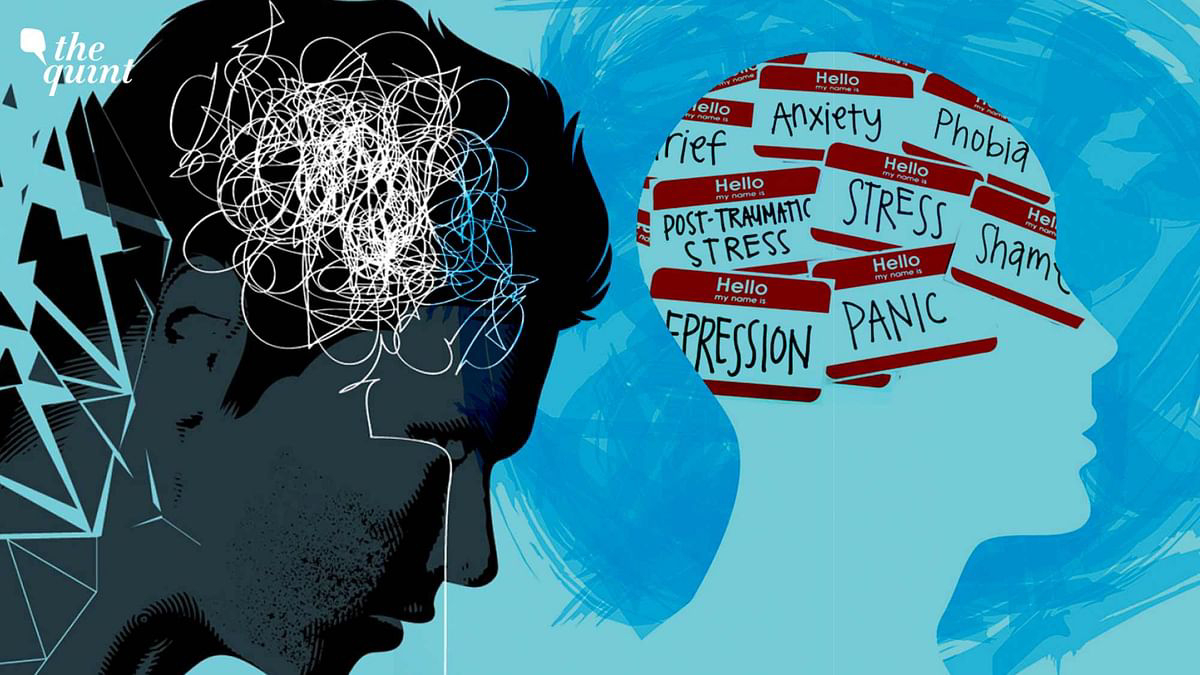
Why is it important to raise awareness of mental health

    Hi, today I would like to share about the interesting topic, namely "Why is it important to raise awareness of mental health", the main reason why i choose this topic is because many people don't care about mental health, what they think about is how to prioritize what is their own pleasure, from several sources and researchers say that "mental health is related to fate and physical health", If humans only rely on physical health without paying attention to mental health, the result is that they will feel unhappy, stressed, depressed, sad and traumatized. 
Awareness of mental health is crucial for several reasons:

1. Prevention and Early Intervention: Understanding the signs and symptoms of mental health issues can lead to early intervention, which is key to preventing the worsening of conditions and promoting quicker recovery.
2. Reduced Stigma: Increased awareness helps break down the stigma and misconceptions surrounding mental health, encouraging more people to seek help and support.
3. Better Support and Understanding: When people are aware of mental health issues, they are better equipped to support friends, family, and colleagues who may be struggling, fostering a more empathetic and understanding community.
4. Improved Quality of Life: Proper management of mental health can significantly enhance individuals' overall quality of life, including their physical health, relationships, and productivity.
5. Informed Decision-Making: Awareness helps individuals make informed decisions about their own mental health and well-being, including when to seek professional help and how to implement coping strategies.
6. Workplace Productivity: Mental health awareness in the workplace can lead to healthier work environments, increased productivity, and reduced absenteeism.
7. Public Health and Safety: On a broader scale, mental health awareness can contribute to safer communities by addressing issues such as substance abuse, violence, and homelessness, which are often linked to untreated mental health conditions.
8. Economic Impact: Mental health issues can have a significant economic impact due to healthcare costs and lost productivity. Awareness and treatment can help mitigate these costs.

Overall, mental health awareness empowers individuals and communities to address mental health proactively, leading to healthier and more resilient societies.
Several factors can cause people to avoid learning about mental health:

### 1. Stigma and Shame
   - Social Stigma: Mental health is often surrounded by stigma, leading people to feel ashamed or embarrassed.
   - Fear of Judgment: Individuals might avoid discussing or learning about mental health out of fear of being judged or labeled as "weak" or "crazy."
### 2. Lack of Awareness
   - Ignorance: Some people simply don’t recognize the importance of mental health education or awareness.
   - Misinformation: Misunderstandings about mental health conditions and treatments can lead to avoidance.
### 3. Cultural and Societal Norms
   - Cultural Beliefs: In some cultures, mental health issues are not recognized or are attributed to supernatural causes, discouraging formal education.
   - Societal Expectations: Societies that value stoicism or self-reliance might discourage discussions about mental health.
### 4. Personal Experiences
   - Negative Experiences: Individuals who have had negative experiences with mental health care or have seen others treated poorly may avoid learning about it.
   - Trauma and Denial: People who have experienced trauma may avoid learning about mental health as a coping mechanism to deny or suppress painful emotions.

### 5. Fear and Anxiety
   - Fear of Discovery: People may fear uncovering that they or their loved ones have a mental health condition.
   - Fear of Change: Learning about mental health might require acknowledging the need for lifestyle changes, which can be intimidating.
### 6. Lack of Resources
   - Access to Information: Inadequate access to accurate, reliable information about mental health can be a barrier.
   - Limited Support Systems: People without a strong support system may feel they have no reason or opportunity to learn about mental health.
### 7. Belief in Myths
   - Self-Reliance: The belief that mental health issues can be overcome through willpower alone discourages learning about professional help.
   - Temporary Problems: Some may believe mental health issues are temporary and do not require serious attention or education.
### 8. Economic and Social Pressures
   - Prioritization of Basic Needs: Individuals dealing with significant economic or social pressures may not prioritize mental health education.
   - Time Constraints: Busy schedules and prioritization of work or family responsibilities can lead to avoidance.
### 9. Generational Differences
   - Generational Attitudes: Older generations may have different attitudes towards mental health compared to younger generations, influencing the willingness to learn.

### 10. Media Portrayal
   - Negative Portrayals: The way mental health is portrayed in the media can influence perceptions and willingness to engage with mental health topics.

Addressing these barriers requires a multi-faceted approach, including education, advocacy, and creating supportive environments that encourage open discussions about mental health.

Never underestimate the power of prayer

   Hi, Today I would like to share about the interesting topic, namely "Never underestimate the power of prayer", The main reason why I chose this topic is because many people underestimate the power of prayer,  They think that hard work should be greater than prayer, This type of thinking is called materialistic of thinking pattern, I don't blame their principles, but I really regret it if humans don't use the power of prayer, the main reason why I suggest not to underestimate a power of prayer because every prayer can connect with Almighty God, if the power of pray is strong enough, God will do something extraordinary for human being, There are various reasons why someone might not want to pray, and these reasons can be deeply personal and influenced by a wide range of factors. Here are some common reasons:

### 1. Lack of Belief or Doubt
   - Questioning Faith: A person might be experiencing doubts about their religious beliefs or the existence of a higher power, making prayer feel irrelevant or insincere.
   - Secular Outlook: Someone might prioritize secular or non-religious perspectives over spiritual practices.

### 2. Negative Experiences
   - Religious Trauma: Past negative experiences with religion or religious institutions can lead to reluctance or aversion to prayer.
   - Hypocrisy or Judgment: Witnessing hypocrisy, judgment, or negative behavior from religious people can discourage someone from engaging in religious practices.

### 3. Lack of Understanding
   - Not Understanding the Purpose: If someone doesn’t understand the purpose or meaning of prayer, they may see it as a pointless or empty ritual.
   - Lack of Knowledge: Some people may not know how to pray or feel they are not doing it "correctly."

### 4. Emotional and Psychological Factors
   - Depression or Anxiety: Mental health issues like depression can make it difficult to find motivation for any activity, including prayer.
   - Anger or Resentment: Anger towards a higher power or life circumstances can lead to avoidance of prayer.

### 5. Feeling Unworthy or Guilty
   - Guilt Over Sins: Feeling guilty about past actions or feeling unworthy can make someone avoid prayer.
   - Perceived Lack of Forgiveness: Believing that they won’t be forgiven can also be a barrier to prayer.

### 6. Distractions and Busyness
   - Lack of Time: A busy lifestyle can leave little time or energy for prayer.
   - Prioritizing Other Activities: If other activities or interests take precedence, prayer might be deprioritized.

### 7. Disconnection or Lack of Habit
   - Not a Regular Practice: If prayer was never a regular part of someone’s life, it might not feel natural or necessary.
   - Feeling Disconnected: Feeling disconnected from spirituality or religious community can lead to a lack of desire to pray.

### 8. Philosophical or Theological Differences
   - Different Beliefs About Prayer: Some might believe that prayer doesn’t change outcomes or is not as important as other forms of action.
   - Alternative Spiritual Practices: Individuals might prefer meditation, mindfulness, or other forms of spiritual practice over traditional prayer.

### 9. Cultural or Social Influences
   - Peer Pressure: Being surrounded by people who don’t pray or who view prayer negatively can influence someone’s attitude towards prayer.
   - Cultural Norms: In some cultures, prayer may not be a common practice, or there may be social stigmas attached to it.

### 10. Intellectual Objections
   - Rationalism or Skepticism: Some individuals might rely more on reason and logic, finding prayer to be incompatible with their worldview.
   - Belief in Self-Reliance: A belief in solving problems through one’s own efforts rather than seeking help through prayer.

# Overcoming Barriers to Prayer
If someone wishes to overcome their reluctance to pray, here are a few steps that might help:
- Seek Understanding: Learning more about the purpose and methods of prayer can provide clarity and make it more meaningful.
- Address Emotional Blocks: Speaking with a counselor, spiritual leader, or trusted friend can help address feelings of guilt, anger, or unworthiness.
- Establish a Routine: Starting with small, regular practices can help integrate prayer into daily life.
- Explore Different Methods: Finding a style of prayer or meditation that resonates personally can make the practice more engaging.

Ultimately, whether or not someone wants to pray is a personal decision, and respecting individual choices and beliefs is essential.

What's the criminal thinking errors? Psychology explains

   Hi, Today I would like to share about the interesting topic, namely "What's the criminal thinking errors", The main reason why I chose this topic is because not everyone realizes that humans have a tendency to behave like criminals, do you know where i can conclude that? When humans are unable to neutralize their negative thoughts, they tend to behave like criminals, Criminal behavior is complex and influenced by a variety of factors. Understanding why some individuals develop a criminal mindset involves examining biological, psychological, social, and environmental influences. Here are some key factors that contribute to the development of a criminal mindset:

### 1. Biological Factors
- Genetics: Certain genetic factors may predispose individuals to antisocial behavior. Research suggests that individuals with a family history of criminal behavior may have a higher risk.
- Brain Structure and Function: Abnormalities in brain areas associated with impulse control, decision-making, and emotion regulation, such as the prefrontal cortex, can contribute to criminal behavior.
- Neurochemical Imbalances: Imbalances in neurotransmitters, such as serotonin and dopamine, have been linked to aggression and impulsivity, which can lead to criminal behavior.

### 2. Psychological Factors
- Personality Disorders: Conditions like antisocial personality disorder or narcissistic personality disorder are often associated with a disregard for others' rights and an increased likelihood of criminal behavior.
- Impulse Control Issues: Individuals who have difficulty controlling their impulses may be more likely to engage in criminal activities without considering the consequences.
- Cognitive Distortions: Faulty thinking patterns, such as justifying harmful behavior or minimizing the impact of one's actions, can contribute to a criminal mindset.

### 3. Social and Environmental Factors
- Family Environment: Exposure to violence, neglect, or abuse in the family can normalize criminal behavior and hinder the development of healthy coping mechanisms.
- Peer Influence: Association with delinquent peers can reinforce criminal behavior and provide a sense of belonging or identity within a criminal subculture.
- Socioeconomic Status: Poverty, lack of access to education, and limited job opportunities can contribute to criminal behavior as individuals may turn to illegal activities to meet their needs or desires.
- Community Environment: Living in high-crime areas with limited social support and resources can increase the risk of engaging in criminal activities.

### 4. Cultural and Societal Influences
- Cultural Norms: In some cultures, certain types of criminal behavior may be more accepted or even encouraged, contributing to the development of a criminal mindset.
- Media Influence: Exposure to violent or criminal behavior in media can desensitize individuals to the consequences of crime and glorify illegal activities.

### 5. Situational Factors
- Stress and Trauma: Individuals experiencing high levels of stress or trauma may engage in criminal behavior as a coping mechanism or as a way to regain control.
- Substance Abuse: Drug and alcohol use can impair judgment, reduce inhibitions, and increase the likelihood of engaging in criminal activities.

### 6. Moral and Ethical Development
- Lack of Empathy: Individuals who lack empathy may not understand or care about the impact of their actions on others, making them more likely to engage in criminal behavior.
- Moral Disengagement: Mechanisms such as justifying harmful actions, blaming victims, or minimizing the seriousness of crimes can facilitate a criminal mindset.

### 7. Mental Health Issues
- Untreated Mental Illness: Conditions such as schizophrenia, bipolar disorder, or severe depression, if left untreated, can lead to behaviors that are criminal in nature.

### Conclusion

The development of a criminal mindset is typically the result of a complex interplay of these factors. Addressing criminal behavior effectively often requires a comprehensive approach that considers all these influences, including intervention strategies that target underlying causes and promote positive behavioral change. Understanding these factors can help in developing more effective prevention and rehabilitation programs.

What's the Act of contrition prayer? Psychology talks

   Hi, Today I want to share an interesting topic, namely "What's the Act of contrition prayer", The reason I choose this topic is because there is a lot of hidden power behind the contrition prayer, If we pay attention, there are many things that we are not aware of behind the power of contrition, namely the release of negative emotions, An Act of Contrition is a prayer expressing sorrow for sins and a desire for forgiveness. Here’s what typically happens when someone recites it:

1. Spiritual Reflection: The person acknowledges their wrongdoings and sincerely regrets them, reflecting on their actions and the impact of their sins.
2. Expression of Sorrow: The individual feels genuine remorse and sorrow for their sins, recognizing the ways they may have hurt themselves, others, and their relationship with God.
3. Commitment to Change: As part of the prayer, the person expresses a resolve to avoid sin in the future and to make amends where possible.
4. Receiving Forgiveness: In a Catholic context, the Act of Contrition is often recited during the Sacrament of Reconciliation (Confession). The priest, acting as a representative of God, grants absolution, and the person is forgiven of their sins.
5. Renewal and Peace: The person experiences a sense of spiritual renewal and peace, knowing that they are forgiven and can move forward with a clean conscience.

Overall, reciting an Act of Contrition is a step towards spiritual healing and strengthening one’s relationship with God, An "evil" person, or someone who is perceived as evil due to their actions or character, may be lacking in genuine contrition. Here are some ways to think about this:

### Lack of Contrition
1. No Regret for Actions: An individual deemed evil may not feel remorse or guilt for their harmful actions, indicating a lack of contrition.
2. Absence of Moral Awareness: Such individuals might not recognize their actions as wrong or harmful, leading them to continue their behavior without seeking forgiveness or change.
3. Refusal to Change: Without contrition, there is typically no desire or intention to alter their behavior or make amends for their actions.

### Potential for Change
1. Capacity for Contrition: While someone may appear evil, it’s possible for them to develop a sense of contrition. This might occur through personal experiences, reflections, or interventions that help them recognize the impact of their actions.
2. Role of Circumstances: Some individuals may lack contrition due to their circumstances, upbringing, or lack of understanding about the harm they cause. In these cases, education and positive influences might encourage a change in perspective.

### Conclusion
Whether or not an "evil" person lacks contrition often depends on their ability to reflect on their actions, feel genuine remorse, and express a desire to change. Without these elements, they may continue to engage in harmful behavior without seeking forgiveness or attempting to improve themselves. However, it's important to remember that individuals are capable of change, and even those who seem most hardened can find paths to redemption and contrition.