What is quarter life crisis meaning

  Today I would like to share about the interesting topic, namely "What is quarter life crisis meaning", The main reason why I choose this topic is because many people are trapped in a quarter-life crisis situation, Based on my research and some observations, people experience quarter life crises because they are busy chasing their instant gratification and ignoring the truth of reality, the meaning of quarter life crisis is a period of uncertainty and questioning that typically occurs in one's twenties to early thirties. It often involves feelings of anxiety, dissatisfaction, and confusion about one's career, relationships, and overall direction in life. This phase can be marked by a desire for more meaningful work, significant life changes, or a re-evaluation of personal goals and values.
Experiencing a quarter-life crisis can lead to several outcomes, including:
1. Personal Growth: Many people use this period to reflect deeply on their values, goals, and desires, leading to significant personal development.
2. Career Changes: It can prompt individuals to switch careers or pursue further education to align their work with their passions and interests.
3. Improved Relationships: Reevaluating personal connections can lead to stronger, more fulfilling relationships or the end of those that are unfulfilling.
4. Greater Self-awareness: Individuals often gain a clearer understanding of themselves, which can help in making more informed life choices.
5. New Opportunities: This period of crisis can open doors to new experiences, hobbies, and interests that may not have been considered before.

While challenging life pressure, a quarter-life crisis can be a catalyst for positive change and a more authentic life direction, successfully navigating a quarter-life crisis often involves several key factors:
1. Self-Reflection: Taking time to understand personal values, goals, and passions helps in making informed decisions about the future.
2. Support Network: Having friends, family, or mentors to talk to provides emotional support and diverse perspectives.
3. Flexibility and Openness: Being open to change and willing to explore new opportunities can lead to personal and professional growth.
4. Goal Setting: Setting realistic and achievable goals provides direction and motivation.
5. Seeking Professional Help: Therapy or career counseling can offer guidance and strategies for managing stress and making important life choices.
6. Healthy Coping Mechanisms: Engaging in activities like exercise, meditation, or hobbies can reduce stress and improve mental well-being.
7. Continual Learning: Staying curious and learning new skills can open up new career paths and opportunities.

These factors can help individuals turn the challenges of a quarter-life crisis into opportunities for growth and fulfillment.
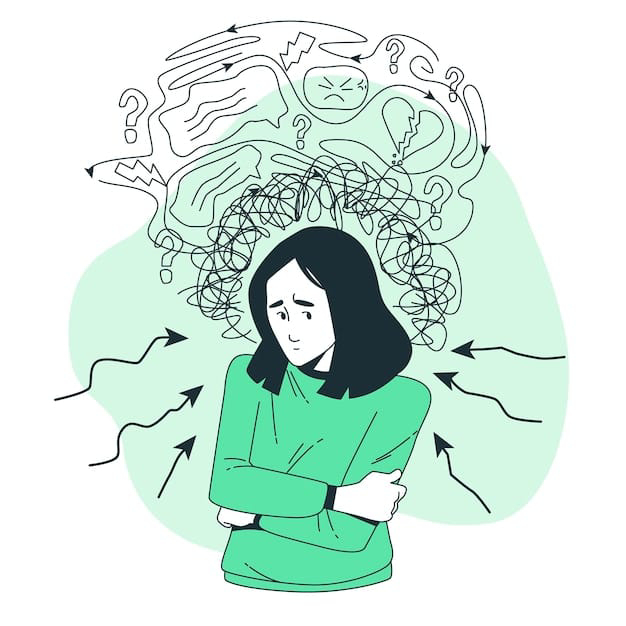
How to remove negative thoughts from mind permanently

   Today I want to share an interesting topic, namely "How to remove negative thoughts from mind permanently", the main reason why I choose this topic is because not everyone succeeds in conquering negative thoughts permanently,  from a psychological point of view, basically negative thoughts are a natural response to increase alertness and caution, so negative thoughts are not always negative, This also applies to positive thoughts, not always positive thoughts are positive, we have to test our thoughts whether they are in accordance with reality or contrary to reality, remember this : our logic must be coherent with reality even though we create positive expectations, Like it or not, sometimes expectations actually prevent us from canceling negative thoughts
Removing negative thoughts permanently is challenging, but you can reduce their frequency and impact through consistent practice and various strategies. Here are some steps you can take:
1. Cognitive Behavioral Therapy (CBT): This form of therapy helps you identify and challenge negative thought patterns, replacing them with more positive, realistic ones.
2. Mindfulness and Meditation: Practicing mindfulness can help you become more aware of your thoughts and learn to observe them without judgment, reducing their power over you.
3. Positive Affirmations: Repeating positive affirmations can help rewire your brain to focus on positive thoughts and diminish the impact of negative ones.
4. Healthy Lifestyle: Regular exercise, a balanced diet, and adequate sleep can improve your overall mental health, making it easier to manage negative thoughts.
5. Journaling: Writing down your thoughts can help you process and understand them better. It can also help you identify patterns and triggers for negative thoughts.
6. Gratitude Practice: Focusing on what you're grateful for can shift your mindset from negative to positive.
7. Limit Negative Influences: Reduce exposure to negative media, toxic relationships, and stressful environments.
8. Seek Support: Talking to friends, family, or a mental health professional can provide support and perspective.
9. Develop Hobbies and Interests: Engaging in activities you enjoy can help distract you from negative thoughts and promote a more positive outlook.
10. Practice Self-Compassion: Treat yourself with kindness and understanding, especially when you encounter negative thoughts.

These strategies require consistent effort and practice. It might be helpful to start with a few and gradually incorporate more into your routine.

Define a passionate person

  Today I want to share an interesting topic, namely "Define a passionate person", The main reason why I choose this topic is because not everyone thinks that they are passionate people, sometimes they can't differentiate between passionate people and people who are crazy with the type of person who is a workaholic, In psychology, a passionate person is typically defined as someone who exhibits a strong and intense enthusiasm or dedication toward an activity, cause, or interest. Passion involves both cognitive and emotional components, where the individual experiences deep enjoyment, a sense of meaning, and a drive to invest time and effort into their passion. Psychologist Robert Vallerand's Dualistic Model of Passion categorizes passion into two types:
1. Harmonious Passion: This type of passion involves an autonomous internalization of an activity into one's identity. The individual freely engages in the activity, experiencing balance and harmony. It often leads to positive outcomes, such as well-being and sustained motivation.
2. Obsessive Passion: This type involves a controlled internalization, where the activity takes an overpowering importance in one's life. The individual feels compelled to engage in the activity, sometimes at the expense of other aspects of life, leading to potential negative outcomes like stress or conflict.

A passionate person, therefore, is someone who pursues their interests with a high level of commitment and energy, often finding deep satisfaction and meaning in their pursuits, Passionate people can be found in various fields, demonstrating their dedication and enthusiasm through their accomplishments and contributions. Here are a few examples:
1. Marie Curie: A pioneering physicist and chemist, Curie was passionate about science and dedicated her life to researching radioactivity, leading to the discovery of radium and polonium. Her work earned her two Nobel Prizes.
2. Elon Musk: The CEO of Tesla and SpaceX, Musk is known for his passion for technology and innovation. His drive to revolutionize electric cars and space travel has led to significant advancements in these fields.
3. Jane Goodall: Renowned for her work with chimpanzees, Goodall's passion for animal behavior and conservation has led to groundbreaking research and advocacy for wildlife preservation.
4. Malala Yousafzai: An advocate for girls' education, Malala's passion for education and human rights has made her an influential figure globally. She was awarded the Nobel Peace Prize for her efforts.
5. Steve Jobs: The co-founder of Apple, Jobs was passionate about design and technology. His vision and innovation transformed the tech industry and influenced how people interact with technology.

These individuals exemplify how passion can drive significant achievements and positive change in various domains.

Define feeling passionate about something

   Today I want to share an interesting topic, namely "Define feeling passionate about something", The main reason why I choose this topic is because not everyone realizes their passion since childhood, Based on my personal experience, finding passion in work is not easy because you have to overcome obstacles, uncertainty and challenges, if someone likes western style food, then he will be enthusiastic about doing something related to cooking, Passion for something is a strong and deep feeling or emotion towards an activity, interest or goal. Passion is often characterized by:
1. Enthusiasm: A heightened sense of enthusiasm and a strong desire to engage in an activity or interest.
2. Commitment: Dedication and perseverance in pursuing or doing something, even when facing challenges or difficulties.
3. Satisfaction: The sense of pleasure and satisfaction gained from doing or pursuing something.
4. Intrinsic motivation: The internal drive to engage in an activity because the activity itself provides satisfaction and meaning, rather than because of external factors such as rewards or recognition.

Examples of passion could include a person's love for art, science, sports, or their work. People who are passionate about something tend to feel more energized and motivated when they engage in the activity, People who have found passion for something, then they don't need motivation from other people's skills, besides that, we must be alerted with the enemy of passion, 
The main enemies of passion are having various factors that can hinder, diminish, or extinguish one's passion and motivation. Some of the main enemies of passion include:

1. Fear and Doubt: Fear of failure, rejection, or uncertainty can hold a person back from pursuing their passion. Self-doubt can also be a big hindrance.
2. Lack of Support: Without support from family, friends, or coworkers, one may feel isolated and less motivated to pursue their passion.
3. Stress and Burnout: Excessive stress and burnout from work or other life pressures can drain a person's energy and enthusiasm, leaving them feeling exhausted and losing interest in their passion.
4. Time Constraints: Time demands from work, family, or other obligations can make it difficult to find time to pursue their passions.
5. Criticism and Negativity: Unconstructive criticism and negativity from others can be detrimental to one's passion. Feeling unappreciated or looked down upon can extinguish passion.
6. Complacency and Laziness: Excessive complacency or laziness can prevent one from continuing to strive and grow in the field they love.
7. Social Comparison: Excessively comparing oneself to others can diminish self-confidence and make one feel like their passions don't matter enough.

Overcoming these enemies requires self-awareness, stress management strategies, strong social support, and the determination to keep trying despite obstacles.

The example of passion in work

   Today I want to share an interesting topic, namely "The example of passion in work", The main reason why I choose this topic is because not everyone can detect where their passion lies, Passion is a strong feeling or deep enthusiasm for something, be it a particular activity, job, hobby or cause. It is an emotional drive that makes a person extremely passionate, dedicated and motivated to continue doing or pursuing something despite challenges or difficulties.
Passion is often associated with things that provide a sense of satisfaction, happiness, and personal fulfillment. When a person finds their passion, they tend to feel more alive, engaged and purposeful.
Meeting one's passion is often characterized by several characteristics, including:
1. High Enthusiasm: They feel very excited and energetic when doing the activity, even when facing challenges or difficulties.
2. Time Passes Quickly: They often feel that time passes very quickly while engaged in the activity, indicating that they are completely immersed in the activity.
3. Satisfaction and Pleasure: They feel a deep sense of satisfaction and genuine happiness while doing the activity, even if there is no great material reward.
4. High Motivation: They have a strong motivation to continue learning and developing in the field, often independently.
5. Resilience Against Obstacles: They are more resilient to obstacles and failure due to a strong intrinsic drive to succeed in the field.
6. Creativity and Innovation: They often exhibit high levels of creativity and are able to think outside the box while engaged in the activity.
7. Strong Sense of Identity: The activity is often an important part of their identity and how they see themselves.
8. Positive Influence on Others: They are often able to inspire and positively influence others through their passion and dedication to the activity.

Do any of these traits resonate with you in an activity?, Examples of passion at work can vary greatly depending on an individual's interests and talents. Here are some examples:
1. Doctor: A doctor who is passionate about saving lives and helping patients recover from illnesses. They may feel very fulfilled when they see patients recover and continue to update their medical knowledge.
2. Teacher: A teacher who is passionate about teaching and educating students. They get happiness when they see their students succeed and understand the material taught.
3. Chef: A chef who has a great passion for cooking and creating new dishes. They may spend a lot of time experimenting with new recipes and enjoy the process of cooking and satisfying their customers.
4. Engineer: An engineer who has a passion for designing and building new infrastructure or technology. They may feel very challenged and satisfied when they see their work being used and benefiting society.
5. Writer: A writer who enjoys the process of writing and storytelling. They feel very satisfied when their work is read and appreciated by many people.
6. Graphic Designer: A graphic designer who enjoys the creative process of designing attractive and effective visuals. They feel very satisfied when they see their designs being used and appreciated.
7. Entrepreneur: An entrepreneur who is passionate about building and growing a business. They may feel very satisfied when they see their business grow and have a positive impact on employees and customers.
8. Social Activist: Someone who has a passion for fighting for social justice and making positive changes in society. They feel compelled to work hard to achieve the social causes they believe in.

Passion in work not only makes the job more enjoyable, but also often leads to greater success due to dedication and motivation.