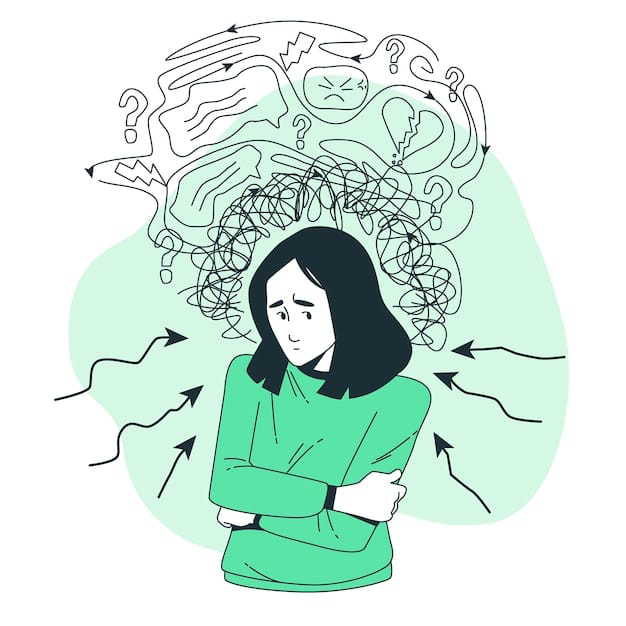
7 signs of intermittent explosive disorder

   Today I want to share an interesting topic, namely "7 signs of intermittent explosive disorder" The main reason why I choose this topic because many people don't know how to deal with intermittent explosive disorder, The main cause of people are experiencing mental extremes because they are unable to handle the lifestyle they have created, 
Intermittent Explosive Disorder (IED) is characterized by recurrent episodes of aggressive outbursts and impulsive behavior. Helping someone with IED involves a combination of strategies aimed at managing symptoms and providing support. Here are steps to address the seven signs of IED:
1. Frequent Outbursts:
   - Behavioral Therapy: Cognitive-behavioral therapy (CBT) can help individuals recognize and change thought patterns that lead to explosive behavior.
   - Relaxation Techniques: Teach and encourage the use of relaxation techniques such as deep breathing, meditation, or progressive muscle relaxation to manage stress and reduce the frequency of outbursts.

2. Verbal Aggression:
   - Communication Skills Training: Help individuals develop better communication skills to express their feelings in a non-aggressive manner.
   - Conflict Resolution: Provide training on effective conflict resolution strategies to handle disagreements without escalating to verbal aggression.

3. Physical Aggression:
   - Anger Management Programs: Enroll in anger management classes to learn coping strategies and techniques to control physical aggression.
   - Physical Outlets: Encourage physical activities like sports or exercise as a healthy outlet for aggression and frustration.

4. Impulsive Behavior:
   - Impulse Control Techniques: Practice impulse control strategies, such as delaying reactions and thinking through consequences before acting.
   - Mindfulness: Promote mindfulness exercises to increase awareness of triggers and improve self-control.

5. Intense Anger:
   - Identifying Triggers: Work with a therapist to identify specific triggers that cause intense anger and develop coping strategies to manage these triggers.
   - Emotional Regulation: Use emotional regulation techniques, such as journaling or talking to a supportive person, to process and manage intense feelings.

6. Regret After Outbursts:
   - Self-Reflection: Encourage self-reflection after an outburst to understand what triggered the episode and how it could be handled differently in the future.
   - Apology and Amends: Teach the importance of apologizing and making amends after an outburst to repair relationships and reduce feelings of guilt and regret.

7. Difficulty Maintaining Relationships:
   - Social Skills Training: Improve social skills to foster better interactions with others and build healthier relationships.
   - Support Groups: Join support groups where individuals with IED can share experiences and strategies for maintaining relationships.

In addition to these strategies, it's important to consider professional help, such as:

- Medication: In some cases, medications like mood stabilizers, antidepressants, or anti-anxiety drugs may be prescribed to help manage symptoms.
- Professional Therapy: Regular sessions with a licensed therapist who specializes in anger management or IED can provide tailored strategies and ongoing support.
- Family Therapy: Involving family members in therapy can help them understand the disorder, learn supportive strategies, and improve overall family dynamics.

Consistency and patience are key when helping someone with IED. It may take time for them to learn and apply new skills effectively, but with the right support, significant improvements can be made, hopefully this article can give you an insight and inspiration, good luck.

What's Intermittent explosive disorder

    Today I want to share an interesting topic, namely "What's Intermittent explosive disorder", The main reason why I choose this topic because many people are not aware of the characteristics of Intermittent explosive disorder, Intermittent Explosive Disorder (IED) is a mental disorder characterized by repeated episodes of excessive and uncontrollable outbursts of anger, which are disproportionate to the actual situation or trigger. People with IED can experience sudden and intense anger that is often accompanied by aggressive behavior, such as yelling, hitting, or damaging property.
The main symptoms of IED include:
1. Sudden and repeated outbursts of anger: this can include excessive verbal or physical tantrums against relatively minor triggers.
2. Aggressive behavior: this can be physical violence against other people, animals, or objects.
3. Difficulty controlling anger: people with IED often feel very angry without being able to control or relieve those feelings.
4. Remorse after the episode: often, after the episode ends, the individual may feel shame, remorse, or even surprise at the level of their anger. 
The causes of IED are not fully understood, but genetic, environmental, and biological factors are believed to play a role. Traumatic experiences or exposure to violence in childhood can also increase the risk of developing an IED.
Treatment of IED usually involves a combination of psychological therapy, such as cognitive-behavioral therapy (CBT), and medication, such as antidepressants or mood stabilizers, to help control symptoms and reduce the frequency and intensity of angry outbursts.
Preventive actions for Intermittent Explosive Disorder (IED) focus on managing triggers, improving emotional regulation, and reducing stress. Here are some strategies that might help:
1. Therapy and Counseling:
   - Cognitive Behavioral Therapy (CBT): Helps individuals recognize and change negative thought patterns and behaviors.
   - Anger Management Therapy: Teaches techniques to control anger and handle stress.
   - Family Therapy: Improves communication and relationships within the family, which can reduce stress and triggers.
2. Medication:
   - Antidepressants: Such as selective serotonin reuptake inhibitors (SSRIs) can help manage mood.
   - Mood Stabilizers: Like lithium or anticonvulsants may reduce the frequency and intensity of outbursts.
   - Antipsychotic Medications: In some cases, these can help control severe aggression.
3. Stress Reduction Techniques:
   - Mindfulness and Meditation: Regular practice can improve emotional regulation and reduce impulsivity.
   - Relaxation Techniques: Such as deep breathing, progressive muscle relaxation, and visualization exercises.
4. Lifestyle Modifications:
   - Regular Exercise: Physical activity can help reduce stress and improve mood.
   - Healthy Diet: Proper nutrition supports overall mental health.
   - Adequate Sleep: Ensuring sufficient and quality sleep can help manage stress and emotional regulation.
5. Avoiding Triggers:
   - Identifying and avoiding situations or substances that might trigger aggressive outbursts, such as alcohol or drug use.
6. Education and Awareness:
   - Learning about the disorder helps in recognizing early signs and symptoms, allowing for proactive management.
7. Building Support Systems:
   - Having a strong network of family, friends, or support groups can provide emotional support and practical advice.
8. Developing Coping Skills:
   - Techniques like problem-solving, effective communication, and time management can help reduce frustration and stress.

Preventive actions for IED should be tailored to the individual's specific needs and circumstances. Working with a mental health professional can ensure the development of an effective and personalized prevention plan, hopefully this article can give you an insight and inspiration, good luck.

Type of anger disorders in children

      Today I want to share an interesting topic, namely "Type of Anger disorders in children", The main reason why I chose this topic is because not all parents understand why children get angry suddenly, besides that, many parents don't really care when their children are angry, young children often get angry for several main reasons, including:
 1. Frustration: Children often feel frustrated when they cannot do something they want or when they feel not understood.
 2. Tired or Hungry: Physical conditions such as fatigue or hunger can make children more irritable.
 3. Change in Routine: Young children tend to feel secure in routine. Sudden changes in their routine can trigger anger.
 4. Language Limitations: Young children may not yet have enough language skills to express their feelings or needs clearly, so they display anger as a form of communication.
 5. Seeking Attention: Sometimes children get angry to get attention from the adults around them.
 6. Learning to Control Emotions: Children are in the process of learning how to manage and express their emotions. Anger can be part of this process.

 Dealing with young children's anger requires understanding, patience, and a consistent approach to help them develop the necessary emotional and social skills, Dealing with suddenly angry children requires an approach full of patience and empathy.  Here are some steps you can take:
 1. Keep Calm: Try to stay calm and not overreact.  Children often reflect the emotions of the adults around them.
 2. Validate Child's Feelings: Acknowledge the child's feelings with words like, "You seem very angry. What is making you angry?"  This helps children feel understood and appreciated.
 3. Don't Correct Immediately: Avoid immediately correcting or reprimanding children when they are angry. Give them space to express their feelings first.
 4. Give Time to Calm: Sometimes, children need time to calm down.  Leave them alone for a few minutes if necessary, but make sure they stay safe.
 5. Teach Breathing Techniques: Teach children deep breathing techniques to help calm themselves.  For example, inhale deeply through the nose and exhale slowly through the mouth.
 6. Divert Attention: Try diverting your child's attention to another activity they enjoy to help them forget their anger.
 7. Talk After Calming: Once the child has calmed down, talk to them about what made them angry and how to deal with these feelings in the future.
 8. Set Clear Boundaries: Make sure your child understands the boundaries and consequences of unacceptable behavior.  Consistency is very important in this case.
 9. Set a Positive Example: Demonstrate good ways of handling anger through examples of your own behavior.  Children learn a lot from observing their parents.
 10. Recognize Anger Triggers: Try to understand what often triggers your child's anger and look for ways to avoid or manage these triggers.

 With a loving and consistent approach, children will learn better ways to manage their emotions and reduce the frequency and intensity of anger, hopefully this article can give you an insight and inspiration, good luck.

What's type of Female anger disorders

    
    Today I want to share an interesting topic, namely "What's type of Female anger disorders", the reason I choose this topic because not all men understand women's anger, based on psychology research, women often are angry because there is crash between their inner emotional conflict and outer unstable pressure, 
Women, like men, they can experience irritability for various reasons. Some common causes include:
 1. Hormonal Changes: Hormonal fluctuations, especially during menstruation, pregnancy, or menopause, can affect mood and emotions.
 2. Stress: Pressure from work, family, or personal problems can cause stress which can lead to irritability.
 3. Fatigue: Lack of sleep or physical fatigue can make a person more easily triggered by emotions.
 4. Health Issues: Certain medical conditions, such as thyroid disorders or anxiety disorders, can contribute to mood swings.
 5. Psychological Conditions: Disorders such as depression or bipolar disorder can cause high irritability.
 6. Lack of Social Support: The inability to share problems or get support from those closest to you can increase feelings of frustration and anger.
 7. Lifestyle: Unhealthy diet, lack of physical activity, and consumption of alcohol or drugs can affect mood.

 Each individual can have different causes, and understanding the specific causes can help in finding ways to manage or reduce feelings of anger, When women feel angry, there are several strategies that can be used to manage and relieve this anger:
 1. Take Deep Breaths: Deep breathing techniques can help calm the nervous system and calm emotions.
 2. Take Time for Yourself: Taking time to be alone can provide an opportunity to reflect and calm down.
 3. Exercise: Physical activity, such as walking, running, or yoga, can help reduce stress and release tension.
 4. Talk to a Trusted Person: Confessing your feelings to a friend or family member can provide emotional support and a new perspective.
 5. Write Down Your Feelings: Writing in a journal or personal note can help express and understand emotions better.
 6. Avoid Triggers: If possible, avoid situations or people that can trigger anger until you feel calmer and ready to face them.
 7. Practice Relaxation Techniques: Meditation, mindfulness, or other relaxation exercises can help manage emotions more effectively.
 8. Listen to Baroque Music: Calming or enjoyable music can help divert attention and relieve anger.
 9. Do Activities You Like: Doing hobbies or enjoyable activities can help divert your mind and improve your mood.
 10. Seek Professional Help: If anger is often difficult to control and interferes with daily life, consulting a psychologist or counselor can be very helpful.

 Managing emotions in a healthy way is key to maintaining mental well-being and harmonious relationships, hopefully this article can give you a insight and inspiration, good luck.

Types of anger disorders

    Today I want to share an interesting topic, namely "Types of anger disorders" The main reason I choose this topic because many people don't understand the dangers of expressing anger, there may be some people asking the cause of someone get angry, The main cause why peoget angry is build a lifestyle that is not balanced by the ability to withstand the pressures of life,  anger disorders can arise from a combination of genetic, environmental, psychological, and social factors. Here are some key k:
1. Genetic Predisposition:
   - Family history of anger issues or mental health disorders can increase the likelihood of developing anger disorders.
   - Genetic factors may influence the brain's regulation of mood and impulse control.
2. Brain Chemistry and Structure:
   - Imbalances in neurotransmitters such as serotonin and dopamine can affect mood regulation and impulse control.
   - Structural abnormalities or injuries to areas of the brain involved in emotion regulation (e.g., the amygdala or prefrontal cortex) can contribute to anger disorders.
3. Childhood Experiences:
   - Traumatic experiences, abuse, neglect, or exposure to violence during childhood can lead to anger issues.
   - Inconsistent or harsh parenting styles may also contribute to difficulties in managing anger.
4. Environmental Stressors:
   - Chronic stress from work, relationships, financial difficulties, or other life pressures can exacerbate anger problems.
   - High-stress environments or situations can make it harder to manage emotions effectively.
5. Learned Behaviors:
   - Observing and mimicking the behavior of parents or role models who have poor anger management skills.
   - Cultural and social norms that condone or reinforce aggressive behavior.
6. Mental Health Disorders:
   - Conditions such as depression, anxiety, bipolar disorder, and PTSD often involve anger as a symptom.
   - Co-occurring disorders can complicate the management of anger and increase the severity of outbursts.
7. Substance Abuse:
   - Alcohol and drug abuse can impair judgment, lower inhibitions, and increase irritability and aggression.
   - Withdrawal from substances can also cause irritability and anger.
8. Personality Traits:
   - Individuals with certain personality traits, such as high levels of neuroticism or low levels of agreeableness, may be more prone to anger issues.
   - Traits such as impulsivity, low frustration tolerance, and a tendency to perceive threats can contribute to anger disorders.
9. Cognitive Factors:
   - Negative thinking patterns, such as catastrophizing, personalization, and black-and-white thinking, can fuel anger.
   - Poor problem-solving skills and difficulty in coping with frustration can lead to frequent anger outbursts.

Understanding these factors can help in identifying the underlying causes of anger disorders and developing effective treatment plans, which may include therapy, medication, lifestyle changes, and anger management techniques, Anger disorders, or conditions where individuals have difficulty controlling their anger can manifest in various forms. Here are some types of anger disorders:
1. Intermittent Explosive Disorder (IED):
   - Characterized by sudden episodes of unwarranted anger.
   - Individuals may experience intense outbursts of rage that are disproportionate to the situation.
2. Oppositional Defiant Disorder (ODD):
   - Often diagnosed in children and adolescents.
   - Includes patterns of uncooperative, defiant, and hostile behavior toward authority figures.
3. Conduct Disorder:
   - More severe than ODD, and often seen in children and teens.
   - Involves aggressive behavior, destruction of property, deceitfulness, and serious violations of rules.
4. Anger Attacks:
   - Similar to panic attacks but characterized by sudden, intense anger.
   - Often associated with mood disorders like depression.
5. Chronic Anger:
   - Persistent, long-term anger that can be linked to ongoing stressors or underlying psychological issues.
   - May result in consistent irritability and resentment.
6. Passive-Aggressive Behavior:
   - Indirect expression of anger, often through procrastination, stubbornness, or intentional inefficiency.
   - Individuals may not outwardly express anger but act out in subtle, indirect ways.
7. Self-Abusive Anger:
   - Directed inward, leading to self-harm or negative self-talk.
   - Can be associated with feelings of guilt, shame, or low self-esteem.
8. Overwhelmed Anger:
   - Arises when individuals feel a situation is beyond their control.
   - Often results in feelings of helplessness and frustration.
9. Judgmental Anger:
   - Directed towards others due to perceived flaws or failings.
   - Often involves a sense of superiority or moral indignation.
10. Retaliatory Anger:
    - A response to feeling wronged or mistreated.
    - Focused on revenge or getting even.

Understanding these different types of anger disorders can be crucial in seeking appropriate treatment and management strategies. Therapy, medication, and anger management programs are common methods to address these issues, hopefully this article can give you an insight and inspiration, good luck.