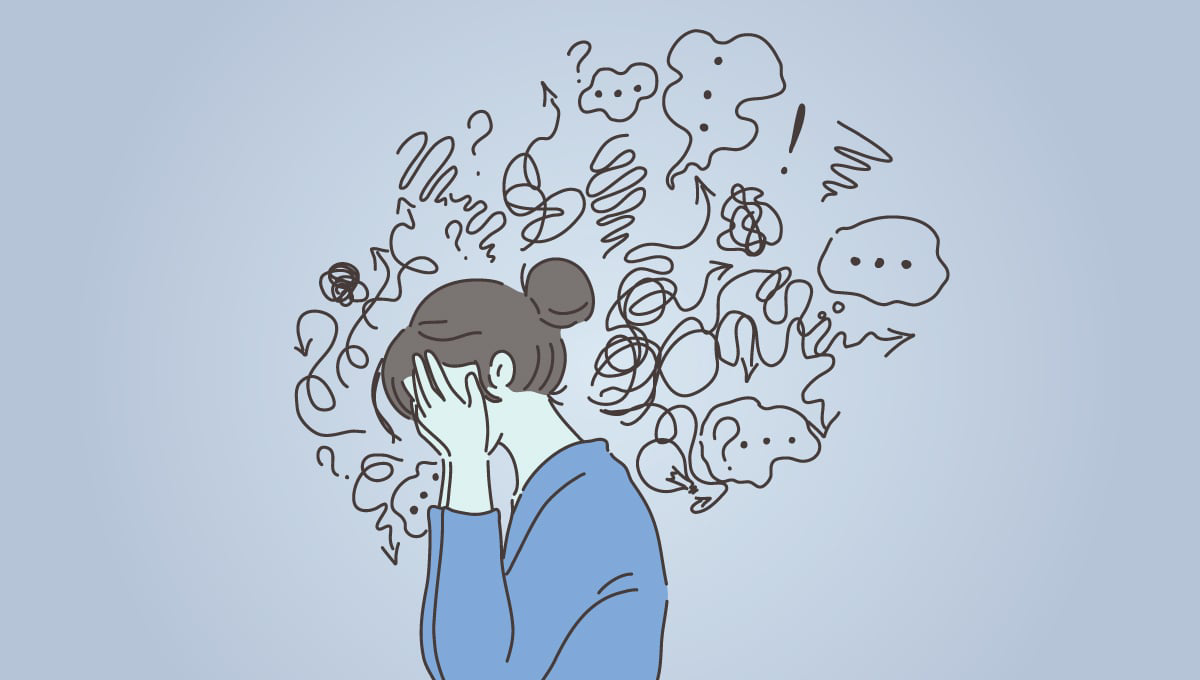
Is autism a mental disability? Psychology explains

       Today I would like to share you interesting topic, namely "Is autism a mental disability" The main reason why I chose this topic is because many people consider autistic children to be mentally disabled, Autism, or Autism Spectrum Disorder (ASD), is a developmental disorder rather than a mental disability. It affects communication, behavior, and social interaction, and manifests in a wide range of symptoms and abilities. While some individuals with autism may have intellectual disabilities or other co-occurring conditions, many have average or above-average intelligence. The spectrum nature of autism means that it can present very differently from person to person, with some requiring significant support and others living independently, Children affected by autism spectrum disorder (ASD) often exhibit a range of characteristics that can vary widely in severity. The main characteristics typically include:
1. Social Interaction Challenges:
   - Difficulty understanding and responding to social cues.
   - Challenges in forming and maintaining relationships.
   - Limited eye contact and facial expressions.
   - Preference for solitary activities over group play.
2. Communication Difficulties:
   - Delayed speech and language development.
   - Trouble starting or maintaining conversations.
   - Unusual speech patterns, such as repeating phrases (echolalia) or speaking in a monotone voice.
   - Limited use of gestures and non-verbal communication.
3. Repetitive Behaviors and Restricted Interests:
   - Engaging in repetitive actions, such as hand-flapping, rocking, or spinning.
   - Insistence on sameness and routine; distress when routines are disrupted.
   - Intense focus on specific topics or interests.
   - Unusual attachment to objects or parts of objects.
4. Sensory Sensitivities:
   - Over- or under-sensitivity to sensory stimuli such as sounds, lights, textures, or smells.
   - Unusual reactions to sensory experiences, like discomfort with certain clothing or foods.
5. Behavioral Variations:
   - Difficulty with transitions and changes in environment or routine.
   - Tantrums or emotional outbursts when overwhelmed or frustrated.
   - Variability in cognitive abilities, with some children displaying exceptional skills in specific areas while having difficulties in others.

These characteristics can appear in early childhood, and their intensity and combination can vary significantly among individuals on the autism spectrum. Early intervention and tailored support can help children with autism develop their skills and reach their potential, once again, Autism is not considered a mental illness / disability. It is classified as a neurodevelopmental disorder. This distinction is important because:
- Neurodevelopmental Disorder: Autism Spectrum Disorder (ASD) affects brain development, leading to challenges in social interaction, communication, and behavior. It manifests early in childhood and is a lifelong condition. The focus is on developmental aspects and how individuals grow and learn differently.
- Mental Illness: This term generally refers to conditions that affect a person's thinking, feeling, mood, or behavior and can occur at any stage in life. Examples include depression, anxiety, bipolar disorder, and schizophrenia. Mental illnesses often involve significant distress and impairment in daily functioning.

While autism itself is not a mental illness / disability, individuals with autism can also experience mental health conditions. It's crucial to differentiate between autism as a developmental condition and other mental health issues, as this affects the approach to support and treatment

Core Characteristics of Autism
1. Social Communication & Interaction
Communication Styles: Autistic individuals often prefer direct, precise communication and may interpret language literally.
Non-Verbal Nuances: Differences in eye contact, facial expressions, body language, and tone of voice.
Social Reciprocity: Navigating unwritten social rules, small talk, or turn-taking in conversation may require conscious cognitive effort rather than feeling automatic.
2. Information & Sensory Processing
Sensory Sensitivity: Hyper-sensitivity (over-responsiveness) or hypo-sensitivity (under-responsiveness) to sounds, lights, textures, tastes, or physical balance.
Pattern Recognition & Focus: Strong capacity for deep focus (hyperfocus) on topics of interest, systemizing information, and noticing fine details that others overlook.
Monotropic Mindset: A tendency to allocate attention to a single interest or task intensely at one time, rather than switching rapidly between multiple threads.
3. Routines & Repetitive Behaviors
Need for Predictability: Preference for routine, structure, and familiar environments; unexpected disruptions can cause significant internal stress.
Stimming (Self-Stimulating Behaviors): Repetitive physical movements or vocalizations (e.g., hand-flapping, rocking, pacing, repeating words) used to regulate emotion, process sensory input, or manage overload.
Deeply Focused Interests: Intense, long-lasting passion for specific subjects or hobbies, leading to comprehensive expertise.

How to prove someone has mental disability

     Today I want to share an interesting topic, namely "How to prove someone has mental disability", The main reason why I choose this topic because not many people know the signs of mental disability, Indeed, knowing the signs of mental disability is much more difficult than detecting physical illness, but there is nothing wrong if we learn how to prove that someone has mental disability,
Recognizing signs of a mental disability can vary depending on the specific condition and individual. However, some general signs to look for include:
1. Cognitive Difficulties: Problems with thinking, understanding, learning, and remembering. This can manifest as difficulties with problem-solving, planning, and carrying out tasks.
2. Communication Issues: Difficulty in expressing themselves or understanding others. This might include challenges with speaking, writing, reading, or social cues.
3. Social Challenges: Trouble interacting with others, understanding social norms, and forming relationships. This can involve avoiding social situations or having inappropriate responses.
4. Behavioral Signs: Unusual or repetitive behaviors, excessive anger, sadness, or irritability, and difficulties with self-control. This might include acting out, aggression, or self-harm.
5. Emotional Symptoms: Persistent feelings of sadness, anxiety, or other mood disturbances. This can also include a lack of emotional response or inappropriate emotional reactions.
6. Daily Functioning: Struggles with daily activities such as personal hygiene, managing money, or maintaining employment. 
7. Developmental Delays: In children, not reaching developmental milestones at the expected times. This can include delayed speech, motor skills, or social development.
8. Physical Symptoms: Sometimes, mental disabilities can be accompanied by physical symptoms, such as poor coordination or distinct facial features, especially in genetic conditions like Down syndrome.

It's important to note that having one or more of these signs does not necessarily mean someone has a mental disability. A comprehensive assessment by a healthcare professional is crucial for an accurate diagnosis, Facing a mental disability can be challenging, but there are strategies to help remain calm and manage the situation effectively:
1. Education and Understanding: Learn about the specific mental disability. Understanding the condition can reduce fear and uncertainty.
2. Mindfulness and Relaxation Techniques: Practice mindfulness, meditation, deep breathing exercises, or yoga to manage stress and maintain calm.
3. Structured Routine: Establishing a consistent daily routine can provide stability and predictability, reducing anxiety.
4. Professional Support: Engage with mental health professionals such as therapists, counselors, or support groups for guidance and support.
5. Healthy Lifestyle: Maintain a balanced diet, regular exercise, and adequate sleep to support overall mental and physical well-being.
6. Social Support: Connect with family, friends, or support groups who understand and can offer emotional support.
7. Positive Thinking: Focus on strengths and accomplishments rather than limitations. Practicing gratitude can also enhance positivity.
8. Self-Compassion: Be kind to yourself. Recognize that it's okay to have difficulties and that seeking help is a strength, not a weakness.
9. Medication Adherence: If prescribed medication, ensure to take it as directed by a healthcare provider.
10. Emergency Plan: Have a plan in place for managing crises or severe episodes, including emergency contacts and coping strategies.

Implementing these strategies can help in managing the emotional challenges associated with mental disabilities and promote a sense of calm and control, hopefully this article can give you inspiration and insight, good luck.

Is adhd a mental disability? Psychology talks

   Today I want to share an interesting topic, namely "Is adhd a mental disability?", The main reason I choose this topic is because not many people know the causes of ADHD, ADHD (Attention Deficit Hyperactivity Disorder) is a neuropsychiatric developmental disorder characterized by attention problems, hyperactivity and impulsivity that are inappropriate for a person's age. The main symptoms of ADHD include:
 1. Inattention (lack of attention): Difficulty maintaining focus, often making careless mistakes, difficulty following instructions, and easily distracted by external stimuli.
 2. Hyperactivity: Very active behavior, difficulty sitting still, moving frequently or talking excessively.
 3. Impulsivity: Acts without thinking, finds it difficult to wait one's turn, often interrupts others.

 ADHD is usually diagnosed in childhood, but symptoms can continue into adulthood.  The causes of ADHD are not fully understood, but are thought to involve genetic, environmental and brain development factors. Treatment for ADHD can include behavioral therapy, special education, psychosocial support, and medication, The causes of ADHD (Attention Deficit Hyperactivity Disorder) are not yet fully understood, but researchers believe that a combination of genetic, environmental and brain development factors play a role in the development of this disorder. Here are some factors that can contribute to ADHD:
 1. Genetic Factors: ADHD tends to run in families, indicating that genetic factors play an important role. Children who have parents or siblings with ADHD have a higher risk of developing this condition.
 2. Environmental Factors: Several environmental factors can increase the risk of ADHD, including exposure to toxins (such as lead) during pregnancy or childhood, maternal use of alcohol or tobacco during pregnancy, and premature birth.
 3. Brain Development: Research shows that there are structural and functional differences in the brains of people with ADHD. For example, there are certain parts of the brain that may be smaller or develop more slowly in individuals with ADHD.
 4. Prenatal and Perinatal Factors: Problems during pregnancy, such as high stress in the mother, or complications at birth, such as lack of oxygen (hypoxia) during delivery, may also play a role.
 5. Psychosocial Factors: Although they do not cause ADHD, factors such as family stress, conflict at home, or less supportive parenting can worsen ADHD symptoms or make diagnosis and treatment more complicated.

 These factors often interact and no single cause can explain all cases of ADHD. Research continues to be conducted to better understand how these various factors contribute to ADHD and how they can be managed to help individuals with this condition, hopefully this article can provide inspiration and inspiration, good luck.

Is anxiety being classified as mental illness? Psychology talks

     Today I want to share an interesting topic, namely "Is anxiety being classified as mental illness?", the reason I choose this topic is because 30-50% experience anxiety's circumstances, according to research by several philosophers, people who feel anxiety because they don't see enough time to make room to be grateful for what is happening, if we look at other perceptions, anxiety often triggered by a lifestyle that is incompatible with their ability to afford their lifestyle,
For your information: Anxiety can be engineered into wisdom through a process of reflection, learning, and constructive action. Here are some steps to transform anxiety into wisdom:

1. Acknowledgment: Recognize and accept the worry. Understanding what you are worried about is the first step in addressing it.
2. Analysis: Break down the worry into specific concerns. Identify the root causes and potential consequences. This helps in understanding the problem more clearly.
3. Perspective: Evaluate the worry from different angles. Consider the worst-case, best-case, and most likely scenarios. This can help in reducing anxiety and bringing a balanced perspective.
4. Information Gathering: Seek out information and knowledge related to your worry. The more you know, the better equipped you will be to handle the situation.
5. Planning: Develop a plan to address the worry. This includes setting goals, identifying resources, and outlining steps to mitigate the concern.
6. Action: Implement the plan. Taking proactive steps can reduce the feeling of helplessness and increase your sense of control over the situation.
7. Reflection: After taking action, reflect on the outcome. What worked well? What could have been done differently? This reflection turns the experience into wisdom.
8. Application: Use the insights gained from this experience to handle future worries more effectively. Wisdom comes from applying what you've learned to new situations.

By systematically addressing anxiety in this manner, you can transform them into opportunities for self-growth and wisdom, now we go back to the main topic , is anxiety a mental illness? Anxiety itself is not inherently a mental illness, as it is a natural and often adaptive response to stress or perceived threats. However, when anxiety becomes excessive, persistent, and interferes with daily functioning, it may be classified as an anxiety disorder, which is considered a mental illness. 

Here are some common types of anxiety disorders:
1. Generalized Anxiety Disorder (GAD): Characterized by chronic, excessive worry about various aspects of life such as work, health, or social interactions.
2. Panic Disorder: Involves recurrent, unexpected panic attacks—sudden periods of intense fear that may include palpitations, sweating, and feelings of impending doom.
3. Social Anxiety Disorder: Marked by intense fear and avoidance of social situations due to feelings of embarrassment, self-consciousness, and concern about being judged or scrutinized.
4. Specific Phobias: Intense, irrational fear of specific objects or situations, such as heights, animals, or flying.
5. Obsessive-Compulsive Disorder (OCD): Characterized by intrusive thoughts (obsessions) and repetitive behaviors (compulsions) performed to alleviate anxiety.
6. Post-Traumatic Stress Disorder (PTSD): Develops after exposure to a traumatic event, with symptoms including flashbacks, severe anxiety, and uncontrollable thoughts about the event.

If anxiety significantly impacts daily life, it is important to seek help from a mental health professional for proper diagnosis and treatment. Treatments can include therapy, medication, lifestyle changes, and coping strategies to manage symptoms and improve quality of life, Hopefully this article can provide inspiration and insight, good luck.

What's the signs of mental illness

      Today I want to share an interesting topic, namely "What's the signs of mental illness", The reason I choose this topic is because many people don't recognize the signs of mental illness, Based on a review of psychology: mental illness is caused by being unprepared to face reality and pursuing worldly pleasures without knowing how to stop, if this judgment happens to us, then what can we do to overcome it? In this modern era, mental illness is caused by receiving bad treatment from people they trust,
Signs of mental illness can vary widely depending on the type, severity, and individual circumstances. However, here are some common signs of mental illness, namely:
1. Changes in Mood: Extreme mood changes, including excessive sadness, irritability, or elevated mood.
2. Withdrawal: Avoiding social interactions, withdrawing from friends and activities that were once enjoyed.
3. Significant Changes in Eating or Sleeping Patterns: Eating too much or too little, insomnia, or excessive sleeping.
4. Fatigue: Constant tiredness and lack of energy.
5. Difficulty Concentrating: Problems with focusing, memory, and thinking.
6. Feelings of Worthlessness or Guilt: Intense feelings of guilt or worthlessness without any obvious reason.
7. Thoughts of Death or Suicide: Preoccupation with death or suicidal thoughts.
8. Changes in Behavior: Engaging in risky or reckless behaviors, substance abuse, or acting out of character.
9. Detachment from Reality: Experiencing delusions, hallucinations, or severe paranoia.
10. Physical Symptoms: Unexplained physical symptoms such as headaches, stomachaches, or chronic pain.

      If you or someone you know is experiencing these symptoms, it is important to seek help from a mental health professional. Early intervention can make a significant difference in managing mental health conditions. Running away from reality can be a sign of mental health issues, but it depends on the context and severity. This behavior may manifest in different ways, such as:
1. Escapism: Engaging in activities excessively to avoid confronting reality, such as overuse of video games, substance abuse, or excessive sleep.
2. Delusions or Hallucinations: Experiencing false beliefs or perceptions that detach someone from reality, which can occur in conditions like schizophrenia or severe bipolar disorder.
3. Dissociation: Feeling disconnected from oneself or one's surroundings, which can be a symptom of conditions like PTSD, borderline personality disorder, or dissociative disorders.
4. Daydreaming or Fantasy: Spending an inordinate amount of time in fantasy worlds to escape from real-life problems or stress, which might be a coping mechanism for dealing with trauma or anxiety.

While these behaviors can indicate mental health issues, they don't always mean someone has a mental illness. It's important to consider the overall pattern of behavior, the impact on daily functioning, and the presence of other symptoms. Consulting with a mental health professional can help determine the underlying cause and appropriate interventions, Hopefully this article can provide inspiration and insight, good luck.