What's the lifestyles of the rich? The fact tells

     Today I want to share an interesting topic, namely "What's the lifestyle of the rich",  The main reason why I chose this topic is because many people are curious about the lifestyle of rich people, besides that, there are many factors that the lower middle class do not know about the lifestyle of rich people, The lifestyle of rich people can come with its own set of challenges and risks. While it may offer privileges and opportunities, it can also involve intense scrutiny, security concerns, and the temptation to indulge excessively, which can lead to health or personal issues. Ultimately, it depends on how one manages their wealth and lifestyle choices. aspects of the lifestyle of wealthy individuals can be learned and imitated to some extent. This might include habits related to financial management, networking, career advancement, and personal development. However, it's important to remember that true wealth isn't just about material possessions, but also about relationships, health, and fulfillment. Simply imitating superficial aspects of wealth may not lead to genuine success and happiness.

From observing the lifestyles of wealthy individuals, you can learn several valuable habits and practices, such as:
1. Financial Management: Rich people often prioritize smart financial decisions, including budgeting, investing, and saving for the future.
2. Goal Setting: They tend to set ambitious yet achievable goals and work consistently towards them.
3. Networking: Wealthy individuals often excel at building and maintaining strong professional and social networks, which can open doors to opportunities.
4. Continuous Learning: Many rich people prioritize self-improvement through reading, attending seminars, and seeking mentorship.
5. Health and Wellness: Wealthy individuals often invest in their physical and mental well-being, maintaining healthy lifestyles and seeking out top-notch healthcare.
6. Work Ethic: They typically demonstrate a strong work ethic and are willing to put in the time and effort required to succeed in their endeavors.

By adopting these practices, one can potentially improve their financial situation and overall quality of life. However, it's essential to adapt these lessons to your own circumstances and values rather than blindly imitating others, I think this article has explained the lifestyle of rich people, but you need to remember that not all rich people's lifestyles are good to emulate, we should be careful about the lifestyle of rich people, everyone has a dark lifestyle that is not worth imitating, such as drinking, gambling, etc

What does it mean a lifestyle medicine? The fact tells

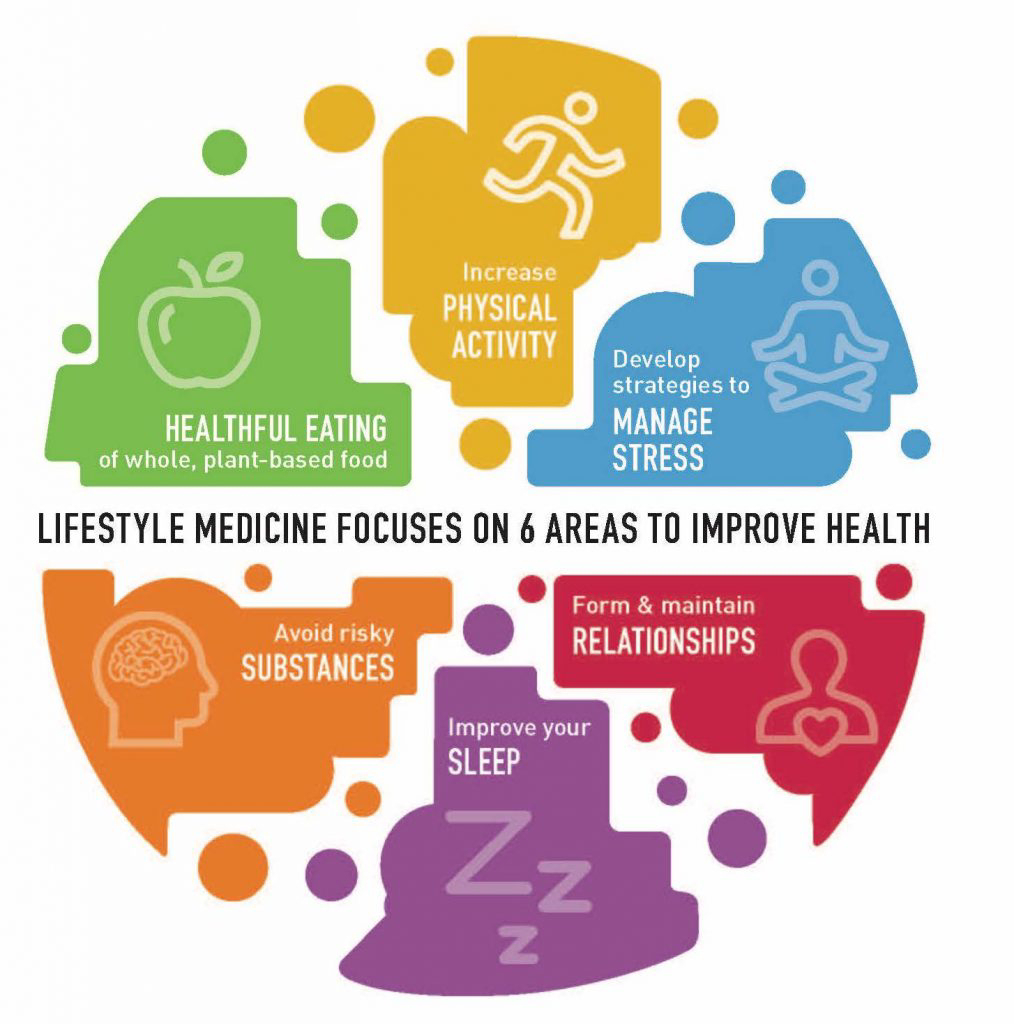
    Today I want to share an interesting topic, namely "what does it mean a lifestyle medicine"  the reason I chose this topic is because not many people realize that their lives are like drugs that have an addictive effect, but do not provide mental healing, The main reason why many people experience this because they often use a lifestyle that exhausts the mind, as we should know that lifestyle determines what we pursue and what we consider as values and identity, The factor that often determines lifestyle becoming a form of medicine is its impact on health outcomes. When lifestyle choices such as diet, exercise, stress management, and sleep patterns are optimized, they can prevent or manage various health conditions, sometimes even more effectively than medications. This approach is often referred to as lifestyle medicine.
People often turn to lifestyle medicine for several reasons:
1. Prevention: Adopting healthy lifestyle habits can prevent the onset of chronic diseases such as diabetes, heart disease, and obesity.
2. Management: Lifestyle changes can help manage existing health conditions, reducing the need for medications or minimizing their dosage.
3. Holistic Approach: Lifestyle medicine considers the whole person, addressing not just symptoms but also underlying causes and overall well-being.
4. Empowerment: By taking control of their health through lifestyle choices, people feel empowered and have a sense of ownership over their well-being.
5. Side Effects: Lifestyle interventions typically have fewer side effects compared to medications, making them attractive options for many.

Overall, the goal of lifestyle medicine is to promote optimal health and well-being through sustainable lifestyle changes, remember : life medicine doesn't require medication like a sick person. Lifestyle medicine focuses on using lifestyle interventions such as diet, exercise, stress management, and sleep rather than relying solely on medication. While some people may require medications for certain conditions, lifestyle medicine aims to reduce reliance on medication by addressing underlying lifestyle factors that contribute to health issues. However, in some cases, a combination of lifestyle changes and medication may be necessary for optimal health management, I think this article's explanation is sufficient, hopefully the article can provide inspiration and insight, good luck 

What's a healthy lifestyle? Psychology explains

    Today I want to share an interesting topic, namely "What's a healthy lifestyle?", The main reason why I chose this topic is because not everyone knows how to build a healthy lifestyle, Many people think that a healthy lifestyle starts with healthy food, this statement is not completely wrong, but we must remember that having a healthy mindset is the main foundation for how to organize a healthy lifestyle, we have to realize that building a healthy lifestyle doesn't have to be about the food or drinks we like, the first thing we can do before building a healthy lifestyle can be started from building a healthy mindset, building a healthy mindset requires awareness of your thoughts and emotions, practice in maintaining a positive perspective, and honing problem-solving skills, besides that, Listening to your thoughts attentively and replacing negative thoughts with positive ones can help create a healthier mindset, Keep in mind that we need exercise if we want to have a healthy lifestyle, an example of building a healthy mindset is practicing gratitude daily. This involves acknowledging and appreciating the positive aspects of your life, no matter how small they may seem. By focusing on what you're grateful for, you train your mind to see the good in situations, which can lead to increased happiness and resilience.
Examples of a healthy lifestyle include regular exercise, a balanced diet with lots of vegetables, fruit, and quality protein, getting enough sleep, managing stress in a positive way, and maintaining good social relationships, building a healthy lifestyle involves several tips:

1. Set realistic goals: Start with small, achievable goals and gradually build upon them.
2. Stay active: Incorporate regular exercise into your routine, aiming for at least 30 minutes most days of the week.
3. Eat a balanced diet: Focus on whole foods, including plenty of fruits, vegetables, lean proteins, and whole grains.
4. Prioritize sleep: Aim for 7-9 hours of quality sleep each night to support overall health and well-being.
5. Manage stress: Practice stress-reducing techniques such as mindfulness, meditation, deep breathing, or hobbies you enjoy.
6. Stay hydrated: Drink plenty of water throughout the day to maintain hydration and support bodily functions.
7. Limit alcohol and avoid smoking: Consume alcohol in moderation and avoid smoking to reduce the risk of health problems.
8. Stay connected: Cultivate meaningful relationships and social connections with friends, family, and community members.
9. Schedule regular check-ups: Visit healthcare providers for preventive screenings and to address any health concerns promptly.
10. Be patient and persistent: Building a healthy lifestyle takes time and effort, so be patient with yourself and stay committed to your goals.

  Hopefully this article can provide inspiration and insight, good luck.

The type of factors which forms of lifestyle


      Today I want to share an interesting topic, namely "The type of factor which forms of lifestyle", The main reason why I choose this topic because many people don't realize that the lifestyle they choose has made them into someone they no longer recognize, many people experience a dead end when the lifestyle they choose turns out to be preventing them from developing their lives, many people don't know whether their lifestyle is good or bad, What they think about is how they can join other people's lifestyles, there are several reasons why someone may not be aware of or recognize their lifestyle. This can include a lack of self-reflection, a lack of awareness of the impact of daily habits, or even resistance to change. Other factors may include habits that have become habits without realizing it or a lack of information about the importance of a healthy lifestyle.
Now there is a question, is it possible for humans to get problems from their own lifestyle? People can get in trouble from their lifestyle's choice if they engage in risky behaviors like substance abuse, excessive gambling, or criminal activities. Unhealthy habits such as poor diet and lack of exercise can also lead to health problems and trouble in the long run.
There are several factors that shape a person's lifestyle, including:

 1. Culture and Social Environment: Cultural norms and influences from the social environment can influence a person's lifestyle.
 2. Income and Employment: A person's income level and type of employment can influence the lifestyle choices available.
 3. Education and Knowledge: A person's level of education and knowledge can influence awareness of the importance of a healthy lifestyle and the decisions they make.
 4. Personal Values and Priorities: A person's personal values and life priorities can influence the lifestyle choices they make.
 5. Accessibility and Availability: The availability of resources such as places to exercise, healthy food, and recreational activities can influence a person's lifestyle.
 6. Genetics and Health: Genetic factors and health conditions can also influence a person's lifestyle, including predisposition to certain diseases and response to diet and physical activity.

  I want to remind you that not all lifestyles are quality, an unhealthy or destructive lifestyle can have a detrimental impact on a person's life.  For example, smoking, excessive alcohol consumption, or drug abuse can cause serious health problems, such as heart disease, cancer, or mental disorders, additionally, an unbalanced lifestyle, such as poor diet and lack of exercise, can lead to obesity, diabetes and other health problems.  Apart from health problems, an unhealthy lifestyle can also cause social, financial and emotional problems that can damage a person's quality of life, 

Certainly. Here is the English translation of the text:
Sure. Let us discuss in greater depth how lifestyle is formed according to modern psychology and Alfred Adler's theory.
 * Alfred Adler’s View: Lifestyle is not merely a way of living
In Alfred Adler’s theory, lifestyle or "style of life" carries a deeper meaning than:
the food we consume,
the clothes we wear,
hobbies,
work,
or how we spend our time.
According to Adler, lifestyle is:
A person's characteristic pattern of viewing themselves, others, and life.

In other words, two people can engage in the exact same activities yet possess different psychological lifestyles.
Example:
Two people both work hard.
Person A thinks:
 "I work hard because I want to grow and achieve my goals."
Meanwhile, Person B thinks:
"I must work hard, otherwise I am worthless."

Behaviorally, both appear equally diligent, but their psychological motivations differ.
 * How is lifestyle formed according to Adler?
Adler believed that an individual's lifestyle pattern begins to form in early childhood.
Simply put:
Childhood experiences
↓
The child's interpretation of those experiences
↓
Beliefs about oneself and the world
↓
Strategies for dealing with life
↓
Lifestyle
The crucial point is that it is not merely objective experiences that have an impact.
Rather:
How a child interprets those experiences.
For example, two children are both frequently criticized.
The first child might conclude:
"I must be perfect to be accepted."
 
The second child might conclude:
"There is no point in trying because I am always wrong."

Their initial experiences may be similar, but their psychological conclusions differ.
Consequently, their lifestyles in adulthood can develop quite differently.
 * Feelings of inferiority and lifestyle formation
One of Adler’s key concepts is the "inferiority feeling."
Every human being at some point has felt:
inadequate,
inferior,
not good enough,
falling behind others.
According to Adler, feelings of inferiority are not inherently bad.
In fact, the feeling:
 "I am not yet capable enough"

can drive someone to grow.
However, problems arise when a person develops unhealthy strategies to cope with that feeling.
For example:
Healthy strategy
> "I am not good at public speaking yet. I will learn."
> 
Outcome:
Feeling of inadequacy → effort → growth.
Unhealthy strategy
 "I am afraid of looking stupid, so I had better not speak."

Outcome:
Feeling of inadequacy → avoidance → stagnation.
If this pattern repeats continuously, it eventually becomes part of one's lifestyle.
 * Lifestyle as a survival strategy
From a psychological perspective, many habits can actually be understood as psychological strategies.
For example, someone who:
Always pleases others
Possible belief:
 "If others do not like me, I will be rejected."

Their lifestyle becomes:
People pleasing.
Always wants to control everything
Possible belief:
> "If I do not control the situation, something bad will happen."

Their lifestyle becomes:
Control-oriented lifestyle.
Frequently isolates themselves
Possible belief:
> "Connecting with others is too exhausting or dangerous."

What forms is a:
Withdrawal lifestyle.
Always pursues achievements
Possible belief:
> "My self-worth depends on my achievements."

What forms is an:
Achievement-oriented lifestyle.
This does not mean everyone exhibiting these behaviors holds the exact same experiences or beliefs. Psychology views these as hypotheses that need to be understood within an individual's unique context.
 * Modern psychology's view: Lifestyle is shaped by multiple systems
Modern psychology views lifestyle as the result of interactions between:

A. Personality
Personality provides foundational tendencies.
For example:
High Openness → likes trying new things.
High Conscientiousness → lives a more structured life.
High Extraversion → seeks social stimulation.
High Neuroticism → may be more sensitive to stress.
High Agreeableness → considers others more.
However, personality is not destiny.
Personality provides tendencies, not a prison.

B. Environment
The environment determines what is considered:
normal,
attractive,
safe,
successful,
embarrassing.
For example:
If someone is in an environment where people play online games every night, that behavior feels normal.
Conversely, if their environment routinely:
exercises,
reads,
engages in discussions,
builds businesses,
those activities more easily become part of their lifestyle.
Hence the simple psychological principle:
Humans often find it easier to change their environment than to force willpower every single day.

 * The reward system and dopamine
The human brain tends to maintain behaviors that provide:
✅pleasure,
✅relief,
✅recognition,
✅a sense of accomplishment.
For example:
Boredom
↓
Opens social media
↓
Gets entertainment
↓
Feels better
↓
Repeats the behavior

Over time, a habit is formed.
If that habit comes to occupy a major part of life, a lifestyle is formed.
However, there is something even more interesting:
Not all rewards are pleasures.
Sometimes a person repeats a behavior because they obtain:
Relief
Example:
Anxious → plays games → anxiety temporarily fades.

The brain learns:
 "Gaming makes me feel better."
As a result, that activity can become an emotional regulation strategy.
So someone might not play simply because they "enjoy gaming," but because the activity serves as a way to:
escape,
reduce stress,
alleviate loneliness,
avoid problems,
gain a sense of competence.
 * Lifestyle and identity
At a certain stage, habits can transform into identity.
Initially:
"I play games."
Then:
 "I am a gamer."
Initially:
"I like to read."
Then:
"I am a reader."

This is important because humans tend to maintain behaviors consistent with their identity.
Psychologically:
Behavior → Habit → Identity → Lifestyle
However, the process can also be reversed.
A person can start with a new identity:
> "I am a person who takes care of my health."

Then they begin to ask:
> "What does a health-conscious person usually do?"

Then behaviors emerge:
walking,
improving diet,
sleeping more regularly.
Gradually, a new lifestyle is formed.
 * Can a lifestyle be changed?
Yes.
According to psychology, lifestyle changes usually fail if a person only tries to alter surface-level behaviors.
For example:
> "Starting tomorrow, I won't play games."

But the more important question is:
> "What function does gaming serve in my life?"

Does gaming provide:
pleasure?
an escape from stress?
social connection?
a sense of competence?
structure to activities?
purpose?
If those psychological functions are not replaced, old habits often return.
 * A more realistic lifestyle change model
For example, someone wants to reduce online gaming.
Do not simply do:
> Gaming → stop
Instead:
> Function of gaming → find healthy alternatives with the same function.

 * The most important psychological conclusion
If we combine Adler and modern psychology, lifestyle can be understood as:
> "Lifestyle is a pattern of behavior and psychological strategies through which a person seeks safety, belonging, competence, pleasure, meaning, and identity."

Therefore, when trying to understand someone's lifestyle, do not merely ask:
"What do they do?"

But also:
"Why is that activity important to them?"

And an even deeper question:
 "What psychological needs are they fulfilling through that lifestyle?"

That is one of the most useful ways to understand someone from a psychological perspective.


What's the Case study lifestyle branding


      Today I want to share an interesting topic to you, namely "What's the case study lifestyle branding", the main reason I choose this topic because many people are afraid of missing out on trends, if we investigate further, Lots of people are willing to try lots of expensive brands just to show their social class, even though in reality other people don't care about it, based on psychological research: Many people are attracted to brands because they are often symbols of status, quality, and a certain lifestyle. Brand selection can reflect personal preferences and the values a person wishes to represent, Basically, living with the prestige of a brand will increasingly separate the distance between big people and small people.
There are several reasons why someone chooses a brand as part of their lifestyle:

 1. Social status: Certain brands are often associated with social status or wealth, and choosing such brands can be a way for someone to demonstrate their status or success to others.
 2. Quality and reputation: Some brands are known for high quality products or a good reputation, so choosing such a brand can be a way for someone to guarantee the quality or performance of the products they use.
 3. Identity and self-expression: Choosing a particular brand can be a way for someone to express their identity or the values they consider important. The brand may reflect a particular lifestyle, interests or beliefs.
 4. Associations with famous figures or icons: Some brands have associations with famous figures or icons in certain industries or cultures. Choosing these brands can be a way for someone to feel connected to those characters or to emulate their lifestyle.
 5. Promised experience and lifestyle: Some brands offer not only a product, but also a certain experience or lifestyle. Choosing the brand can be a way for someone to experience or be part of the lifestyle promised by the brand.

  Having a brand as a lifestyle cannot guarantee someone's happiness directly. Happiness is a complex concept and is influenced by many factors, including interpersonal relationships, physical and mental health, personal accomplishments, and self-satisfaction. While choosing certain brands or owning luxury items may provide short-term satisfaction or make someone feel better about themselves, sustainable happiness cannot be achieved solely through the possession of material goods. True happiness is more often related to meaningful relationships, fulfillment of emotional and spiritual needs, and satisfying life experiences. Using a brand as part of a lifestyle can provide a certain level of pleasure or pride, but true happiness is usually based on deeper things and varies from individual to individual, Hopefully this article provides inspiration and insight, good luck.