
Client relationship management skills

   Hi All, today I would like to share about the interesting topic, namely "Client relationship management skills" , the main reason why I choose that topic because this skill is very unique and very useful, besides that, this skill can help people to increase their reputation, increase their personalities and increase their networking, Maintaining a strong relationship with clients is crucial for several reasons:
1. Trust and Loyalty: A good relationship builds trust, which can lead to client loyalty. Loyal clients are more likely to continue doing business with you and refer others to your services.
2. Customer Retention: It is often more cost-effective to retain existing clients than to acquire new ones. A strong relationship increases the likelihood of repeat business.
3. Understanding Client Needs: Regular communication and rapport with clients allow you to better understand their needs and provide tailored solutions, improving client satisfaction.
4. Problem Solving and Feedback: A good relationship opens the door for honest feedback, which can help you address issues early and improve your services.
5. Competitive Advantage: Businesses with strong client relationships stand out from competitors, as customers often value the personal connection and reliability as much as the service or product itself.
6. Business Growth: Happy clients are more likely to become advocates for your business, driving growth through word-of-mouth and positive reviews.

In summary, strong client relationships foster trust, retention, and business growth, making them a key component of long-term success.
Building and maintaining strong client relationships is key to long-term success. Here are some important skills for client relationship management:

1. Effective Communication: Be clear, concise, and transparent in all communications. Listen actively and ask questions to fully understand the client’s needs.
2. Empathy: Understand and acknowledge the client’s concerns, goals, and challenges. This helps in building trust and rapport.
3. Responsiveness: Be quick in addressing client inquiries and resolving issues. This demonstrates commitment and reliability.
4. Adaptability: Be flexible to adjust to the client’s preferences and evolving needs. Adapt your services or communication style when necessary.
5. Problem-Solving: Approach challenges proactively and offer solutions that meet or exceed the client’s expectations.
6. Professionalism: Maintain a professional demeanor in all interactions. Respect deadlines, and consistently deliver quality work.
7. Building Trust: Follow through on promises, maintain confidentiality, and be honest in all dealings to create a foundation of trust.
8. Client Education: Educate clients on your products, services, and processes. Helping them understand how things work can foster collaboration and trust.
9. Networking: Stay engaged with your clients, even outside of active projects. Keep them updated on new developments or opportunities that could benefit them.
10. Emotional Intelligence: Being able to manage your emotions and understand the emotions of your client can enhance the relationship by fostering deeper understanding and rapport.

Developing these skills can help in sustaining a positive and productive client relationship over time, in addition, defining the type of client you choose to work with is important for aligning your business strategy and ensuring long-term success. Here are some steps and factors to consider when defining your ideal client type:

1. Identify Your Niche
Industry: What specific industry or sectors do you specialize in? For example, healthcare, finance, technology, or retail.
Type of Business: Do you prefer working with small businesses, startups, or large corporations?
Services/Products: Which clients are most likely to benefit from your specific services or products?

2. Understand Client Needs
Problems to Solve: What challenges do your ideal clients face that your business can solve? Look for clients who require the solutions you are best equipped to provide.
Budget and Resources: Do they have the budget to afford your services or products? Understanding financial capacity is key to avoiding mismatches in expectations.

3. Demographic and Psychographic Traits
Size: What is the size of the company (number of employees, annual revenue, etc.)?
Location: Are your services more suitable for local, regional, national, or international clients?
Decision-Making Style: Does your ideal client prefer long consultations or quick decisions? Understanding their approach to decision-making is crucial for compatibility.

4. Client Behavior
Communication Style: Do they prefer formal, structured communication or a more casual, flexible approach?
Long-Term Relationship vs. One-Time Projects: Are you looking for clients interested in ongoing partnerships, or are one-off projects acceptable?
Expectations: Do they have realistic expectations about timelines, deliverables, and costs?

5. Values Alignment
Cultural Fit: Do the client’s values align with your business ethics, culture, and vision? Clients with similar values tend to have better long-term relationships.
Sustainability and Social Responsibility: Do they value sustainable practices or corporate social responsibility if that’s important to your business?

6. Profitability and Growth Potential
Lifetime Value: Will this client provide long-term profitability, or will they require more resources than the revenue they bring in?
Scalability: Is their business scalable? As they grow, can your relationship grow too, benefiting both parties?

7. Past Experience and Feedback
Historical Data: Review your past clients and look for trends—what type of clients were the most profitable, easiest to work with, or offered the most growth potential?
Client Testimonials and Feedback: Clients who provide positive feedback and appreciate your work are usually good indicators of the type of client you want.

8. Risk Tolerance
Stability: Is the client financially stable or in a high-risk situation? Riskier clients may require higher rewards or special terms.
Dependability: Are they known to make late payments or change project scopes frequently? This can be a red flag to avoid.

9. Client’s Goals and Vision
Future-Oriented: Clients with clear long-term goals who align with your growth vision are more likely to result in a sustainable relationship.
Collaborative Mindset: Are they willing to work together to achieve mutual success, or do they tend to dominate the partnership?

10. Red Flags
Difficult Clients: You may want to avoid clients who have a history of being difficult, micromanaging, or constantly changing the scope of work.
Mismatch of Needs and Services: Avoid clients who don’t actually need your core services or are looking for something outside your expertise.

By defining these criteria, you can better focus your marketing and outreach efforts on clients who match your ideal profile, leading to more successful and harmonious business relationships.

Beginning of wisdom is the fear of the lord

   Hi all, today I would like to share about the interesting topic, namely "beginning of wisdom is the fear of the lord", the main reason why I choose that topic because not everyone believes in Almighty God, based on the data from Psychological research, people who lack fear of God, they tend to get more stress, depression and other mental illness, now the question is how we fear the Lord ?, the first thing we must do is know the rule of God, the rule can be obtained from the religion or the holy book, The concept of fearing God, especially in religious contexts, often refers to a deep respect, reverence, or awe rather than fear in the conventional sense. Here are a few reasons why people are encouraged to "fear" God in various religious traditions:
1. Respect for Divine Power: Fear of God acknowledges His supreme power and authority over all creation. It's a recognition of the greatness of God and the realization of human limitations.
2. Moral Accountability: Fear of God can inspire people to act ethically and responsibly. It reminds believers that their actions have consequences and that they are accountable to a higher power.
3. Guidance and Wisdom: In some scriptures, fearing God is seen as the beginning of wisdom, fearing to God can lead human to humility and a desire to follow divine guidance, resulting in a more righteous life.
4. Love and Devotion: In many faiths, fear of God is intertwined with love. It isn't about being terrified of punishment, but about a deep love and respect for God that leads to obedience and reverence.
5. Spiritual Growth: Fear of God can foster spiritual growth by encouraging self-reflection, repentance, and a deeper connection to the divine.

Maybe there's question, what's relationship between wisdom and fear to the lord, this concept highlights several key connections between wisdom and the fear of the Lord:

1. Foundation of Wisdom: The fear of the Lord is seen as the starting point or foundation of true wisdom. It suggests that recognizing God's authority and aligning oneself with His will is the first step toward gaining deeper insight and understanding.
2. Humility and Openness: Fear of the Lord implies humility. It involves recognizing that human knowledge is limited, and that ultimate wisdom comes from God. This humility opens the way for learning, growth, and deeper understanding of life's truths.
3. Moral and Ethical Living: Wisdom in religious texts is not just intellectual; it’s also moral. The fear of the Lord guides a person toward righteous behavior, helping them discern right from wrong. Wisdom in this sense is not just about knowledge but about making sound, ethical decisions in everyday life.
4. Dependence on God: True wisdom, according to the Bible, is not about relying on one's own intellect or strength but on trusting and revering God. The fear of the Lord fosters a dependence on divine guidance rather than self-sufficiency.
5. Spiritual Insight: Fear of the Lord brings spiritual wisdom, enabling a person to see life from a divine perspective. It allows them to understand the deeper meaning and purpose behind creation, life, and their relationship with God.

In short, fearing the Lord is portrayed as the key to unlocking the path to wisdom because it brings reverence, humility, and an openness to God's guidance.

Irrational fear defines

       Hi all, today I would like to share about the interesting topic, namely "irrational fear defines", the main reason why I choose that topic because many people build irrational fear through their bad experience and they magnify their irrational fear through avoiding the location which may remind them with irrational fear, you may have a question, "where does the irrational fear come?" Irrational fear, or phobia, can arise from several factors, both psychological and biological. Here are some common causes:
1. Traumatic Experiences: Past traumatic or frightening events can trigger irrational fears. For example, a person bitten by a dog might develop a phobia of dogs.
2. Learned Behavior: Fear can be learned through negative associations. If someone associates a neutral situation or object with fear (like storms after seeing damage from a storm), they may develop an irrational fear of it.
3. Environmental Influences: The environment, including family or social context, can contribute to the development of irrational fears. Children may adopt fears from parents or others around them.
4. Genetic and Biological Factors: Some studies suggest a genetic predisposition to anxiety disorders or phobias. People with a family history of anxiety may be more prone to develop irrational fears.
5. Brain Chemistry Imbalances: Neurotransmitter imbalances, like serotonin or dopamine, can affect how the brain processes fear, potentially leading to heightened or irrational fears.
6. Psychological Development: Childhood experiences and upbringing can play a role. If children face situations where they feel unprotected or unsupported, they may develop excessive fears later on.

In most cases, irrational fears are exaggerated compared to the actual threat and can interfere with daily life, we must be careful, if we don't build new strong habit, the irrational fear will define something for us, you may ask "when the irrational fear happens?" the irrational fears will define something, a person’s perception of an object, situation, or our experience until it become severely distorted into our mindset. In this condition, irrational fears affect not only how we respond to things, but also how we perceive, we understand, or how we give meaning to the experience. Here are some of the effects:

1. Avoidance: A person may actively avoid the object or situation they fear, even if it doesn’t pose a real threat. For example, someone with an irrational fear of heights might avoid climbing tall buildings or even looking at pictures of skyscrapers.
2. Perceptual Distortion: Irrational fears can cause a person to view things in an exaggerated or distorted way. For example, someone with an insect phobia might see a small insect as a much bigger threat than it really is.
3. Self-Limitation: Irrational fears can limit a person in terms of daily activities or life decisions. They may turn down new opportunities or experiences because they are driven by their irrational fear.
4. Exaggerated Emotions: Phobias or irrational fears can cause intense emotional reactions. Even when the actual threat is small or nonexistent, the fear response can be overwhelming, such as severe anxiety, panic, or even a panic attack.
5. Identity Formation: If an irrational fear persists for a long time, a person can begin to define themselves by that fear. They may think, “I’m a person who’s afraid of flying,” or “I can’t be in crowded places,” and this can limit their view of themselves.
6. Loss of Objectivity: Irrational fears often make it difficult for a person to be objective. They may have difficulty seeing that their fear is illogical, even when presented with evidence or explanations to the contrary.

An irrational fear defines something when it takes over the way a person perceives reality and directs their behavior and decision-making, even when the fear is not based on a real threat.

Don't let fear define you


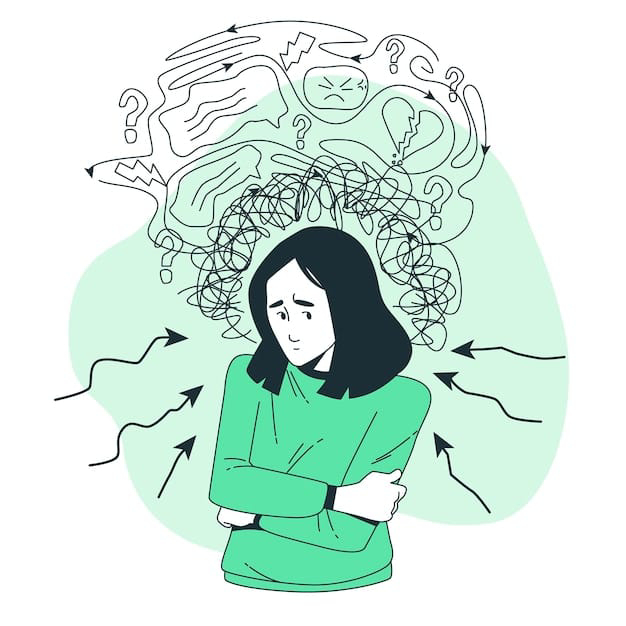
Hi all, today I would like to share about the interesting topic, namely "don't let fear define you", the main reason why I choose that topic because many people let their fear dominating their lives until they can't do something useful and meaningful, if we use another perception from psychological review: Fear is a natural emotional response to perceived danger or threats. It helps humans survive by triggering a "fight, flight, or freeze" reaction in the face of a dangerous situation. Fear arises from various factors:

1. Biological Response: The brain's amygdala plays a key role in detecting threats, activating the body's defense mechanisms such as an increased heart rate, rapid breathing, and heightened alertness.
2. Evolutionary Function: Fear evolved to protect us from harm by making us avoid dangerous situations, animals, or environments.
3. Personal Experiences: Past traumatic or negative experiences can condition a person to fear certain things. This can lead to phobias or anxiety disorders.
4. Learned Behavior: Fear can also be learned by observing others. If someone sees another person respond with fear to a certain stimulus, they might adopt that fear themselves.
5. Uncertainty or Lack of Control: People often fear situations where they feel uncertain or unable to control the outcome, such as the unknown, illness, or death.

Though fear is meant to protect us, it can sometimes become excessive or irrational, leading to anxiety or avoidance behaviors that negatively affect one’s life, Minimizing the negative side effects of fear involves both mental and physical strategies. Here are some effective ways to reduce the impact of fear:

1. Identify and Understand the Fear
Acknowledge your fear and understand what triggers it. Knowing the root cause helps in managing it better.
Distinguish between real and imagined fears—understanding whether the fear is based on a real threat or an exaggerated perception.

2. Practice Relaxation Techniques
Deep breathing exercises: Slow, deep breaths help calm the body's stress response.
Progressive muscle relaxation: Tensing and relaxing muscle groups can reduce physical tension caused by fear.
Meditation and mindfulness: These practices increase awareness and help you stay present, reducing fearful thoughts about the future or past.

3. Cognitive Behavioral Therapy (CBT)
Challenge negative thoughts: Replace fear-driven thoughts with more balanced and rational ones.
Gradual exposure therapy: Slowly confronting the fear in controlled steps can help desensitize the brain, reducing the intensity of the fear response over time.

4. Healthy Lifestyle Habits
Exercise: Physical activity can reduce stress hormones and increase mood-enhancing chemicals, like endorphins.
Balanced diet: Certain nutrients, like omega-3 fatty acids, magnesium, and B vitamins, can help regulate mood and reduce anxiety.
Adequate sleep: Rest is critical for emotional regulation and reducing anxiety.

5. Build Emotional Resilience
Positive self-talk: Encourage yourself with constructive thoughts, replacing "I can't" with "I can handle this."
If we develop coping skills: we can cultivate problem-solving skills to face fearful situations calmly and with confidence.

6. Seek Professional Help
For persistent or severe fears that impact daily functioning, talk therapy, counseling, or medication might be helpful.

7. Social Support
Talking about your fears with friends, family, or a support group can provide reassurance and help you gain new perspectives on handling them.

8. Exposure to Fearful Situations
Gradual, controlled exposure to what you fear can help desensitize the response over time. This can rewire your brain to recognize that the perceived threat isn’t as dangerous as it seems.

By combining these approaches, the negative effects of fear can be minimized, allowing individuals to live more balanced and less anxious lives.

What does it means to fear god

  Hi, today I would like to share about the interesting topic, namely "What does it means to fear god", the reason why I choose that topic because not everyone fears to God, if we research from psychological point of view, people don't fear God because they want to behave like a God, meaning, people will show their strength as if they predetermined everything they have experienced without communicating with something bigger than people's strength, the question is "why people should fear God if they already become God?", that's make a sense, God in human can become a popularity, reputation, material world, knowledge, experience, super connection with other people, etc.
"Fear of God" is a phrase often used in religious contexts to express deep reverence, respect, and awe for God. It doesn't necessarily mean being afraid of God in the same way one might fear danger, but rather having a profound awareness of God's power, holiness, and justice, which inspires humility and obedience, In many religious traditions, the "fear of God" is seen as a guiding principle that encourages people to live ethically, follow God's commandments, and be mindful of their actions. It reflects both respect for God's authority and recognition of human limitations.

Remember this note: not everyone fears God for several reasons, which can vary based on personal beliefs, upbringing, culture, and philosophical outlooks:

1. Different Beliefs: People come from diverse religious and spiritual backgrounds. Some follow religions where the concept of fearing God is central, while others may belong to belief systems that do not emphasize this idea or interpret it differently, For example, some people may see God as loving and compassionate rather than as a figure to be feared.
2. Atheism and Agnosticism: Some individuals do not believe in God (atheists) or are unsure about God's existence (agnostics). For these people, fearing God is not relevant because they do not recognize a divine being as part of their worldview.
3. Cultural Differences: In some cultures, the emphasis on fearing God is less prominent, and instead, the focus may be on personal spirituality, humanism, or different ethical principles that do not rely on a fear-based relationship with a deity.
4. Individual Interpretations: Even within religious traditions, people have varying interpretations of what it means to "fear God." Some may see it as respect or reverence, while others may not feel the need for fear if they view God as a purely loving figure.
5. Life Experiences: Personal experiences, whether positive or negative, shape how people relate to the concept of God. Some may feel disconnected or indifferent due to challenges, loss, or disillusionment, leading them to not feel fear or reverence toward God.

Ultimately, the idea of fearing God is deeply personal and varies widely based on individual, cultural, and philosophical factors, as long as we consider God resides in our ego appeal, afterwards, we will never feel God.