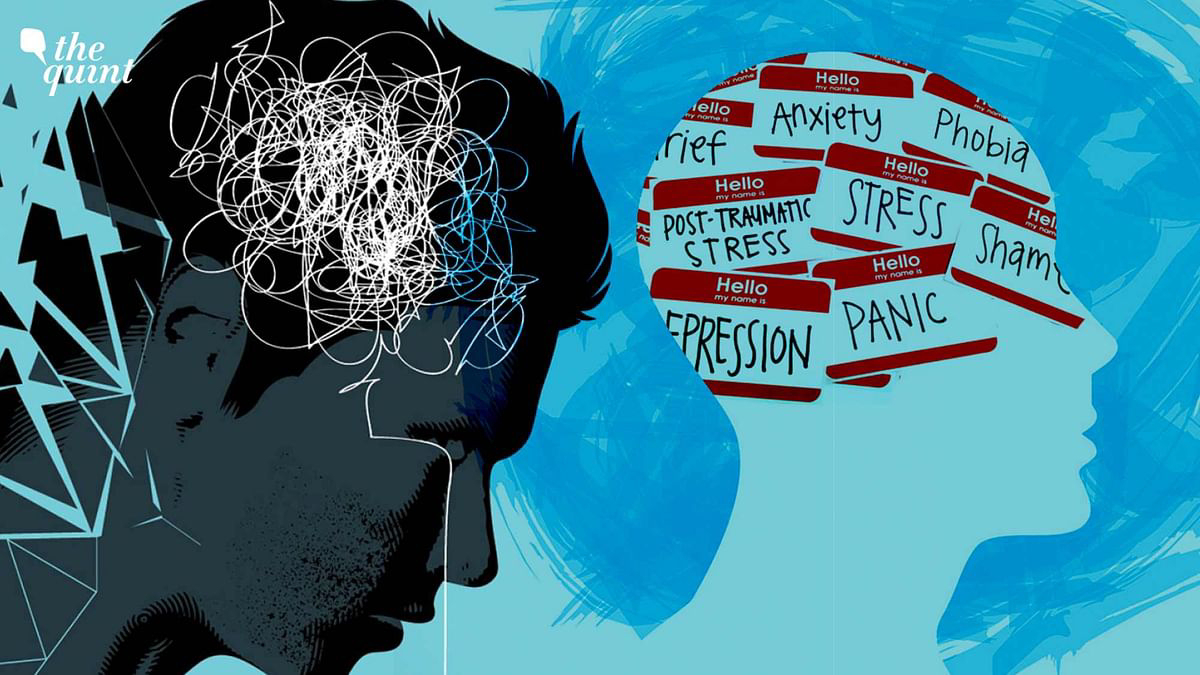
What is the best anxiety medication with less side effects

    Today I want to share an interesting topic, namely "what is the best anxiety medication with less side effects", The main reason why I choose this topic because many people want to take treatment for anxiety disorders through medication, based on my review, many people use medications for anxiety disorders for several reasons:
 1. Effectiveness: Medications are often effective in rapidly and significantly reducing anxiety symptoms.
 2. Medical Recommendations: Doctors often recommend medications as part of a comprehensive treatment plan.
 3. Convenience: Taking medication can be easier and more practical compared to other treatment methods.
 4. Symptom Severity: In some individuals, anxiety symptoms are so severe that they require medical intervention for initial stabilization.
 5. Lack of Alternatives: Some people may not have access or time for psychology-based therapies such as cognitive behavioral therapy (CBT).
 6. Positive Experiences: Some individuals have had positive experiences with drugs before, so they are more likely to use them again.

 However, it is important to remember that medication use should be under the supervision of a medical professional to manage potential side effects and dependency, there are types of drugs with high doses and some with low doses, Medications with lower side effects are often chosen for patients with anxiety disorders who are looking for a solution with minimal risks. Some examples of these drugs are:
 1. Buspar (Buspirone):
    - Usually has milder side effects and does not cause dependence.
 2. Lexapro (Escitalopram):
    - Included in the SSRI (Selective Serotonin Reuptake Inhibitors) antidepressant class and generally have a better side effect profile than some other antidepressants.
 3. Zoloft (Sertraline):
    - Also includes SSRIs and is usually well tolerated by many patients.
 4. Vistaril (Hydroxyzine):
    - Antihistamines that can be used to treat short-term anxiety with side effects that tend to be mild.
 5. Cipralex (Escitalopram):
    - Similar to Lexapro, known to have relatively low side effects.

 It is important to consult a doctor before starting treatment, as the effectiveness and tolerability of the drug may vary from one individual to another, hopefully this article can give you an idea how to.l improve your life area, good luck.

Youth awareness of mental health

   Today I would like to share about the topic, namely "Youth awareness of mental health", the reason I choose this topic because not many young people care about mental health awareness, If we pay attention, many young people are even victims due to their ignorance of the importance of mental health,  Educating young people to want to study mental health requires an approach that suits their interests and learning styles. Here are some effective strategies:
 1. Using social media and Technology: Young people tend to be active on social media and are interested in digital content. Create and share information about mental health in the form of videos, infographics, or engaging posts on platforms like Instagram, TikTok, and YouTube.
 2. Integration in School Curriculum: Encourage schools to include mental health in the curriculum. This can be through specific subjects or integration in other subjects such as biology or physical education.
 3. Workshops and Seminars: Organize workshops or seminars about mental health that are of interest to young people, by presenting relevant speakers who can serve as role models.
 4. Educative Games: Develop or use educational games and apps designed to teach mental health concepts. Interactive games can make learning more fun.
 5. Peer Educator Training: Train several young people to become peer educators who can convey information and discuss mental health topics with their friends.
 6. Extracurricular Activities: Encourage participation in clubs or extracurricular activities that focus on mental health, such as discussion clubs, support groups, or arts and sports activities that promote emotional well-being.
 7. Invite Inspirational Figures: Invite figures respected by young people, such as influencers, athletes or musicians, who openly talk about their mental health and the importance of maintaining mental well-being.
 8. Approach Through Hobbies and Interests: Link mental health to their hobbies or interests. For example, if they like music, show them how music can be used as therapy. If they like sports, explain the benefits of exercise for mental health.
 9. Open and Safe Discussions: Create a space where young people feel safe and heard when talking about their feelings. Encourage open discussion about emotions and mental health without stigma or judgment.
 10. Relevant Educational Materials: Use educational materials that are relevant and interesting, such as films, books, or articles that touch on mental health issues that are close to their lives.
 11. Give Real Examples: Show how good mental health practices are applied in everyday life. Parents, teachers, and mentors who implement these practices can serve as role models.
 12. Create a Mentorship Program: Develop a mentorship program where young people can learn from older mentors about the importance of mental health and how to maintain it.

 With an inclusive and engaging approach, young people will be more motivated to learn and understand the importance of mental health, hopefully this article can give you an idea how to improve your principle, good luck.

Why is awareness of mental health important

  Today I would like to share about the interesting topic, namely "Why is awareness of mental health important", the main reason why I choose this topic is because many people think that mental health is a myth, If we look at the fast-paced world situation, many of us are caught up in the hustle and bustle of the world to the point of forgetting peace of mind, studying mental health is important for several key reasons:
 1. Improves Personal Well-Being: Understanding mental health helps individuals manage stress, emotions, and relationships, which contributes to overall happiness and well-being.
 2. Prevent Mental Health Problems: Knowledge about mental health allows early detection of symptoms of mental disorders, which can prevent problems from becoming more serious.
 3. Reduces Stigma: Education about mental health helps reduce stigma and discrimination against people with mental disorders, so they are more likely to seek help.
 4. Supporting Others: With knowledge about mental health, we can be more effective in providing support to friends, family or coworkers who may be experiencing problems.
 5. Increases Productivity: Good mental health contributes to increased productivity at work or school, as individuals are better able to focus, concentrate and work effectively.
 6. Awareness of the Importance of Life Balance: Understanding mental health helps individuals recognize the importance of balance between work, rest and recreation to maintain mental health.

 By studying and understanding mental health, we can create a healthier and more supportive environment for ourselves and others, if we love the people around us, at least we can give them gifts in the form of knowledge, one of which is knowledge about mental health so that they are aware that mental health is important, the importance of mental health science can be done in various ways:
 1. Education and Information: Provide accurate and easy to understand information about mental health through articles, books, seminars or discussions.  Make sure the source of the information is trustworthy.
 2. Personal Example: Be a good example by implementing positive mental health practices in everyday life.  This can inspire others to do the same.
 3. Campaigns and Outreach: Get involved in campaigns or programs aimed at raising awareness about mental health, such as World Mental Health Day or community events.
 4. Open Discussion: Encourage others to openly discuss mental health topics.  Create a safe, non-judgmental environment so they feel comfortable sharing.
 5. Using social media: Take advantage of social media to spread information and share personal experiences about the importance of mental health.
 6. Training and Workshops: Organize or take part in training and workshops on mental health that can increase understanding and skills in managing mental health.
 7. Collaborate with Experts: Invite a mental health professional, such as a psychologist or psychiatrist, to give a presentation or consultation.  Expert opinions can provide more legitimacy and trust.
 8. Testimonies and Real Stories: Share real stories or testimonials from people who have experienced and overcome mental health problems.  This story can have a strong emotional impact and be more convincing.
 9. Supportive Environment: Create a supportive environment for mental health in the workplace, school, or community.  For example, by providing a rest room, counseling, or relaxation activities.
 10. Personal Approach: If someone close to you doesn't seem to care about their mental health, talk to them personally and show that you care.  Ask how he feels and offer help.

 With a thoughtful and empathetic approach, we can help others realize the importance of mental health science and encourage them to take positive steps to maintain their mental well-being, hopefully this article can give you an idea how to improve your life, good luck.

Raise awareness of mental health

   Today I want to share an interesting topic, namely "Raise awareness of mental health", The reason I chose this topic is because there are many things that people don't know about the importance of mental health, raising mental health is important because it can give many impacts, such as:
1. Overall Well-being: Good mental health is crucial for overall health and quality of life.
2. Productivity: It enhances productivity and performance in personal and professional life.
3. Relationships: Healthy mental states foster better relationships with family, friends, and colleagues.
4. Physical Health: Poor mental health can negatively impact physical health, leading to conditions like heart disease and weakened immune system.
5. Prevention: Early identification and management of mental health issues can prevent more severe problems and improve long-term outcomes.
6. Reducing Stigma: Raising awareness helps reduce stigma, encouraging more people to seek help.

Learning about mental health involves understanding some of the following key aspects:
 1. Mental Health Basics: Understand what mental health is and its importance to overall well-being.
 2. Common Mental Health Disorders: Learn about conditions such as depression, anxiety, bipolar, and schizophrenia, including their symptoms and treatments.
 3. Signs and Symptoms: Recognize early signs of mental health problems in yourself and others.
 4. Stigma and Misconceptions: Understanding the stigma associated with mental health and how to overcome it.
 5. Management Strategies: Techniques for managing stress, anxiety, and other mental health problems, such as therapy, meditation, and a healthy lifestyle.
 6. Resources and Support: Know where to find help and support, such as professional mental health services, support groups, and online resources.
 7. Prevention and Intervention: How to prevent mental health problems and early intervention to reduce negative impacts.

Improving mental health involves a variety of methods that can help a person feel better emotionally and psychologically. Here are some effective methods:
 1. Exercise Regularly: Physical activity can increase the production of endorphins, hormones that can improve mood.
 2. Eat Healthy Foods: A balanced diet can help maintain brain health and positively influence mood.
 3. Enough Sleep: Adequate and quality sleep is important for restoring energy and maintaining mental health.
 4. Practice Mindfulness and Meditation: Relaxation techniques such as mindfulness and meditation can help reduce stress and anxiety.
 5. Maintain Social Connections: Having positive, supportive relationships with family and friends can provide important emotional support.
 6. Manage Stress Well: Find ways to manage stress, such as through exercise, meditation, or an enjoyable hobby.
 7. Set Realistic Goals: Setting and achieving small goals can provide a sense of accomplishment and increase self-confidence.
 8. Seek Professional Help: If necessary, do not hesitate to seek help from a psychologist for advice 
 9. Give Time to Yourself: Take time to do things you enjoy and bring you happiness.
 10. Don't Isolate Yourself: Getting involved in social and community activities can help prevent feelings of loneliness.

 These methods can be tailored to individual needs and can be practiced consistently for optimal results, I think the explanation is enough, hopefully this article can give you a wisdom and inspiration, good luck.

Treatment for anxiety disorders

    Today I want to share an interesting topic, namely "treatment for anxiety disorders", The main reason why I choose this topic because Many people experience anxiety disorders from young to old age,  based on what I observed, many people suffer from anxiety disorders because they lack the power of faith in their God, lack of self-love and lack of caring to others, besides that, people are too obsessed with the end result till they can't accept what reality does something for human being, Anxiety disorders are influenced by a combination of genetic, environmental, psychological, and developmental factors. Here are some key factors that can contribute to the development of anxiety disorders:
1. Genetics: Family history of anxiety disorders can increase the likelihood of developing one. Genetic predisposition plays a significant role.
2. Brain Chemistry: Imbalances in neurotransmitters, such as serotonin, norepinephrine, and gamma-aminobutyric acid (GABA), can contribute to anxiety disorders.
3. Personality: Certain personality traits, such as being more sensitive or having a tendency to worry, can increase vulnerability to anxiety disorders.
4. Life Events: Stressful or traumatic events, such as the loss of a loved one, abuse, or prolonged illness, can trigger anxiety disorders.
5. Medical Conditions: Chronic medical conditions or serious illnesses can lead to anxiety, especially if the illness involves significant pain or disability.
6. Substance Use: The use or withdrawal from drugs, alcohol, and certain medications can cause or exacerbate anxiety symptoms.
7. Environmental Factors: Living in a high-stress environment or experiencing ongoing stressors, such as financial difficulties or relationship problems, can contribute to anxiety disorders.
8. Childhood Experiences: Childhood trauma, neglect, or witnessing violence can increase the risk of developing anxiety disorders later in life.

Understanding these factors can help in identifying and treating anxiety disorders effectively, treating anxiety disorders typically involve a combination of therapies, medications, and lifestyle changes. Here are some common approaches:
1. Cognitive-Behavioral Therapy (CBT): CBT is highly effective for anxiety disorders. It helps individuals identify and change negative thought patterns and behaviors that contribute to their anxiety.
2. Exposure Therapy: This type of therapy involves gradual exposure to the feared object or situation to help reduce the fear response over time.
3. Medication: Various medications can help manage anxiety symptoms, including:
   - Selective Serotonin Reuptake Inhibitors (SSRIs): Commonly prescribed for anxiety and depression.
   - Serotonin-Norepinephrine Reuptake Inhibitors (SNRIs): Another class of antidepressants effective for anxiety.
   - Benzodiazepines: These can be effective for short-term relief of severe anxiety symptoms but are not recommended for long-term use due to the risk of dependence.
   - Beta-Blockers: Often used to manage physical symptoms of anxiety, such as rapid heartbeat.
4. Lifestyle Changes:
   - Regular Exercise: Physical activity can reduce anxiety by releasing endorphins and improving overall well-being.
   - Healthy Diet: Eating a balanced diet can help stabilize mood and energy levels.
   - Adequate Sleep: Ensuring enough quality sleep is crucial for mental health.
5. Stress Management Techniques:
   - Mindfulness and Meditation: These practices can help individuals stay grounded and reduce overall stress.
   - Breathing Exercises: Techniques like deep breathing or progressive muscle relaxation can quickly reduce anxiety symptoms.
6. Support Groups: Joining a support group can provide a sense of community and shared experience, which can be comforting and helpful in managing anxiety.
7. Avoiding Caffeine and Alcohol: These substances can increase anxiety symptoms and should be limited or avoided.
8. Professional Help: Consulting with a mental health professional, such as a psychologist, psychiatrist, or counselor, can provide tailored treatment plans and ongoing support.

Combining these approaches based on individual needs often yields the best results in managing and reducing anxiety, hopefully this article can give you a wisdom and inspiration, good luck.