How does social interaction affect mental health


  Hi, good readers, howdy? Today I would like to share about the interesting topic, namely "How does social interaction affect mental health", 
Social interactions have a huge impact on mental health. Here are some ways social interactions can affect mental health:
 1. Emotional Support: Interacting with friends, family, and the community can provide important emotional support, helping a person cope with life's stress and difficulties.
 2. Sense of Connectedness: Feeling connected to others can increase feelings of well-being and happiness and reduce feelings of loneliness and isolation.
 3. Increased Self-Esteem: Positive social interactions can increase self-esteem and provide a higher sense of self-worth.
 4. Stress Reduction: Socialization can help reduce levels of cortisol, the stress hormone, in the body. Talking to other people can provide a distraction from problems and provide a new perspective.
 5. Social Skills Development: Regular interactions help in developing and sharpening social skills, which are essential for effective communication and healthy interpersonal relationships.
 6. Practical Support: A strong social network can provide practical help, such as financial assistance, advice, or physical assistance in difficult situations.
 7. Promotion of Healthy Habits: Friends and family often influence a person's behavior and habits. A social environment that supports a healthy lifestyle can promote physical activity, healthy eating patterns, and good sleep habits.

 However, social interactions can also have a negative impact if the relationship is toxic or full of conflict:
 1. Stress and Anxiety: Interpersonal conflict or poor relationships can increase stress and anxiety.
 2. Depression: Lack of social support or experiencing social rejection can increase the risk of depression.
 3. Destructive behavior: A negative social environment can encourage destructive behavior such as substance abuse or criminal behavior.
 4. Social Isolation: Lack of social interaction can lead to isolation, which is linked to various mental health problems such as depression and anxiety.

 Therefore, it is important to build and maintain healthy and positive social relationships to support good mental health, maintaining good relations with the community requires consistent effort and good intention. Here are some ways to do it:
 1. Good Communication: Always try to communicate clearly and politely. Listen to others attentively and respect their opinions.
 2. Mutual Respect: Respect differences and appreciate diversity in society. Avoid prejudice and discriminatory attitudes.
 3. Active Participation: Get involved in community activities such as community meetings, social events, or mutual cooperation activities. Active participation shows your commitment to the community.
 4. Show Empathy and Concern: Show concern for people's needs and problems. Help those in need and show empathy in everyday interactions.
 5. Keep the Environment Clean and Safe: Contribute to keeping the environment where you live clean and safe. This shows that you care about the welfare of society.
 6. Build a Social Network: Build good relationships with neighbors and other community members. Building a strong social network can provide emotional and practical support.
 7. Share Information and Knowledge: If you have useful information or knowledge, share it with the community. This could be health tips, information about events, or another practical knowledge.
 8. Keep Your Promises: If you promise to do something, make sure to keep it. These builds trust and shows that you are reliable.
 9. Be Friendly and Open: Be friendly and open towards others. Greet neighbors with a smile and be ready to help them if needed.
 10. Respond to Complaints Positively: If there are complaints or criticism from the public, respond with a positive and constructive attitude. Try to find solutions together rather than responding defensively.
 11. Promote Positive Activities: Encourage and promote positive activities in the community, such as sporting events, the arts, or other social activities.
 12. Use social media Wisely: If you are active on social media, use these platforms to spread positive information and maintain good communication with other members of the community.

 By following these steps, you can help build and maintain good, harmonious relationships with the people around you, hopefully this article can help you how to maintain your mental health during making social interaction, good luck.
Social anxiety relationships

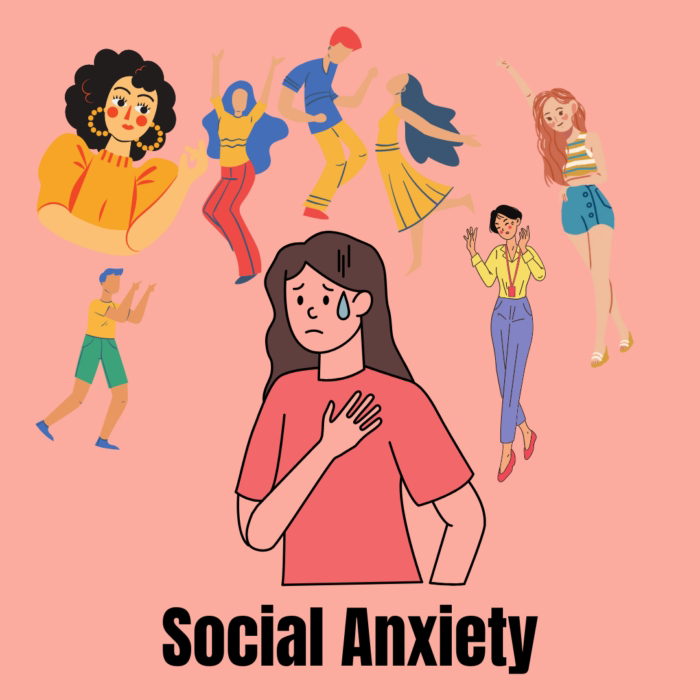
   Hi, good readers, how are you? Today I would like to share about the interesting topic, namely "Social anxiety relationships", The main reason why I chose this topic is because there are so many people who suffer from anxiety when they are in a relationship,  From a psychological point of view, someone who experiences anxiety in a relationship because he tends to compare between his reality and his idealism, social anxiety relationships refer to interpersonal relationships that are affected by social anxiety. Social anxiety is excessive fear or anxiety about social situations, especially those involving interactions with other people. People with social anxiety often fear negative judgment, embarrassment, or awkwardness in social interactions, In the context of relationships, social anxiety can affect a person's ability to form and maintain healthy relationships. For example, someone with social anxiety may find it difficult to start conversations, make friends, or even have romantic relationships. They may also tend to avoid social situations, which can lead to isolation and difficulty building a strong social network.
Dealing with social anxiety in relationships can be challenging, but there are some strategies that can help:
 1. Cognitive-Behavioral Therapy (CBT): CBT is an effective therapeutic approach for treating social anxiety. This therapy helps identify and change negative thought patterns and behaviors that cause anxiety.
 2. Exposure Therapy: This therapy involves gradually exposing oneself to anxiety-provoking social situations. With repeated exposure, anxiety may decrease over time.
 3. Relaxation Exercises: Techniques such as meditation, deep breathing, and yoga can help calm the mind and body, thereby reducing anxiety.
 4. Education and Understanding: Understanding that social anxiety is a common and treatable condition can provide a positive perspective. Reading books or articles about social anxiety can also be helpful.
 5. Social Support: Seeking support from friends, family, or a support group can help reduce feelings of loneliness and provide emotional encouragement.
 6. Open Communication: Talking to your partner or friend about your anxiety can help them understand and provide necessary support.
 7. Social Skills Development: Taking courses or workshops to improve social skills can help increase confidence in social interactions.
 8. Limit Negative Thinking: Trying not to think too much about other people's judgments and focusing on the present moment can help reduce anxiety.
 9. Medication: In some cases, a doctor may prescribe medication to help reduce anxiety symptoms. The drug should be used under medical supervision.
 10. Professional Consultation: Meeting with a psychologist or psychiatrist can provide professional guidance and support in dealing with social anxiety.

 With a combination of these strategies, a person can reduce social anxiety and build healthier, more fulfilling relationships, hopefully this article can help you how to maintain your social relationship, good luck.

Separation anxiety relationships

Hi, good readers, how are you? Today I would like to share about the interesting topic, namely "Separation anxiety relationships', The main reason why I choose this topic because many couples regret it when they don't know what makes them anxious when they get along together, besides that, they don't know how to defend relationship when they feel anxious, based on some research, separation anxiety in relationships can be caused by various factors, including:
1. Insecurity and Low Self-Esteem: If one partner lacks confidence in themselves or the relationship, they may feel anxious when their partner is not around.
2. Past Traumas: Previous experiences of abandonment or loss, such as divorce, breakups, or the death of a loved one, can contribute to anxiety about separation.
3. Attachment Styles: People with an anxious attachment style often fear being left alone and may experience higher levels of anxiety when separated from their partner.
4. Dependency: Over-reliance on a partner for emotional support, validation, or identity can lead to anxiety when that support is unavailable.
5. Trust Issues: A lack of trust in the partner or the relationship can cause anxiety about what might happen when they are apart.
6. Communication Issues: Poor communication skills or unresolved conflicts can lead to uncertainty and anxiety about the state of the relationship.
7. Life Changes: Major life changes, such as moving, changing jobs, or having children, can increase stress and anxiety, potentially affecting the relationship.

Addressing these underlying issues through open communication, therapy, and building self-confidence can help reduce separation anxiety in relationships, overcoming worry about your partner due to fear of separation can be done in the following ways:
 1. Open Communication: Talk openly with your partner about your feelings and concerns. Honest and open communication can help build understanding and trust.
 2. Build Trust: Try to strengthen trust in the relationship by demonstrating consistency, honesty, and openness.
 3. Develop Independence: Try to develop hobbies or activities that you can do alone. This can help you feel more independent and less emotionally dependent on your partner.
 4. Manage Stress: Find ways to manage stress and anxiety, such as exercising, meditating, or doing enjoyable activities.
 5. Understand and Manage Emotions: Learn to recognize and manage your own emotions. Psychological books or counseling can help in understanding emotions and provide strategies for dealing with them.
 6. Therapy or Counselling: If the worry and fear are very disturbing, consider seeking help from a therapist or counselor who can help you overcome these problems.
 7. Improve Communication Skills: Learning how to communicate effectively can help overcome many problems in relationships. This includes active listening and expressing feelings in a healthy way.

 By addressing the root causes of these worries and fears, you can create healthier and more stable relationships, hopefully this article can help you how to maintain your relationship, good luck.